
The evolution of refractory materials has markedly influenced industrial processes. This article delves into the advantages of new refractory materials over traditional options, highlighting their enhanced characteristics, which are critical in various applications.
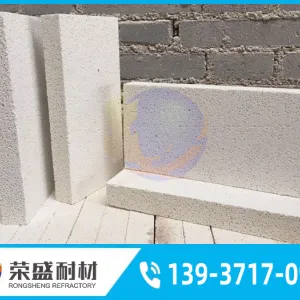
New refractory materials demonstrate significantly improved heat resistance compared to their traditional counterparts. For instance, while conventional materials may withstand temperatures up to 1500°C, innovative options can endure operations exceeding 1700°C, thus enhancing overall operational efficiency.
.jpg)
Durability is a key factor in material selection. New refractory materials, such as Chrom corundum, provide resistance to wear and corrosion, which leads to longer service life and reduced maintenance costs. Recent studies show that these materials can last up to 25% longer than traditional refractor options.
.jpg)
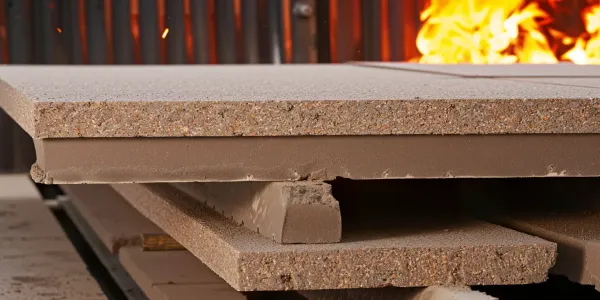
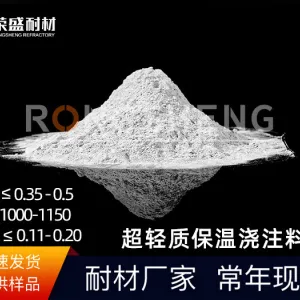
In many industrial applications, performance is paramount. The new generation of refractory materials excel in thermal shock resistance, which is vital for operations involving sudden temperature fluctuations. For example, refractory spray castables provide excellent performance under such conditions, thereby ensuring safety and efficiency in industrial processes.
.jpg)
In conclusion, transitioning to new refractory materials presents significant advantages over traditional options, including enhanced heat resistance, durability, and overall performance in diverse industrial applications. Businesses aiming to improve operational efficiency and reduce costs should consider embracing these advancements in material technology.
.jpg?x-oss-process=image/resize,h_300,m_lfit/format,webp)
 364
|
364
|
 Fused Mullite Bricks
Refractory Materials
Industrial Solutions
High-Performance Bricks
Fused Mullite Bricks
Refractory Materials
Industrial Solutions
High-Performance Bricks
 439
|
high-alumina bricks
softening temperature
refractory materials
thermal resistance
439
|
high-alumina bricks
softening temperature
refractory materials
thermal resistance
.jpg?x-oss-process=image/resize,h_300,m_lfit/format,webp) 52
|
High-Performance Coatings
Furnace Coatings
Durability
Efficiency
Industrial Coatings
52
|
High-Performance Coatings
Furnace Coatings
Durability
Efficiency
Industrial Coatings
.jpg?x-oss-process=image/resize,h_300,m_lfit/format,webp) 291
|
Refractory materials
Modifier
Green facilities
291
|
Refractory materials
Modifier
Green facilities
 65
|
Electric furnace refractory
Industrial Materials
Refractory Innovation
65
|
Electric furnace refractory
Industrial Materials
Refractory Innovation
.jpg?x-oss-process=image/resize,m_fill,h_100,w_100/format,webp)
.jpg?x-oss-process=image/resize,m_fill,h_100,w_100/format,webp)





.jpg?x-oss-process=image/resize,m_fill,h_100,w_100/format,webp)

.jpg?x-oss-process=image/resize,m_fill,h_100,w_100/format,webp)
.jpg?x-oss-process=image/resize,m_fill,h_100,w_100/format,webp)