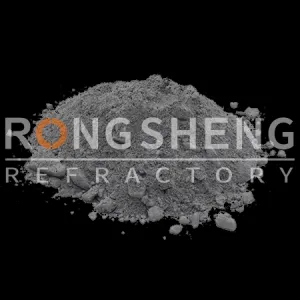
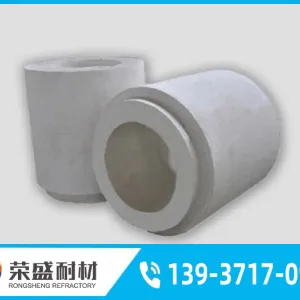
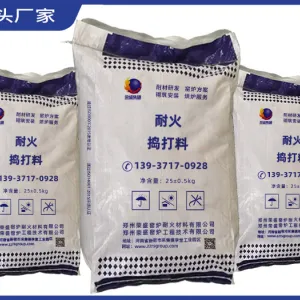
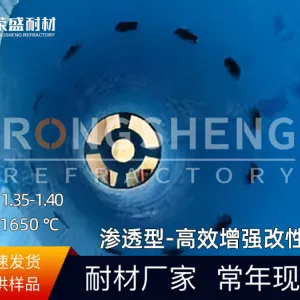
With the acceleration of industrialization, the demand for refractory materials is increasing day by day. Especially in high-temperature kilns, the performance of refractory materials directly affects production efficiency and energy consumption. Therefore, this article will focus on the practical application effect of high-efficiency penetrating reinforcing modifiers in high-temperature kilns and its specific contribution to improving the performance of refractory fiber products.
The high-efficiency penetrating reinforcing modifier has good permeability and bonding ability, and can effectively enhance the structural stability of refractory fiber materials in high temperature environments. In addition, it shows significant advantages in improving the thermal shock resistance and chemical attack resistance of refractory fibers.
By analyzing application cases in high-temperature kilns, we found that refractory materials using high-efficiency enhanced modifiers have a longer service life and reduce the failure rate due to material aging, thus significantly improving the continuity and quality of production. Security.
In a high-temperature kiln in a ceramics manufacturing plant, the use of modifiers extended the service life of refractory fibers by approximately 30%, while reducing energy consumption during the production process by 20%. This achievement is due to the excellent performance of high-efficiency reinforcement modifiers in high-temperature kilns.
Through the dual improvement of energy saving and material performance, we not only increase the added value of products, but also lay the foundation for the company to achieve the goal of green development. This is not only a breakthrough in technology, but also a new direction for industry development.
The application of high-efficiency penetrating enhanced modifiers in high-temperature kilns has brought new opportunities and challenges to the production of refractory fiber products. With the continuous advancement of technology, we will continue to pay attention to the research and development of such materials in the future, hoping to provide customers with more efficient and energy-saving solutions.

 67
|
67
|
 Refractory Brick Market
market trend
Industry Development
Refractory Brick Market
market trend
Industry Development
 368
|
Blast furnace spray coating process
Refractory manufacturing
Intelligent production line
453
|
Blast furnace spray coating process
Refractory manufacturing
Intelligent production line
368
|
Blast furnace spray coating process
Refractory manufacturing
Intelligent production line
453
|
Blast furnace spray coating process
Refractory manufacturing
Intelligent production line
.jpg?x-oss-process=image/resize,m_fill,h_100,w_100/format,webp)