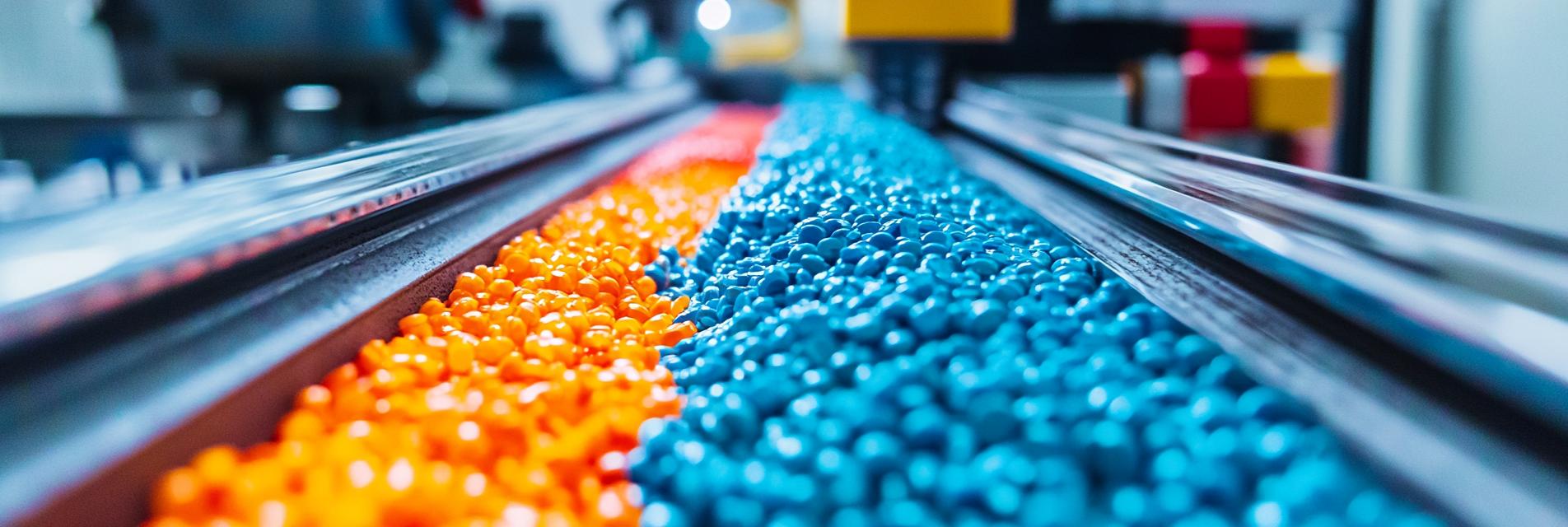
Wear-resistant plastics are increasingly gaining prominence in various industrial applications due to their unique properties, such as high durability and corrosion resistance. This article delves into the applications of these materials in the European and American markets, showcasing their advantages and contributions to material innovation.
The application of wear-resistant plastics spans multiple industries. Some of the key sectors include:
In the automotive industry, wear-resistant plastics are utilized in various components, such as bearings, gears, and housings. These materials enhance the lifespan of parts under challenging operating conditions, providing significant cost savings in maintenance and replacement.
In manufacturing, wear-resistant plastics are essential for conveyor systems, tooling, and machinery components where friction and wear are significant concerns. Their use leads to increased efficiency and reduced downtime in production processes.
The mining industry benefits from wear-resistant plastics in equipment that operates under extreme conditions. These materials help reduce maintenance intervals and improve operational reliability, thus enhancing productivity.
The advantages offered by wear-resistant plastics include:
As industries continue to embrace material innovation, the ongoing development of advanced wear-resistant plastics is vital. Research indicates that the global wear-resistant plastics market is expected to grow significantly, driven by rising demand for lightweight and high-performance materials.
In conclusion, wear-resistant plastics play a critical role in enhancing the performance and reliability of various industrial applications in the European and American markets. Their continuous evolution is set to pave the way for more robust and efficient solutions across numerous sectors, ensuring they remain at the forefront of material innovation.
 308
|
308
|
 refractory shotcrete
construction equipment
efficient application
refractory shotcrete
construction equipment
efficient application
 380
|
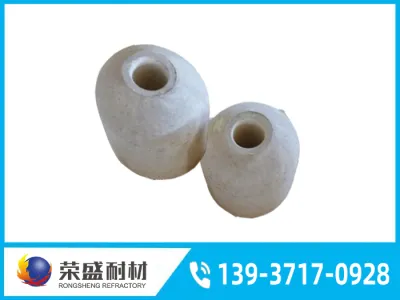
Water Mouth Bricks
Refractory Materials
High-Temperature Applications
Metallurgical Industry
Steel Smelting
Durability
380
|
Water Mouth Bricks
Refractory Materials
High-Temperature Applications
Metallurgical Industry
Steel Smelting
Durability
 385
|
graphite
refractory materials
high-temperature applications
385
|
graphite
refractory materials
high-temperature applications
 413
|
non-stick aluminum casting materials
high-performance refractory materials
413
|
non-stick aluminum casting materials
high-performance refractory materials