
In the rapidly evolving field of refractory materials, partnerships among academia, industry, and research institutions play a critical role in enhancing material performance. I would like to share some compelling case studies that highlight how collaborative research can lead to innovative solutions to common industry challenges.
Refractory materials are subjected to extreme conditions such as high temperatures and abrasive environments. Industries such as steel manufacturing and cement production often face significant issues with wear and tear, leading to increased downtime and maintenance costs.
Through strategic collaborations, we have seen advancements in refractory formulations that demonstrate enhanced durability. For instance, a partnership between a leading university and a major refractory manufacturer led to the development of a novel aluminum oxide-based refractory. This collaboration involved intensive material testing and optimization through shared resources.
.jpg)
The result was a significant reduction in thermal shock failure rates, thus prolonging the lifespan of the refractory materials used in critical applications. This case underscores the value of research collaboration in leveraging expertise and innovation to overcome traditional material limitations.
The implementation of these advanced materials reflects a paradigm shift in how industries approach refractory applications. Companies that engage in such partnerships are not only improving their material performance but are also enhancing their overall operational efficiency and reducing costs.
As we advance, the continued collaboration between researchers and industry stakeholders will be crucial for developing new refractory solutions that meet the demands of modern industrial applications. If your organization is interested in exploring potential research collaborations, please contact us to discuss how we can work together to drive innovation in refractory materials.
.jpg?x-oss-process=image/resize,h_300,m_lfit/format,webp)
 150
|
150
|
 energy efficiency
advanced insulation materials
high-temperature applications
energy efficiency
advanced insulation materials
high-temperature applications
 150
|
heat-resistant coatings
advanced coating technology
150
|
heat-resistant coatings
advanced coating technology
.jpg?x-oss-process=image/resize,h_300,m_lfit/format,webp) 100
|
refractory materials
innovation in materials science
industrial applications
high-temperature resistance
100
|
refractory materials
innovation in materials science
industrial applications
high-temperature resistance
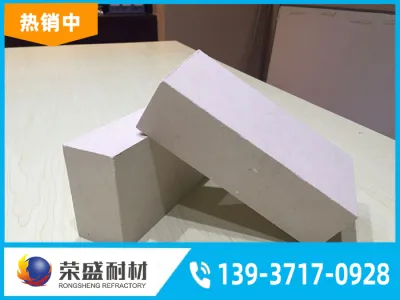 109
|
Refractory Bricks
High performance bricks
Industrial Refractory Materials
109
|
Refractory Bricks
High performance bricks
Industrial Refractory Materials
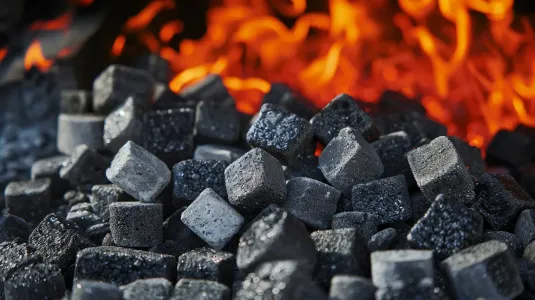 208
|
high-temperature furnace linings
refractory materials
industrial furnace insulation
208
|
high-temperature furnace linings
refractory materials
industrial furnace insulation








.jpg?x-oss-process=image/resize,m_fill,h_100,w_100/format,webp)