
In the industrial sector, high-temperature processes present unique challenges. The need for materials that can withstand extreme temperatures without compromising performance is critical. Traditional materials often fall short, leading to downtime and increased maintenance costs. This is where casting refractories come into play.
.jpg)
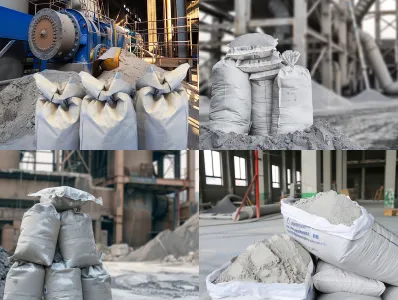
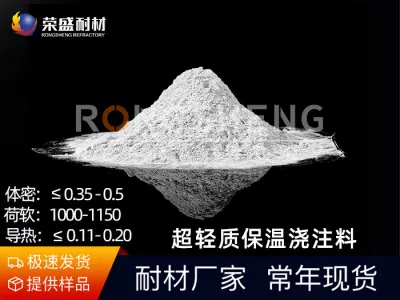
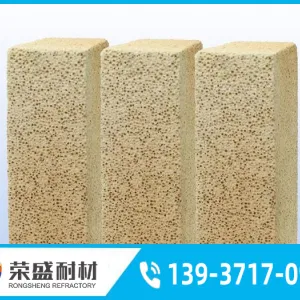
Casting refractories are specially formulated materials designed to handle extreme heat. Their composition allows them to maintain structural integrity while providing superior resistance to thermal shock and chemical attack. This makes them ideal for a variety of industrial applications, including steel manufacturing, petrochemical processing, and many more.
1. Enhanced Durability: These materials significantly prolong the lifespan of equipment in high-temperature environments. 2. Cost Efficiency: Reducing frequency of repairs and replacements can save companies substantial amounts of money. 3. Improved Safety: Using reliable refractories minimizes the risk of material failure, leading to safer operations.
From furnaces to reactors, casting refractories find applications in diverse fields. Their versatility allows industries to enhance operational efficiency while ensuring compliance with safety standards. With proper selection and application, businesses can achieve significant cost benefits.
When choosing casting refractories, consider factors such as temperature resistance, chemical compatibility, and application method. Partnering with industry experts can help in selecting the right products tailored to specific operational needs.
In conclusion, investing in casting refractories is crucial for any industry involved in high-temperature processes. These materials not only improve operational efficiency but also contribute to overall safety and productivity.
 48
|
48
|
 chemical pipeline optimization
wear resistance
chemical engineering
chemical pipeline optimization
wear resistance
chemical engineering
 405
|
industry trends
energy-saving materials
environmentally friendly materials
405
|
industry trends
energy-saving materials
environmentally friendly materials
 490
|
refractory materials
global market
policy changes
industry impact
490
|
refractory materials
global market
policy changes
industry impact
 275
|
Eco-friendly materials
Economic benefits
Aluminum smelting
275
|
Eco-friendly materials
Economic benefits
Aluminum smelting
.jpg?x-oss-process=image/resize,h_300,m_lfit/format,webp) 413
|
Silicon Carbide
Eco-friendly materials
Sustainability
Green technology
Industrial applications
413
|
Silicon Carbide
Eco-friendly materials
Sustainability
Green technology
Industrial applications

.jpg?x-oss-process=image/resize,m_fill,h_100,w_100/format,webp)







.jpg?x-oss-process=image/resize,m_fill,h_100,w_100/format,webp)