In today’s industrial landscape, the efficiency of furnace operations is crucial. As a fervent advocate of energy conservation, I believe that selecting the right insulation materials not only enhances performance but also significantly reduces operational costs. But what exactly are the options available for furnace insulation?

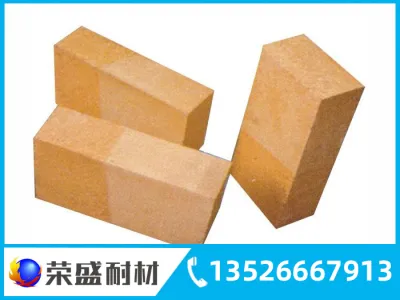
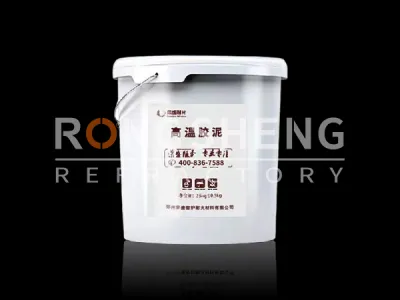
Refractory materials play a pivotal role in high-temperature environments. They are engineered to withstand extreme conditions without compromising their structural integrity. Common types include firebricks, insulating castables, and ceramic fibers. Each type serves distinct purposes and can greatly influence the thermal efficiency of your operations.
However, the selection process is not without its challenges. Many businesses struggle to find a balance between cost and performance. Additionally, improper installation of insulation materials can lead to significant energy losses and costly downtime.
To mitigate these challenges, it's essential to conduct thorough market research and engage with industry experts. By identifying specific operational needs, one can select the appropriate insulation that aligns with budgetary constraints while maximizing thermal efficiency.
In summary, the right furnace insulation materials can enhance energy efficiency and reduce overall costs. As someone who is passionate about fostering sustainable practices within our industry, I encourage businesses to invest thoughtfully in these materials. It’s not merely about choosing a product; it's about embracing a sustainable future.
.jpg?x-oss-process=image/resize,h_300,m_lfit/format,webp)
 365
|
365
|
 high-alumina insulating bricks
energy-saving heat processing
industrial thermal equipment
high-alumina insulating bricks
energy-saving heat processing
industrial thermal equipment
 399
|
magnesia-alumina brick
refractory materials
innovation
market trends
399
|
magnesia-alumina brick
refractory materials
innovation
market trends
.jpg?x-oss-process=image/resize,h_300,m_lfit/format,webp) 134
|
dough mixing
dough preparation
culinary techniques
baking essentials
kitchen tools
134
|
dough mixing
dough preparation
culinary techniques
baking essentials
kitchen tools
 320
|
refractory materials
steel industry
high-temperature resistance
320
|
refractory materials
steel industry
high-temperature resistance







.jpg?x-oss-process=image/resize,h_300,m_lfit/format,webp)