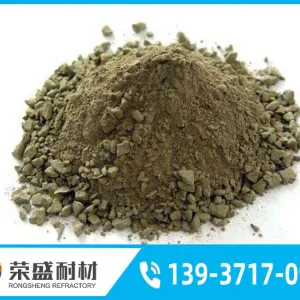
Converter repair materials are essential for maintaining the structural integrity of converter linings. These materials are primarily composed of magnesia sand, binders, plasticizers, and a small amount of water. The effectiveness of repair techniques plays a critical role in minimizing downtime and enhancing productivity in manufacturing processes.
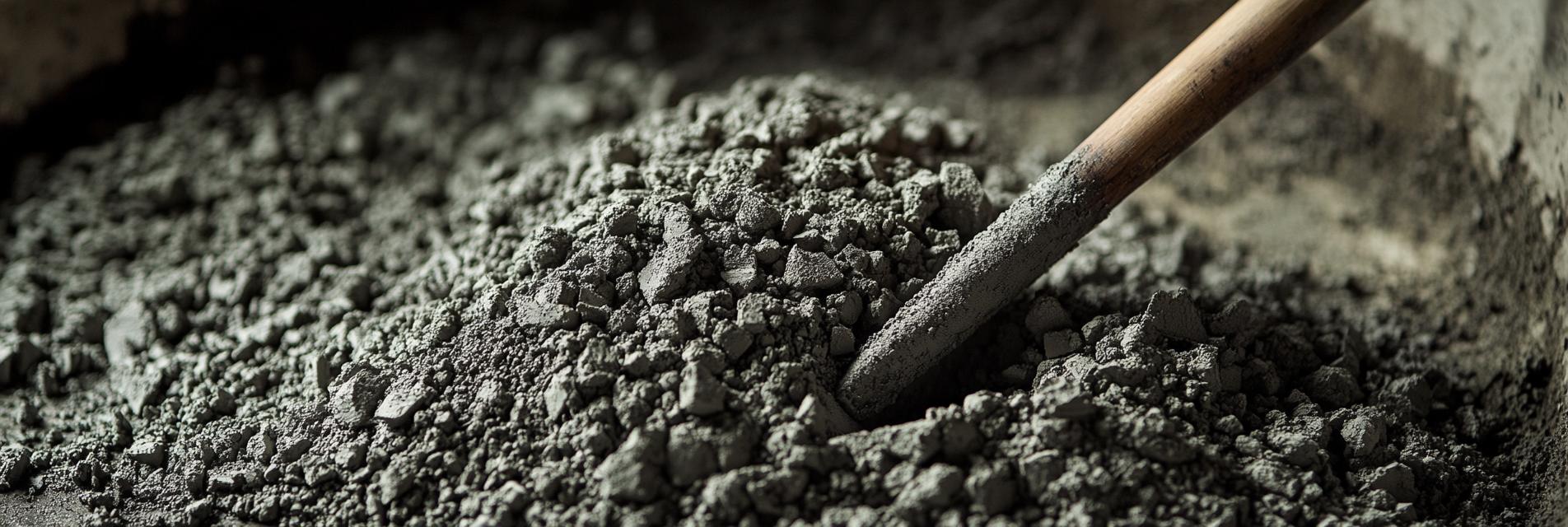
Spray repair technology is widely employed in the repair of local damage areas in converter linings, especially around the tapping hole and slag line. Various methods such as dry spraying, half-dry spraying, or flame spraying are utilized to apply the refractory material directly onto the lined surface.
Quality repair materials must possess high-temperature resistance, strong adhesion, minimal material fallout, and good sintering characteristics with hot lining surfaces. Particularly, half-dry spray materials effectively bond and cure quickly when mixed with sufficient moisture, evaluated by their adhesion rate and the number of applications.
In situations where moisture is unavailable, flame spraying offers excellent adhesive qualities by incorporating combustible substances and gases. This method can achieve extended service life for lining materials.
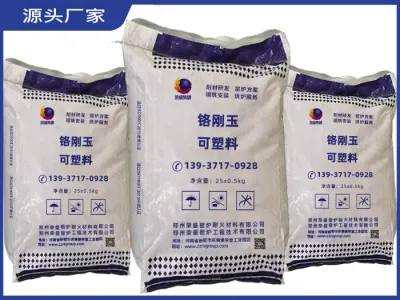
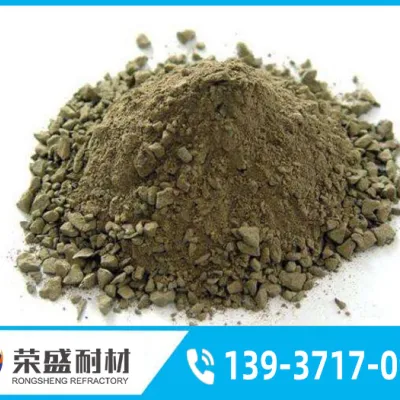
Rongsheng Company has developed two types of large-scale hot repair materials:
In conclusion, understanding the characteristics and application methods of converter repair materials is crucial for industrial operations. Proper maintenance and repair of converter linings ensure sustainable production levels, enhancing the profitability in manufacturing sectors.
.jpg?x-oss-process=image/resize,h_300,m_lfit/format,webp)
 265
|
265
|
 refractory materials
research collaboration
material science
industrial applications
refractory materials
research collaboration
material science
industrial applications
 35
|
graphite
refractory materials
high-temperature applications
35
|
graphite
refractory materials
high-temperature applications

.jpg?x-oss-process=image/resize,h_300,m_lfit/format,webp) 162
|
foundry furnace linings
casting technology
high-temperature materials
162
|
foundry furnace linings
casting technology
high-temperature materials
 335
|
refractory shotcrete
construction equipment
efficient application
335
|
refractory shotcrete
construction equipment
efficient application
.jpg?x-oss-process=image/resize,m_fill,h_100,w_100/format,webp)





.jpg?x-oss-process=image/resize,m_fill,h_100,w_100/format,webp)