
In the fast-evolving world of materials science, the demand for high thermal conductivity materials is ever-increasing. Industries ranging from electronics to aerospace are constantly seeking solutions for effective thermal management. Today, I want to share valuable insights into these materials and how they can solve critical challenges.
Heat buildup in electronic devices, industrial machinery, and various applications can lead to performance degradation, safety risks, and even failure. Traditional materials often fall short in their ability to dissipate heat effectively, causing a bottleneck in performance.
.jpg)
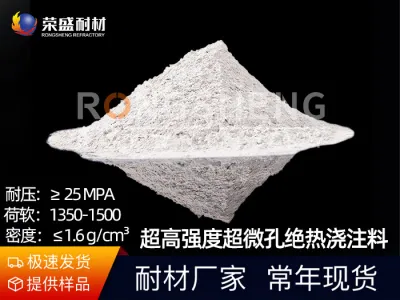
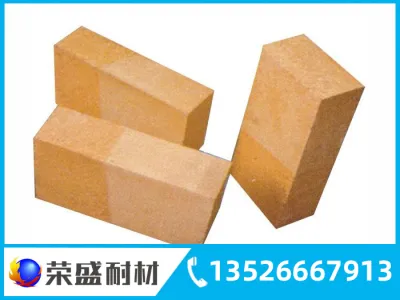
High thermal conductivity materials, such as certain ceramics and advanced composites, provide effective pathways for heat dissipation. By using these materials, industries can see reduced thermal resistance, leading to improved safety and enhanced performance.
.jpg)
The applications of high thermal conductivity materials are vast. In electronics, these materials help manage heat in high-performance chips. In automotive and aerospace, they contribute to engine performance and safety. The manufacturing sector also benefits, as these materials prolong the lifespan of machinery.
The integration of high thermal conductivity materials in various applications is not just a trend; it's a necessity for future innovation. I encourage businesses to consider these solutions as a pathway to enhancing efficiency and sustainability.
.jpg)
.jpg?x-oss-process=image/resize,h_300,m_lfit/format,webp)
 288
|
288
|
 Refractory hot air furnace
Coating Technology
Market analysis
Refractory hot air furnace
Coating Technology
Market analysis
 306
|
Non-stick aluminum casting material
Refractory materials
Market analysis
306
|
Non-stick aluminum casting material
Refractory materials
Market analysis
.jpg?x-oss-process=image/resize,h_300,m_lfit/format,webp) 301
|
Ultramicroporous Insulation
Energy Efficiency
Thermal Performance
Eco-friendly Materials
301
|
Ultramicroporous Insulation
Energy Efficiency
Thermal Performance
Eco-friendly Materials
 293
|
market analysis
development trends
industry outlook
293
|
market analysis
development trends
industry outlook
.jpg?x-oss-process=image/resize,h_300,m_lfit/format,webp) 236
|
high furnace coating
industrial materials
furnace insulation
coating technology
236
|
high furnace coating
industrial materials
furnace insulation
coating technology








.jpg?x-oss-process=image/resize,m_fill,h_100,w_100/format,webp)