In the realm of refractory materials, lightweight mullite bricks stand out for their exceptional properties and versatility. These bricks are primarily utilized in various high-temperature applications, particularly in kilns where thermal stability is paramount. In this article, I will delve into the unique characteristics of lightweight mullite bricks and discuss their operational advantages in high-temperature environments.
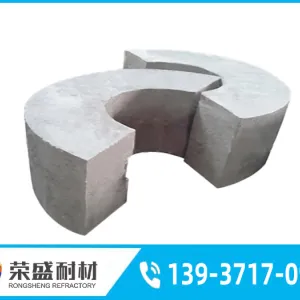
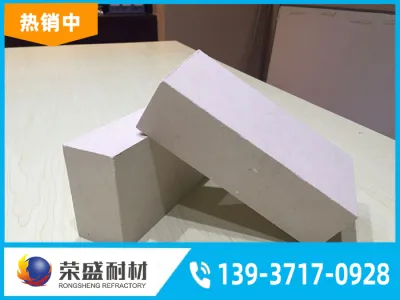
Lightweight mullite bricks are known for their low density and excellent mechanical strength. The primary ingredient, mullite, contributes significantly to their thermal stability and resistance to thermal shock, making them perfect for use in extreme conditions. Additionally, their chemical composition provides resistance to slag and corrosion, which is beneficial for industries dealing with molten materials.

The application of lightweight mullite bricks in high-temperature kilns is critical. Their ability to withstand extreme temperatures without degrading ensures the efficiency and longevity of the kiln's operations. Industries such as ceramics, glass, and metallurgy have adopted these bricks extensively due to their performance and reliability.
In conclusion, lightweight mullite bricks offer a multitude of advantages for high-temperature applications, particularly in kilns. Their unique characteristics such as thermal stability, low density, and chemical resistance make them an ideal choice for industries requiring reliable and efficient refractory materials. As we continue to explore innovative solutions within the market, the role of lightweight mullite bricks will remain significant in advancing industrial processes.

 466
|
466
|
 Market Analysis
Development Trends
Industry Outlook
Market Analysis
Development Trends
Industry Outlook
.jpg?x-oss-process=image/resize,h_300,m_lfit/format,webp) 241
|
Abrasive Bricks
Technology Innovation
Durability
241
|
Abrasive Bricks
Technology Innovation
Durability
.jpg?x-oss-process=image/resize,h_300,m_lfit/format,webp) 360
|
lightweight refractory bricks
market analysis
construction materials
refractory industry
360
|
lightweight refractory bricks
market analysis
construction materials
refractory industry
 125
|
high-temperature insulation
thermal insulation materials
industrial insulation
temperature management
heat-resistant materials
125
|
high-temperature insulation
thermal insulation materials
industrial insulation
temperature management
heat-resistant materials
 289
|
Organic Binders
Market Analysis
Trends in Organic Coatings
289
|
Organic Binders
Market Analysis
Trends in Organic Coatings