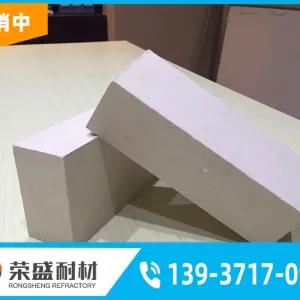
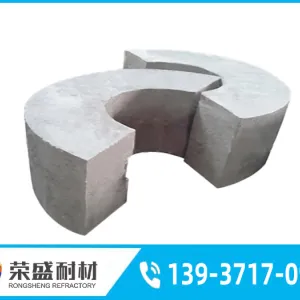
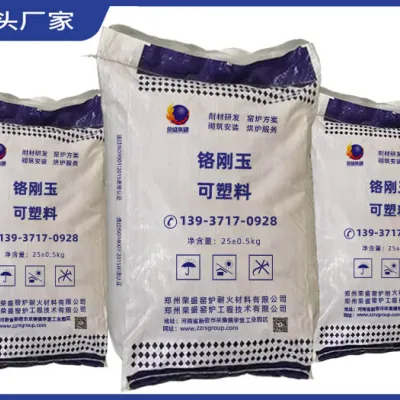
Bauxite, primarily composed of aluminum minerals, is a key component in the manufacturing of bricks across the United States. The content of bauxite within these bricks significantly influences both their structural integrity and sustainability.
Recent studies indicate that the average bauxite content in American bricks ranges from 15% to 30%. This variation depends on the source materials and the specific manufacturing processes employed by brick manufacturers.
As the construction industry evolves, there is an increasing emphasis on sustainability. Bricks containing higher bauxite levels exhibit favorable characteristics such as improved durability and thermal efficiency, contributing to energy savings in buildings. Additionally, the recycling of bauxite-rich bricks has become a focal point in sustainable construction practices.
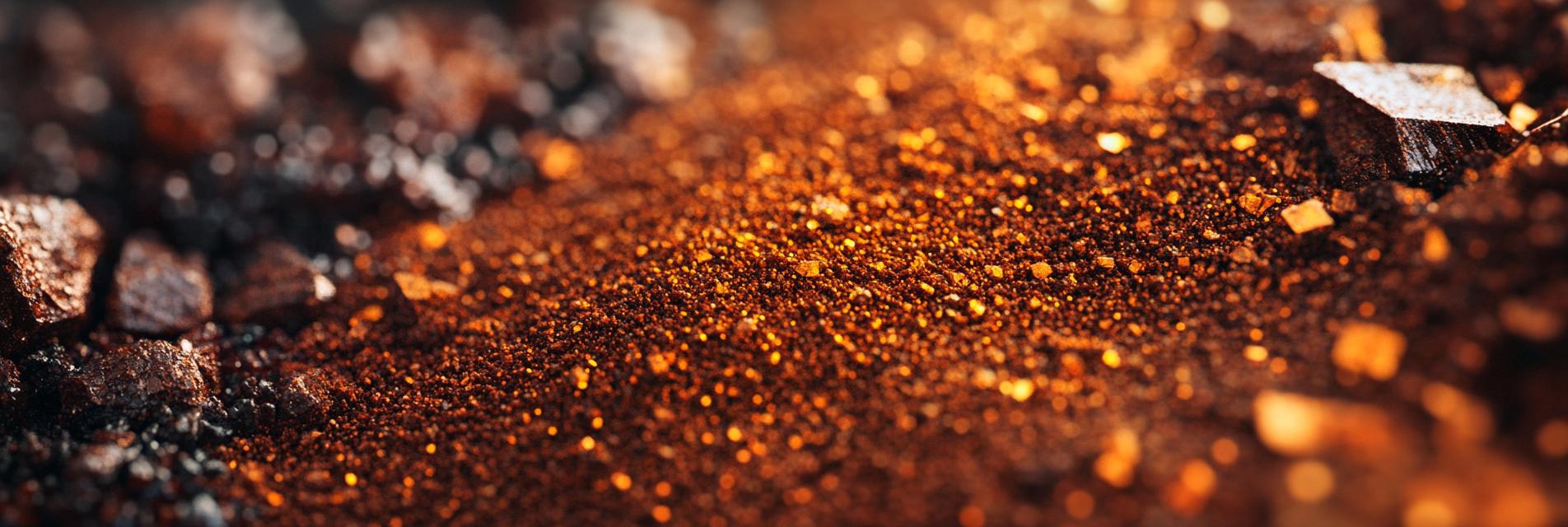
The analysis of bauxite content not only supports the structural viability of bricks but also plays a pivotal role in the debates surrounding environmentally friendly building materials. The construction sector's shift towards sourcing locally sourced materials reinforces the importance of understanding bauxite distribution within different geographic regions.
As the demand for sustainable and high-quality building materials continues to grow, the role of bauxite in American bricks will remain significant. Future innovations in brick manufacturing processes may further enhance the efficiency of bauxite usage, promoting a more sustainable construction industry.

 173
|
173
|
 technological innovation
product advantages
wear-resistant materials
technological innovation
product advantages
wear-resistant materials
 315
|
Ultra-lightweight castables
insulation materials
thermal insulation
high-performance refractories
315
|
Ultra-lightweight castables
insulation materials
thermal insulation
high-performance refractories
 138
|
Silicon Carbide
Ramming Mass
Refractory Materials
High-Temperature Resilience
138
|
Silicon Carbide
Ramming Mass
Refractory Materials
High-Temperature Resilience
 139
|
Electric Furnace
Refractory Materials
High-Temperature Insulation
Industrial Heating Solutions
139
|
Electric Furnace
Refractory Materials
High-Temperature Insulation
Industrial Heating Solutions
 129
|
market trends
refractory materials
industry analysis
129
|
market trends
refractory materials
industry analysis