As a passionate enthusiast in the field of materials science, I have always been fascinated by high-temperature refractory materials. These remarkable substances are crucial for a variety of industrial applications, where they withstand extreme conditions that would otherwise compromise the integrity of standard materials. What makes these refractory materials unique? Today, let us dive deep into their structure and properties to uncover their significance.
The primary challenge in many industrial processes is dealing with high temperatures that can exceed several hundred degrees Celsius. Conventional materials often falter under such conditions, leading to inefficiencies and costly downtimes. This is where high-temperature refractory materials shine. Their superior thermal resistance allows them to maintain stability and performance, even in the most demanding environments.
High-temperature refractory materials typically feature a complex structure composed of various oxides, carbides, and nitrides. This intricate arrangement grants them outstanding properties such as:
These properties are not merely theoretical; they have practical implications across industries. For example, in metallurgy and ceramics manufacturing, the use of high-temperature refractory linings in kilns ensures that processes run smoothly and efficiently.
Industries around the world are starting to embrace high-temperature refractory materials for their unparalleled benefits. In the steel industry, for example, these materials are used as linings for furnaces, significantly enhancing productivity and reducing the frequency of repairs.
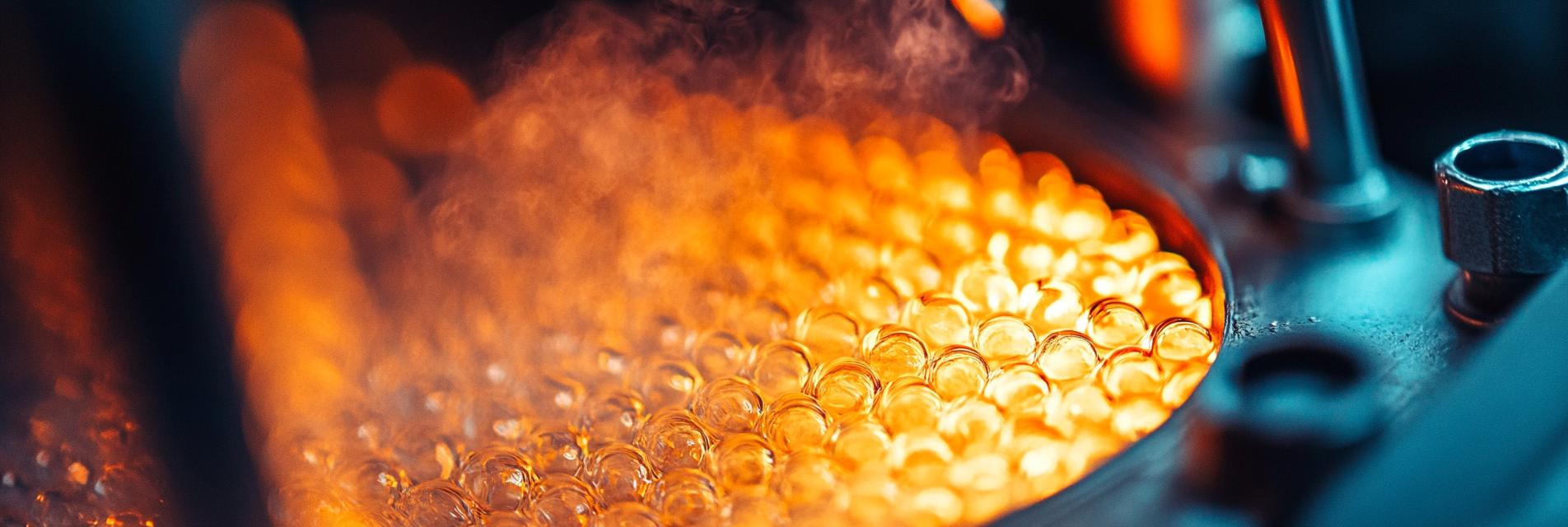
Furthermore, as we move towards more sustainable industrial practices, the demand for materials that can withstand temperature extremes while being eco-friendly will only increase. Advances in the development of these materials promise exciting new applications.
In conclusion, high-temperature refractory materials stand at the forefront of material science innovation. Their structure and exceptional properties make them indispensable in a myriad of industrial applications. As we continue to discover more about these fascinating materials, I invite you to stay tuned for updates on the latest developments and insights that could reshape the future of industrial efficiency.

 128
|
128
|
 Fire-Resistant Materials
Insulation Solutions
Electric Power Industry
Thermal Insulation
Energy Efficiency
Fire-Resistant Materials
Insulation Solutions
Electric Power Industry
Thermal Insulation
Energy Efficiency
 220
|
melted metal crucibles
American crucibles
metal casting
220
|
melted metal crucibles
American crucibles
metal casting
 456
|
industrial kiln insulation
thermal insulation materials
high-temperature insulation
energy efficiency
456
|
industrial kiln insulation
thermal insulation materials
high-temperature insulation
energy efficiency
 66
|
refractory bricks
industrial supply
high-temperature materials
ceramic products
thermal insulation
66
|
refractory bricks
industrial supply
high-temperature materials
ceramic products
thermal insulation
.jpg?x-oss-process=image/resize,h_300,m_lfit/format,webp) 225
|
refractory materials
metallurgical industry
application
future trends
high-temperature resistance
225
|
refractory materials
metallurgical industry
application
future trends
high-temperature resistance