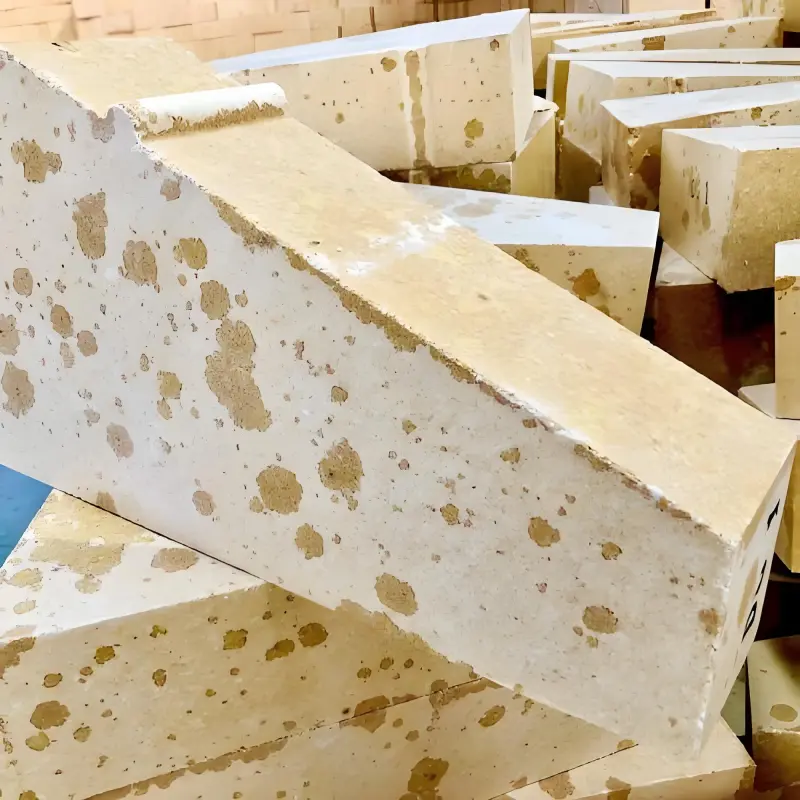
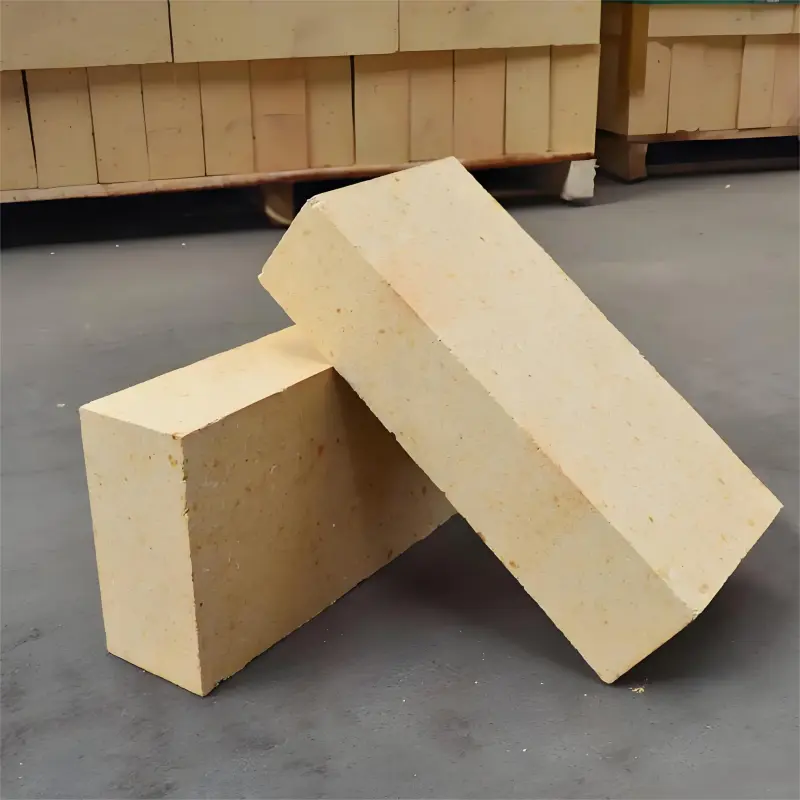
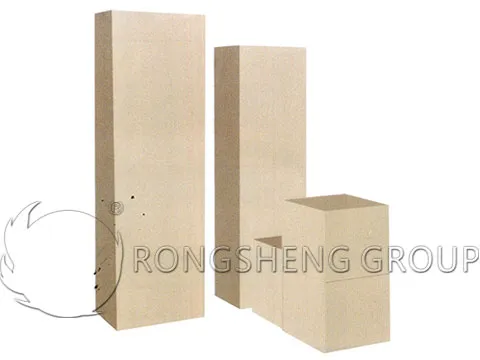
In steel plants, “heat” is the biggest cost center and the toughest reliability challenge at the same time. Any refractory choice that reduces heat loss, stabilizes thermal cycles, and extends campaign life has a direct impact on fuel consumption, downtime, and CO₂ intensity. Among premium options, fused corundum refractory bricks (also known as electrofused corundum bricks) are increasingly selected for extreme zones where conventional alumina bricks struggle to keep up.
This analysis focuses on how fused corundum bricks perform in steelmaking and related high-temperature industries, what parameters matter in real operations, and why measurable energy savings—often in the low single digits—can still translate into major annual cost reductions at scale.
Fused corundum bricks are not a “one-brick-fits-all” material. Their value becomes clear in zones with high thermal gradients, aggressive slags, and frequent temperature fluctuations. In steelmaking, those conditions usually appear where heat transfer is intense and equipment availability is mission-critical.
Common deployment includes high-wear furnace zones, hot blast and high-temperature air/combustion areas, reheat furnace sections exposed to rapid cycling, and critical transition zones where spalling and infiltration typically drive premature failure.
In copper and nickel smelting, high-temperature oxidation and slag attack often favor dense corundum structures. In power and petrochemical operations, fused corundum bricks are considered where thermal shock and corrosive atmospheres intersect—especially in areas where stable lining thickness is key for heat balance.
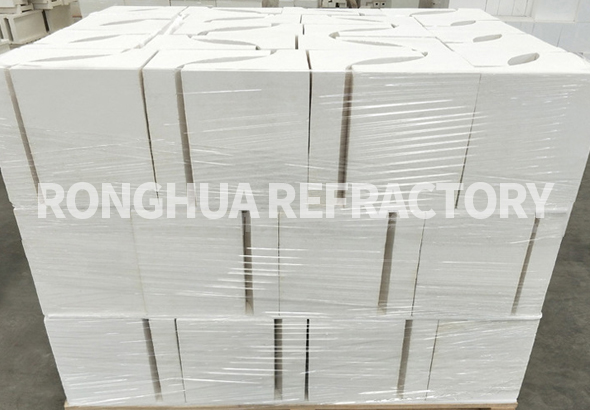
For decision-makers comparing high-temperature industrial refractory materials, the debate often becomes “composition vs. cost.” In practice, steel plants care about whether the lining can keep its integrity through cycles, remain dense against infiltration, and hold thermal performance over time.
The practical takeaway: a stable lining is an energy strategy. When the hot-face remains intact (less spalling, less cracking, less infiltration), the furnace maintains designed heat transfer, reducing the “hidden tax” of increased fuel demand and longer heat-up times as the lining degrades.
The table below provides a practical, selection-oriented comparison. Exact values vary by grade and application zone, but the performance logic is consistent in high-temperature steelmaking.
| Parameter (Typical Reference) | Traditional High-Alumina Brick | Fused Corundum Refractory Brick | Operational Meaning |
|---|---|---|---|
| Service temperature window | Often suitable for mid-to-high zones, depending on slag/atmosphere | ≥1800°C in appropriate designs and zones | Higher margin against overheating and peak loads |
| Thermal shock resistance | Moderate; more sensitive to rapid cycling | ≥50 rapid cycles (grade- and test-dependent) | Less spalling → steadier heat balance |
| Thermal conductivity | Often higher in comparable hot-face designs | ≤1.2 W/m·K (design-dependent) | Reduced heat loss can cut fuel demand |
| Density / infiltration resistance | Higher porosity risk depending on grade | Typically denser microstructure | Lower slag penetration → longer lining life |
| Lifecycle stability | More frequent maintenance in severe zones | Longer campaign potential in demanding zones | Fewer shutdowns, higher availability |

Energy savings in steelmaking are often associated with burners, oxygen enrichment, or heat recovery. Refractories are less visible—yet they influence energy efficiency every minute the furnace is operating. Fused corundum bricks contribute through three practical mechanisms:
Cracks and spalling increase effective heat leakage and force operators to compensate with higher fuel input. A more thermally stable lining helps keep the furnace closer to its designed thermal profile.
When slag/metal penetrates, it can “bridge” pores and raise thermal conductivity over time. Dense fused corundum structures help slow this degradation pathway, keeping heat where it belongs—inside the process.
Every shutdown and reheat cycle consumes energy without producing steel. Extending lining life can improve overall plant energy intensity indirectly—especially in operations with frequent maintenance interruptions.
In one overseas steel plant retrofit (high-temperature zone lining upgrade with fused corundum refractory bricks), the operator reported a 6.3% reduction in energy consumption per ton of steel after stabilizing the lining and reducing heat loss and unplanned maintenance. While results vary by furnace type, operating rhythm, and zone design, it aligns with what many plants observe: energy improvements are often “single-digit,” but financially significant at scale.
Before lining upgrade (baseline)
Relative energy index: 100
After fused corundum brick upgrade (reported)
Relative energy index: 93.7 (≈ 6.3% lower)
From an ESG lens, cutting fuel use typically reduces direct CO₂ emissions proportionally to the fuel mix. Even a 3–7% improvement can support internal carbon targets and external reporting expectations in energy-intensive industries.
“Once the lining stopped spalling during rapid cycling, the furnace stabilized faster after operational interruptions, and the overall heat balance became easier to control.” — Maintenance & Process Team, overseas steel plant (project feedback)
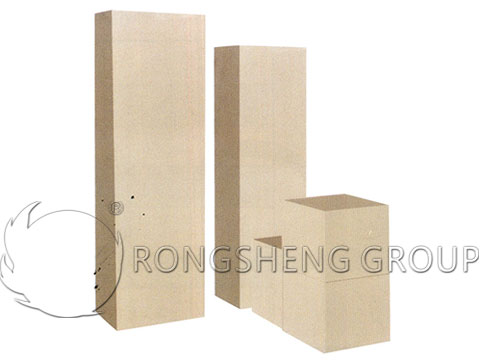
For international procurement teams, performance alone is not enough. Buyers increasingly evaluate refractories through a combined lens of quality consistency, traceability, and supplier capability—especially when the product will be installed in critical, high-temperature zones.
Backed by a sales and service footprint spanning 70+ countries, Rongsheng Refractory is positioned to support multi-site buyers with consistent specifications, technical communication, and region-aware delivery coordination—key advantages when projects involve tight shutdown windows.
In many steel plants, the best ROI does not come from replacing every brick with premium grades, but from targeting the zones that drive heat loss and premature lining failure. Engineers typically prioritize:
Frequent start-stop schedules, rapid charge temperature swings, or unstable airflow patterns can punish conventional linings. Higher thermal shock tolerance helps protect uptime.
Where slag chemistry or metal splash is aggressive, density and low porosity help keep the hot-face intact and maintain insulating performance deeper in the lining.
If a single furnace limits production, longer campaign life can outweigh higher upfront refractory costs through avoided shutdowns and smoother production scheduling.
Share your furnace type, operating temperature profile, slag/atmosphere conditions, and lining drawings (if available). A focused recommendation can often pinpoint the zones where energy loss and maintenance frequency can be reduced without over-designing the entire lining.
Get a Custom Fused Corundum Refractory Brick Solution from Rongsheng RefractoryTypical support includes material grade matching, brick shape customization, and documentation aligned with international procurement requirements.
 212
|
212
|
 High-purity chrome-zirconium corundum bricks High-temperature refractory materials Refractory bricks for glass furnaces Refractory material selection guide Customized refractory bricks
327
|
Cross - border e - commerce AI supply chain management Overseas supply chain optimization Artificial intelligence application Supply chain transparency
176
|
high alumina refractory brick energy efficiency in industry refractory material cost savings industrial refractory solutions low thermal conductivity refractory
186
|
high-temperature glass manufacturing refractory materials high-purity beta bauxite bricks alkali vapor corrosion resistance glass furnace lining materials RTK-H refractory
218
|
high alumina refractory bricks refractory material properties industrial energy efficiency refractory brick certifications high temperature equipment optimization
High-purity chrome-zirconium corundum bricks High-temperature refractory materials Refractory bricks for glass furnaces Refractory material selection guide Customized refractory bricks
327
|
Cross - border e - commerce AI supply chain management Overseas supply chain optimization Artificial intelligence application Supply chain transparency
176
|
high alumina refractory brick energy efficiency in industry refractory material cost savings industrial refractory solutions low thermal conductivity refractory
186
|
high-temperature glass manufacturing refractory materials high-purity beta bauxite bricks alkali vapor corrosion resistance glass furnace lining materials RTK-H refractory
218
|
high alumina refractory bricks refractory material properties industrial energy efficiency refractory brick certifications high temperature equipment optimization