As an industry expert, I’ve witnessed firsthand the increasing challenges we face with kiln technology. Modern manufacturing processes require materials that not only withstand extreme heat but also enhance efficiency and durability. The evolving landscape calls for innovative refractory materials that can meet these demands while supporting sustainable practices.
Fortunately, the field of refractory materials is witnessing exciting advancements. Here are some future trends that are essential for the development of kilns:
New formulations of refractory materials are being developed to withstand higher temperatures. Innovations in ceramic fibers and advanced composites are making it possible to create products that maintain their integrity under extreme conditions.
Companies are increasingly prioritizing sustainability, leading to a rise in eco-friendly refractory materials. These materials not only reduce carbon footprints but are often made from recycled resources, appealing to environmentally-conscious manufacturers.
With the advent of Industry 4.0, smart refractory materials equipped with sensors are entering the market. These advancements allow for real-time monitoring of kiln conditions, leading to improved operational efficiency and safety.
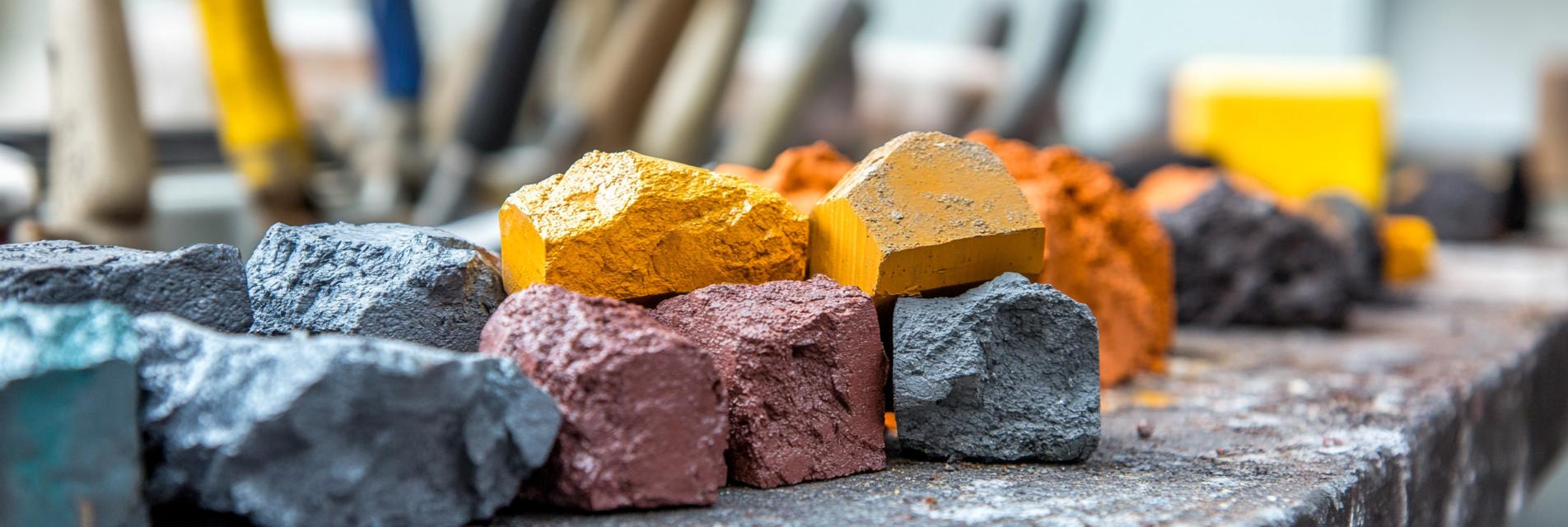
As we navigate through these trends, it’s clear that our approach to refractory materials must evolve. By embracing these innovations, we can not only enhance the performance of kilns but also contribute to a more sustainable and efficient manufacturing future.
It’s an exciting time to be involved in this industry, and I urge you to stay updated with these trends to remain competitive in an ever-changing environment.
 116
|
116
|
 dry vibrating materials
Rongsheng
scientific formula
vibration technology
material science
dry vibrating materials
Rongsheng
scientific formula
vibration technology
material science
 68
|
ceramic kiln
refractory bricks
kiln materials
68
|
ceramic kiln
refractory bricks
kiln materials
.jpg?x-oss-process=image/resize,h_300,m_lfit/format,webp) 274
|
refractory materials
metallurgical industry
application
future trends
high-temperature resistance
274
|
refractory materials
metallurgical industry
application
future trends
high-temperature resistance
.jpg?x-oss-process=image/resize,h_300,m_lfit/format,webp) 20
|
refractory materials
industrial applications
material innovation
heat resistance
performance comparison
20
|
refractory materials
industrial applications
material innovation
heat resistance
performance comparison
 310
|
Fire-Resistant Materials
Insulation Solutions
Electric Power Industry
Thermal Insulation
Energy Efficiency
310
|
Fire-Resistant Materials
Insulation Solutions
Electric Power Industry
Thermal Insulation
Energy Efficiency