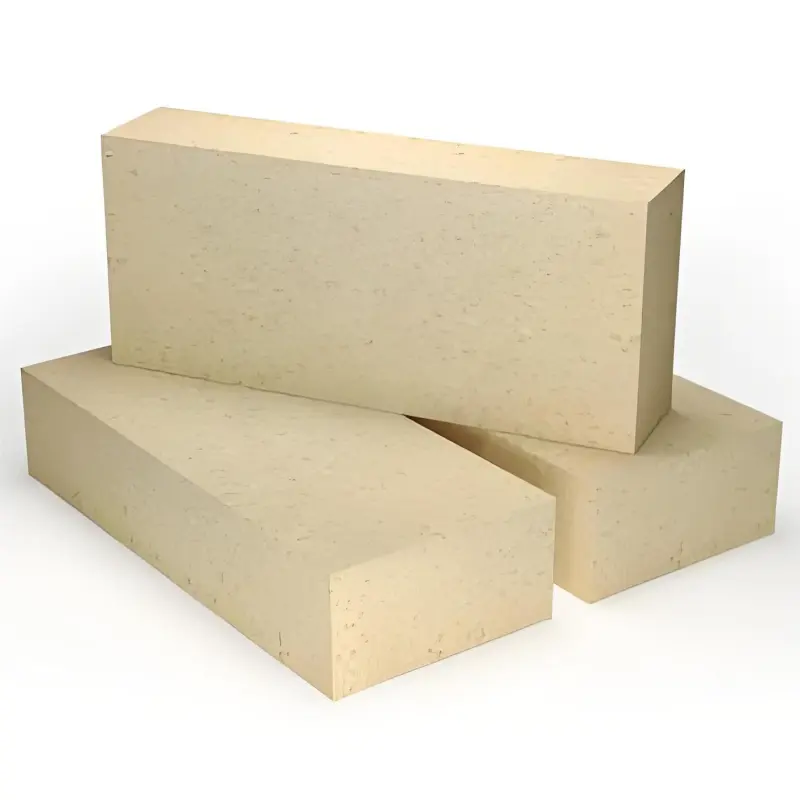
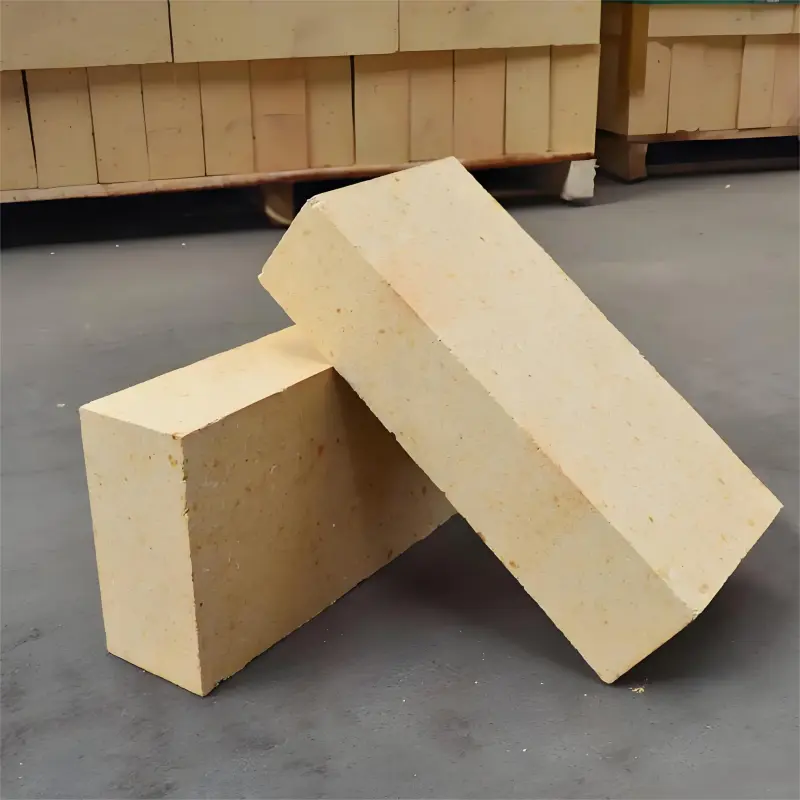
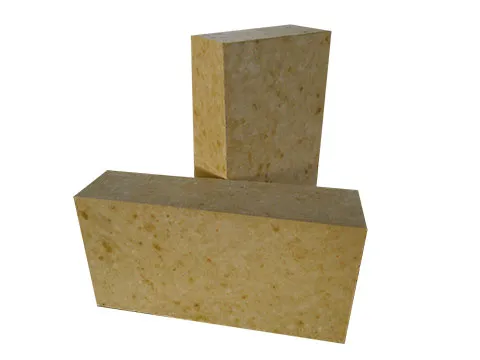
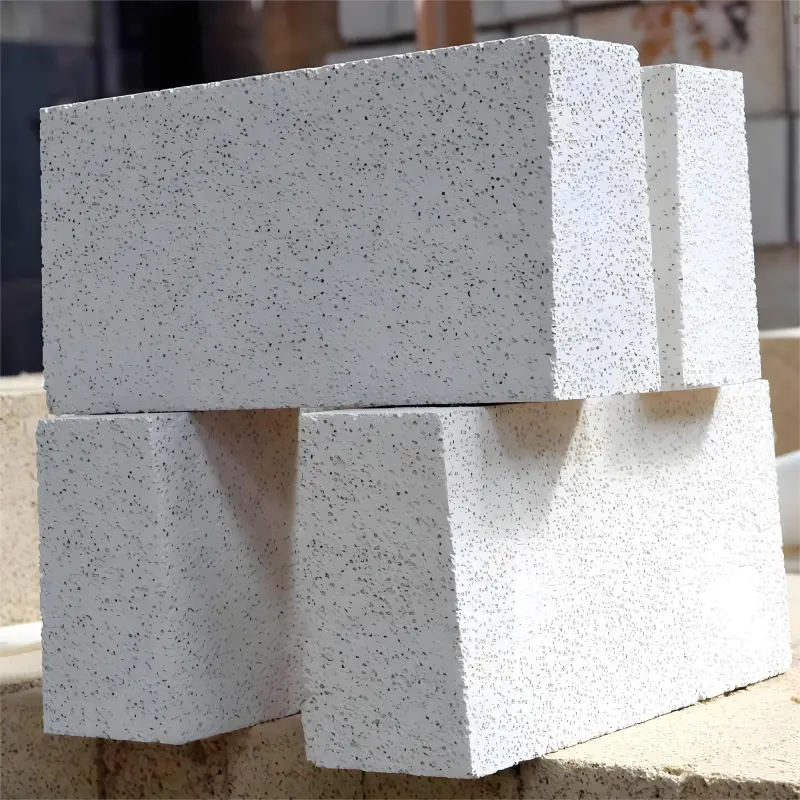
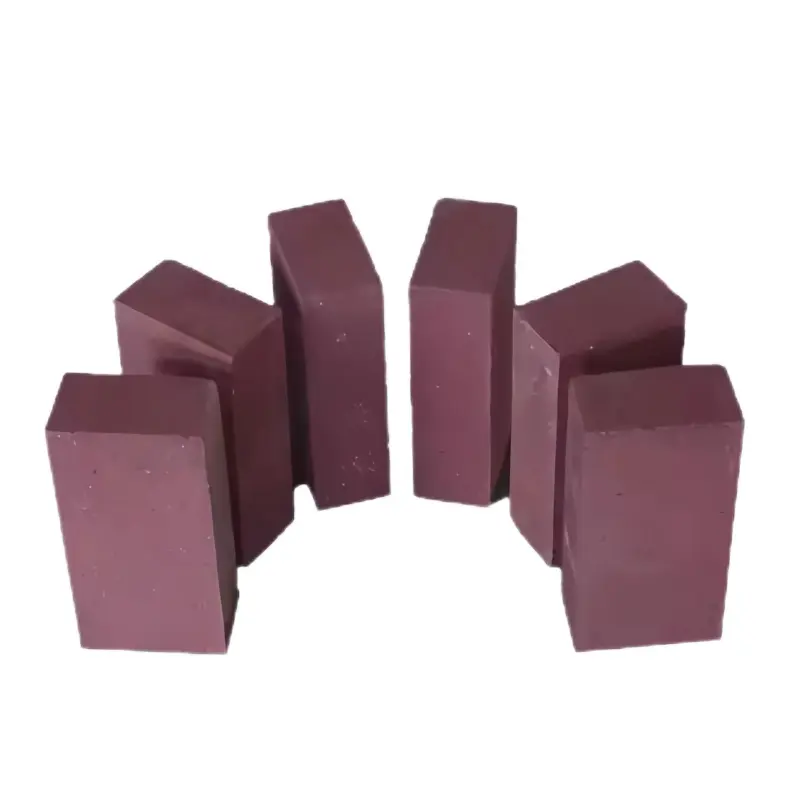
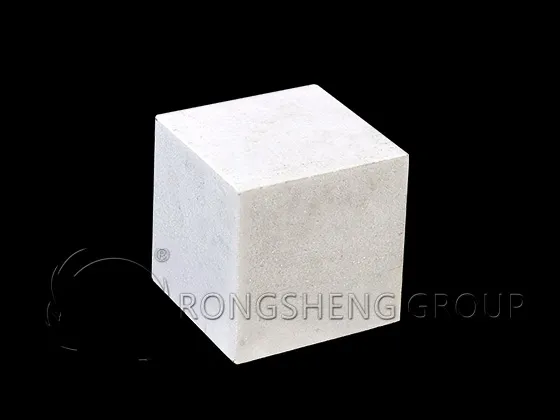
In glass melting, “lining stability” is not a slogan—it is a measurable outcome driven by a few non-negotiable material parameters. For technical managers and maintenance teams, selecting the right refractory is often the fastest way to reduce unplanned stoppages, stabilize pull rate, and extend campaign life. This article breaks down the core indicators for furnace lining materials and explains how Rongsheng Refractory applies them to its high-purity fused cast alumina corundum blocks used in high-temperature molten glass contact zones.
In molten glass contact zones, “temperature resistance” must be read as structural stability under load at temperature. A refractory can show good cold properties yet deform slowly (creep) under sustained hot-face heat and mechanical constraint. For fused cast alumina-corundum blocks, high-alumina chemistry and dense microstructure help maintain shape stability at elevated temperature and reduce softening-related joint opening.
Practical reference: In many industrial refractories used around glass furnaces, cold crushing strength often falls in the ~40–120 MPa range depending on type; fused cast products are commonly selected when teams prioritize high density and corrosion resistance rather than only high CCS.
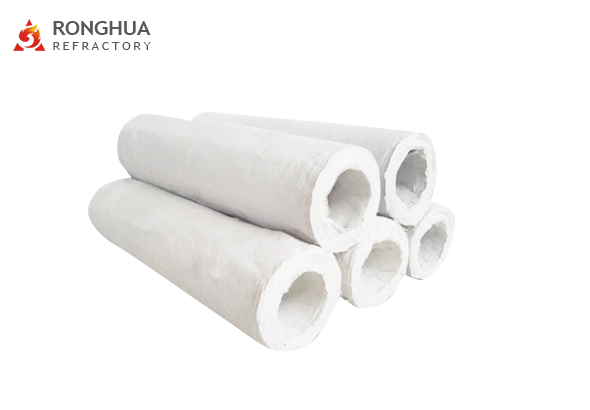
For maintenance managers, flexural strength is more than a lab number—it correlates with how a block tolerates installation handling, thermal gradients, and corner stress at joints. In glass furnace linings, microcracks often initiate at edges and interfaces. Materials with stable microstructure and tight casting control can lower the probability of crack propagation, especially in high-stress geometries (throat, doghouse, sidewall transitions).
Thermal conductivity affects heat loss, shell temperature, and the temperature gradient through the lining. Higher conductivity may help reduce hot-face thermal gradients (sometimes improving thermal shock tolerance), but it can raise external surface temperature and energy loss if insulation is not engineered properly. Technical teams should evaluate conductivity together with the backup lining package.
| Indicator | Why it matters in glass melting | Field symptom if mismatched | What to verify with supplier |
|---|---|---|---|
| Temperature margin (softening/creep) | Maintains geometry & joint integrity under load | Joint opening, glass infiltration, local hot spots | High-temp test basis, campaign references, density control |
| Flexural strength (MOR) | Resists cracking during cycling & mechanical constraint | Corner spalls, step cracks, edge fractures | Batch purity, casting control, defect inspection standard |
| Thermal conductivity | Controls heat flux & gradient; impacts efficiency and shell temp | Unexpected shell temperature rise or unstable gradients | Test temperature point (e.g., 600/1000°C) and method |
| Thermal shock resistance | Survives burner tuning, pull changes, and local cooling events | Network cracking, sudden spalling, short localized failures | Thermal cycling protocol, acceptance criteria, service feedback |
Glass furnaces rarely experience dramatic quenching, but they do face frequent localized temperature fluctuations: burner imbalances, air infiltration, pull variations, and uneven batch blanket coverage. Refractories that are too “stiff” for the operating gradient can develop microcrack networks that later accelerate corrosion. The most reliable specification discussion is one that links thermal cycling to the actual operating mode (continuous melt, frequent idling, cold repairs, etc.).
In many glass melting environments, alkali vapors and condensates can react with refractory phases at the hot face and within open porosity. A practical corrosion prevention plan includes both material selection and operational discipline. High-purity fused cast alumina corundum blocks are often chosen for their dense structure and chemical stability, helping reduce penetration paths for aggressive species.
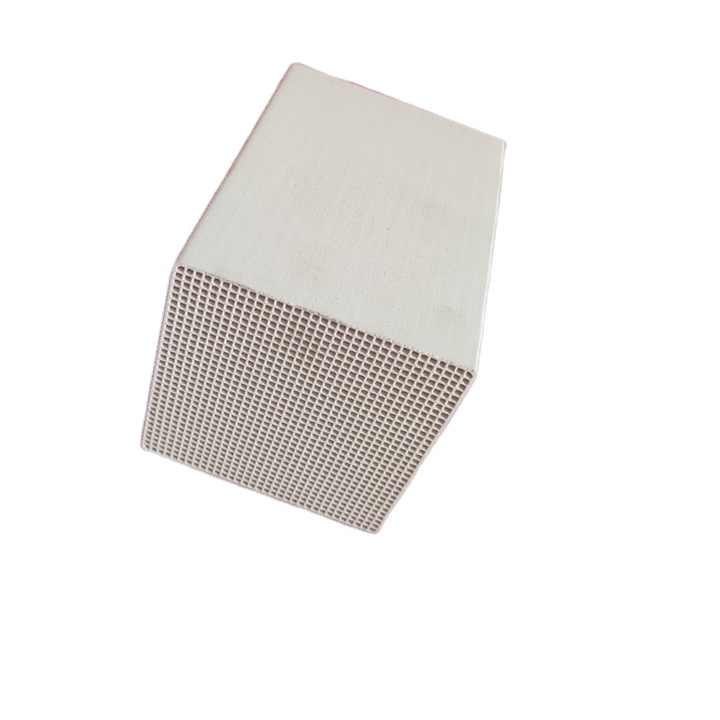
In a typical mid-to-large glass melting line, unstable sidewall hot spots can trigger a chain reaction: increased heat loss, higher shell temperatures, accelerated wear, and higher probability of emergency patching. A common turning point is when the team stops treating refractories as a “standard consumable” and starts treating them as a fit-to-condition engineered component.
After recurring localized damage near a transition section, the maintenance team reviewed operating logs and found frequent short temperature swings during pull changes. The revised lining plan prioritized: (1) fused cast alumina corundum blocks in the highest-risk contact zone, (2) joint detailing and installation discipline, and (3) tighter burner tuning procedures. In many plants, this kind of “spec + operation alignment” is associated with double-digit reductions in unplanned repairs and noticeably more stable shell temperature trends over the next quarter.

For global procurement and plant engineering teams, the best supplier conversations are specific: not “Do you have high alumina?” but “How do you keep consistency across heats, molds, and batches?” Rongsheng Refractory emphasizes stable production and inspection routines supported by modernized lines, with the practical goal of delivering blocks with predictable performance from installation to end-of-campaign.
Customization is most valuable when it connects to the hot-zone reality: block geometry, tolerances for tighter joints, composition choices for alkali exposure, and pre-defined inspection criteria. For many glass plants, a customized approach can mean fewer on-site adjustments, faster installation, and more predictable thermal behavior after heat-up.
When replacement becomes unavoidable, a structured workflow reduces risk. The steps below are designed for technical managers who need repeatability across teams and shifts.
If your team is evaluating fused cast alumina corundum blocks for a specific furnace zone, the fastest path is a technical review based on temperature profile, alkali exposure, geometry, and maintenance objectives. Rongsheng Refractory supports customized block specifications and application-oriented consultation to help reduce uncertainty before installation.
Book a Technical Consultation for High-Purity Fused Cast Alumina Corundum Blocks →Typical inputs for faster evaluation: furnace section, operating temperature range, glass type, observed wear pattern, and requested block dimensions/tolerances.
 230
|
230
|
 composite alumina-zirconia-silica brick glass kiln refractory material glass melt corrosion resistance AZS refractory brick glass manufacturing solution
316
|
international order processing 外贸入门 export流程 refractory brick export global trade tutorial
206
|
Composite alumina-zirconia-silica brick Anti - glass liquid corrosion refractory material Refractory brick for glass manufacturing AZS series refractory brick Customized refractory solutions for glass industry
461
|
B2B export trade trends refractory material exports high-temperature industrial bricks global refractory market customized refractory solutions
302
|
high-purity chrome corundum refractory bricks refractory material customization high-temperature kiln energy-saving solutions industrial refractory brick technology internationally certified refractory materials
composite alumina-zirconia-silica brick glass kiln refractory material glass melt corrosion resistance AZS refractory brick glass manufacturing solution
316
|
international order processing 外贸入门 export流程 refractory brick export global trade tutorial
206
|
Composite alumina-zirconia-silica brick Anti - glass liquid corrosion refractory material Refractory brick for glass manufacturing AZS series refractory brick Customized refractory solutions for glass industry
461
|
B2B export trade trends refractory material exports high-temperature industrial bricks global refractory market customized refractory solutions
302
|
high-purity chrome corundum refractory bricks refractory material customization high-temperature kiln energy-saving solutions industrial refractory brick technology internationally certified refractory materials