
Graphite plays a pivotal role in the production of refractory materials, which are essential for various high-temperature industrial applications. This article aims to delve into the properties of graphite, its function in refractory materials, and the advantages it offers in extreme environments.
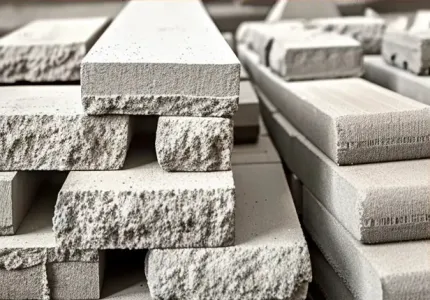
Graphite is known for its remarkable properties, including high thermal conductivity, excellent thermal resistance, and chemical stability. These characteristics make graphite an indispensable material in the manufacturing of refractories, contributing significantly to their overall performance.

The inclusion of graphite in refractory materials enhances their thermal resistance, allowing them to withstand extreme temperatures of up to 3000°C. This ability is crucial for industrial processes such as metal casting, glass production, and cement manufacturing.
Graphite's innate properties contribute to the durability of refractory materials. By improving their resistance to thermal shock and wear, graphite ensures that refractories remain effective over extended service periods, thus reducing maintenance costs and downtime.

In conclusion, graphite is a vital component in refractory materials, offering unique properties that enhance thermal resistance and durability in high-temperature applications. Its widespread use in industrial sectors underscores the importance of graphite as a key industrial mineral.

 222
|
222
|
 Energy-efficient materials
Refractory materials
Sustainable industry
Heat-resistant solutions
Energy-efficient materials
Refractory materials
Sustainable industry
Heat-resistant solutions
.jpg?x-oss-process=image/resize,h_300,m_lfit/format,webp) 79
|
non-stick aluminum casting materials
casting technology
advanced refractory materials
79
|
non-stick aluminum casting materials
casting technology
advanced refractory materials
.jpg?x-oss-process=image/resize,h_300,m_lfit/format,webp) 31
|
refractory materials
innovation in materials science
industrial applications
high-temperature resistance
31
|
refractory materials
innovation in materials science
industrial applications
high-temperature resistance
.jpg?x-oss-process=image/resize,h_300,m_lfit/format,webp) 69
|
Refractory Materials
Installation Guide
Heat Resistant
69
|
Refractory Materials
Installation Guide
Heat Resistant
.jpg?x-oss-process=image/resize,h_300,m_lfit/format,webp) 41
|
fire retardants
penetrating fire retardants
efficient fire safety solutions
41
|
fire retardants
penetrating fire retardants
efficient fire safety solutions
.jpg?x-oss-process=image/resize,m_fill,h_100,w_100/format,webp)






.jpg?x-oss-process=image/resize,m_fill,h_100,w_100/format,webp)