
Selecting the appropriate refractory materials for high-temperature applications is crucial for ensuring operational efficiency and equipment longevity. The challenges posed by extreme thermal exposure require materials that not only withstand severe conditions but also maintain their structural integrity over time. In this guide, I will outline the key factors to consider when choosing refractory materials.
1. Thermal Resistance: Refractory materials must resist high temperatures without deforming or breaking down. Choose materials with high melting points and thermal stability.
2. Chemical Durability: High-temperature environments can involve corrosive substances. Select materials that resist chemical attack and oxidation.
3. Mechanical Strength: Evaluate the mechanical properties such as compressive and tensile strength. Materials should withstand pressure and mechanical loads without failure.
.jpg)
4. Insulation Properties: Adequate thermal insulation is vital for energy efficiency. Look for materials that provide excellent insulation while maintaining structural properties.
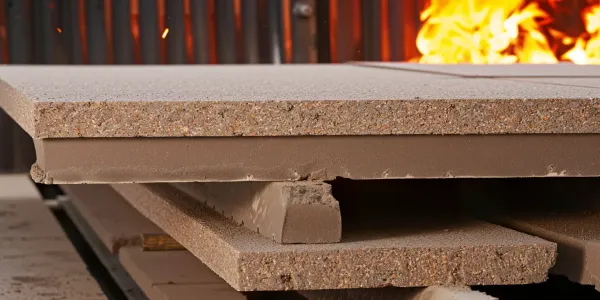
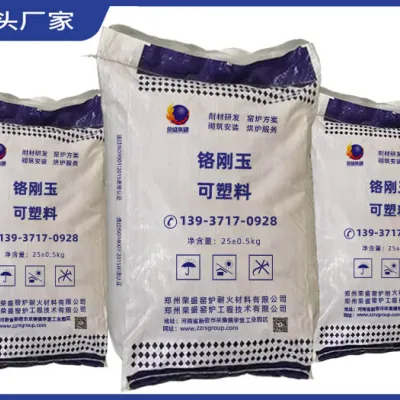
Based on the above criteria, here are some materials that I recommend for various high-temperature applications:
.jpg)
In conclusion, the selection of refractory materials for high-temperature environments is a critical decision that impacts performance and safety. By considering thermal resistance, chemical durability, mechanical strength, and insulation properties, you can make an informed choice that enhances your operational efficiency. For expert assistance on selecting the right materials for your specific applications, feel free to reach out to our team.
.jpg)
.jpg?x-oss-process=image/resize,h_300,m_lfit/format,webp)
 188
|
188
|
 Spinel
Gemstone
Jewelry
Precious Stones
Collecting Spinel
Spinel
Gemstone
Jewelry
Precious Stones
Collecting Spinel
 296
|
Electric furnace refractory
Industrial Materials
Refractory Innovation
296
|
Electric furnace refractory
Industrial Materials
Refractory Innovation
 259
|
Industrial insulation bricks
High temperature insulation materials
Market demand
259
|
Industrial insulation bricks
High temperature insulation materials
Market demand
.jpg?x-oss-process=image/resize,h_300,m_lfit/format,webp) 458
|
blast furnace
hot air stove
Spray paint
High temperature stability
Materials Science
458
|
blast furnace
hot air stove
Spray paint
High temperature stability
Materials Science
.jpg?x-oss-process=image/resize,h_300,m_lfit/format,webp) 60
|
furnace maintenance
material selection
downtime reduction
industrial efficiency
furnace repairs
60
|
furnace maintenance
material selection
downtime reduction
industrial efficiency
furnace repairs






.jpg?x-oss-process=image/resize,m_fill,h_100,w_100/format,webp)


.jpg?x-oss-process=image/resize,m_fill,h_100,w_100/format,webp)