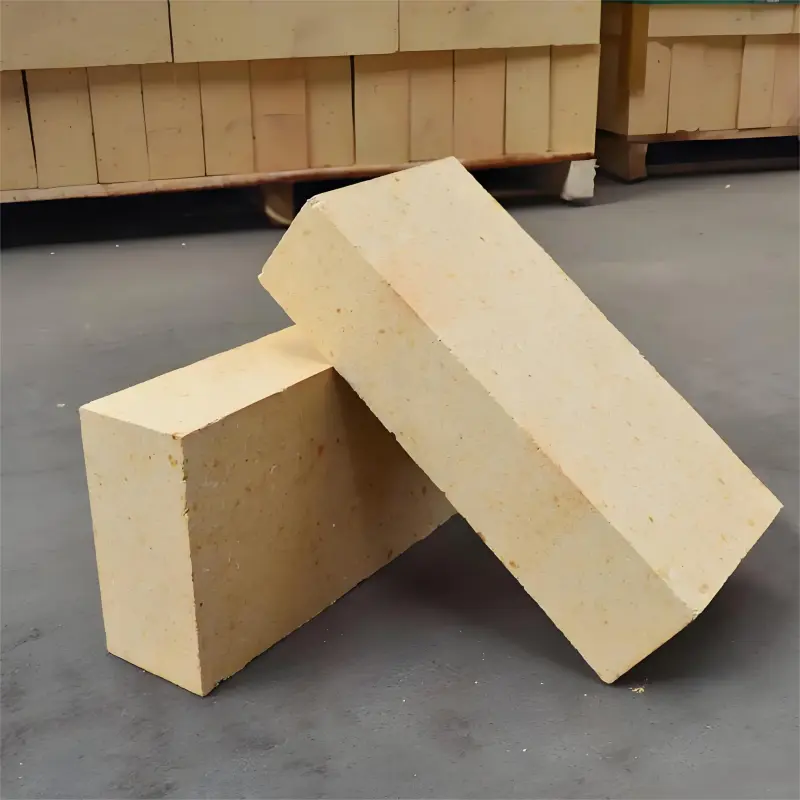
In steel, cement, glass, and non‑ferrous furnaces, refractory selection is rarely a “materials” decision—it is a risk decision. A brick that looks similar on paper can behave very differently under load, flame impingement, alkali attack, or frequent start‑stop cycles. If you are responsible for procurement, engineering, or maintenance, ask yourself: Have you ever seen a kiln lose lining thickness faster than expected, or crack after a short shutdown?
This guide breaks down the practical buying logic for high‑performance alumina refractory bricks—with clear thresholds for Al2O3 content, key physical properties, and the certifications that matter in global sourcing.
Many buyers begin by matching “maximum service temperature.” That’s necessary, but incomplete. Real failure often comes from the combination of: thermal shock (rapid heating/cooling), mechanical load (stack pressure, kiln rotation, abrasion), and chemical corrosion (alkalis, slags, dust infiltration).
Buyer checkpoint: Before comparing suppliers, confirm your kiln zone conditions: hot face temperature, heating rate, shutdown frequency, atmosphere (oxidizing/reducing), contact materials (slag/alkali/dust), and whether the lining sees abrasion or impact.
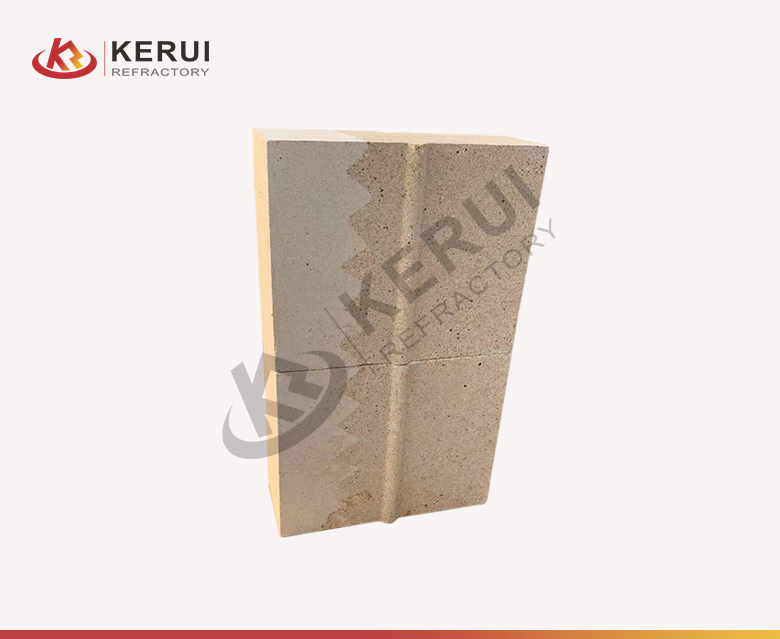
For many industrial kiln applications, Al2O3 > 75% is a practical threshold when you need a balance of refractoriness, load-bearing capability, and corrosion resistance. Higher alumina typically improves hot strength and reduces glassy phases that can soften at elevated temperatures.
Quoted data box (reference targets for high‑performance alumina bricks)
Note: exact targets should be matched to zone conditions (burning zone vs. transition zone vs. preheater/cooler).
A common sourcing pitfall is treating Al2O3 as the only KPI. In practice, buyers should also check phase composition (mullite/corundum), consistency of raw materials, and firing quality—because two “80% alumina” bricks can still differ greatly in life.
Refractoriness tells you when the brick begins to soften; RUL indicates how it behaves under real structural load. For high‑alumina bricks used in demanding kiln zones, buyers often look for refractoriness ≥ 1750°C and RUL (0.2 MPa) ≥ 1450–1550°C, depending on the application.
CCS helps estimate handling resistance, installation damage risk, and baseline mechanical integrity. Many high‑performance alumina bricks fall around 60–120 MPa CCS. However, for zones exposed to high temperature and load, ask for hot modulus / hot strength data as well—because room‑temperature strength does not guarantee high‑temperature stability.
If your kiln experiences frequent shutdowns, air in-leakage, or rapid ramp changes, thermal shock becomes a top failure driver. A practical way suppliers express TSR is the number of water-quench cycles before visible cracking. For many high‑duty alumina bricks, 20–30+ cycles is a reasonable reference target, but it must match your structure and lining design.
Lower porosity generally slows penetration of slags and alkalis, improving corrosion resistance. But extremely low porosity can reduce crack-arresting capability, sometimes lowering thermal shock tolerance. The “best” brick is the one that balances these trade-offs for your kiln zone, not the one with a single extreme value.
International sourcing often requires certifications for compliance and supplier screening. Two names come up frequently: ISO9001 and CE.
Certification quick clarity (procurement-friendly)
In other words: certifications can support supplier credibility, but your decision should still be anchored in measurable performance data and consistency. A solid supplier will be comfortable aligning on inspection plans and sharing typical batch ranges—not just “nominal values.”
For budget-driven projects, standard fireclay bricks may look attractive. But for high-temperature or chemically aggressive zones, they can become a costly “false saving” due to premature wear, unplanned shutdowns, and heat-loss penalties.
In steel-related thermal equipment, lining degradation often accelerates due to slag infiltration and local hot spots. Choosing a brick with adequate Al2O3 but insufficient density or poor firing can lead to faster penetration and spalling. The safer evaluation method is to combine chemistry with porosity/density and proof-of-consistency via batch reports.
Cement rotary kilns are notorious for alkali circulation and coating instability. A brick that cannot resist alkali penetration may show abnormal wear, micro-cracking, and loss of mechanical interlock. In such environments, procurement teams often prioritize: controlled impurity levels, balanced porosity, and verified thermal shock behavior.
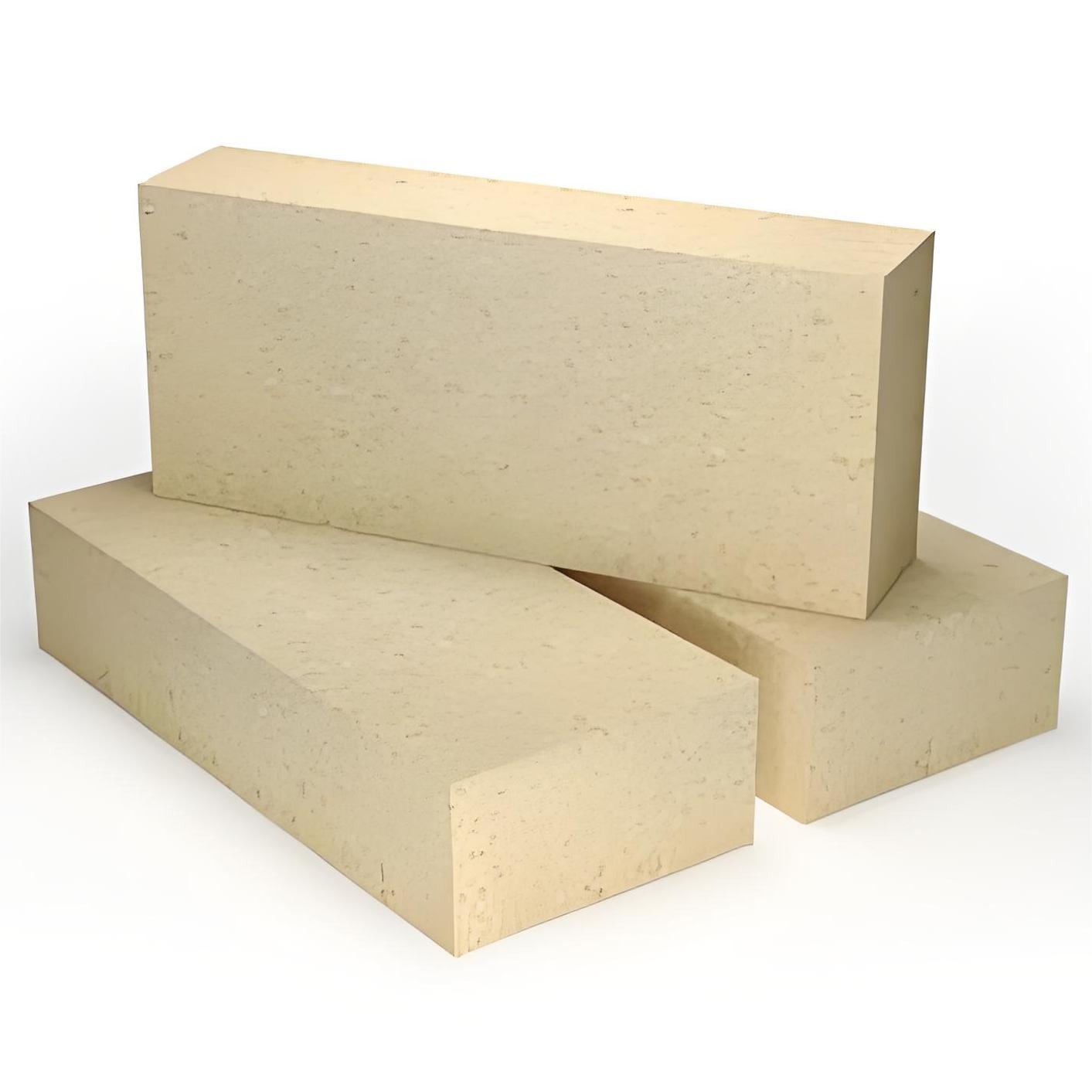
Glass furnaces reward stability and punish inconsistency. A subtle shift in raw material or firing curve can change creep behavior over time. For long campaigns, buyers tend to demand tighter property ranges and more transparent QA documentation, not just a single “typical value.”
A practical, low-friction buying approach
For wholesale procurement, the hidden cost is not the first shipment—it’s the next ten shipments. A dependable refractory partner should show repeatable production control, stable raw material sourcing, and clear QA practices. Rongsheng has focused on refractory R&D and manufacturing for over 20 years, validated by 1,000+ customers globally—a type of track record that matters when your kiln campaign depends on consistent batches, not “lucky” samples.
If a supplier’s quote looks attractive, consider one question: Can they provide traceable batch data and stand behind the same spec month after month?
If you share your kiln type, operating temperature, cycling frequency, and the zone location, a proper match can be made between alumina grade and performance targets (RUL, CCS, porosity/density, and thermal shock resistance)—so you avoid overpaying for unnecessary specs or under-specifying a high-risk zone.
Need a kiln-zone matched solution?
Request the high‑performance alumina refractory brick spec sheet + typical test ranges for your application.
Typical inputs: kiln zone • temperature • load • atmosphere • shutdown frequency
Which kiln zone causes you the most refractory headaches right now—burning zone spalling, alkali corrosion, or rapid wear from abrasion— and what is your current brick grade (Al2O3 %) there?
 373
|
373
|
 Refractory brick application solutions
Low-density corundum - mullite bricks
High-temperature industrial refractory materials
Steel smelting refractory materials
Cement kiln refractory bricks
176
|
B2B export optimization
refractory brick product display
customer cognition strategy
diversified content marketing
global buyer insights
239
|
low-density alumina foam refractory brick
custom refractory brick
high-alumina refractory
kiln lining material
industrial refractory solution
141
|
custom refractory bricks
alumina-mullite brick
high temperature kiln lining
Al2O3 content customization
SiO2 MgO ratio optimization
46
|
high purity mullite refractory brick
alumina refractory brick
international refractory export
custom refractory solutions
high temperature refractory materials
Refractory brick application solutions
Low-density corundum - mullite bricks
High-temperature industrial refractory materials
Steel smelting refractory materials
Cement kiln refractory bricks
176
|
B2B export optimization
refractory brick product display
customer cognition strategy
diversified content marketing
global buyer insights
239
|
low-density alumina foam refractory brick
custom refractory brick
high-alumina refractory
kiln lining material
industrial refractory solution
141
|
custom refractory bricks
alumina-mullite brick
high temperature kiln lining
Al2O3 content customization
SiO2 MgO ratio optimization
46
|
high purity mullite refractory brick
alumina refractory brick
international refractory export
custom refractory solutions
high temperature refractory materials