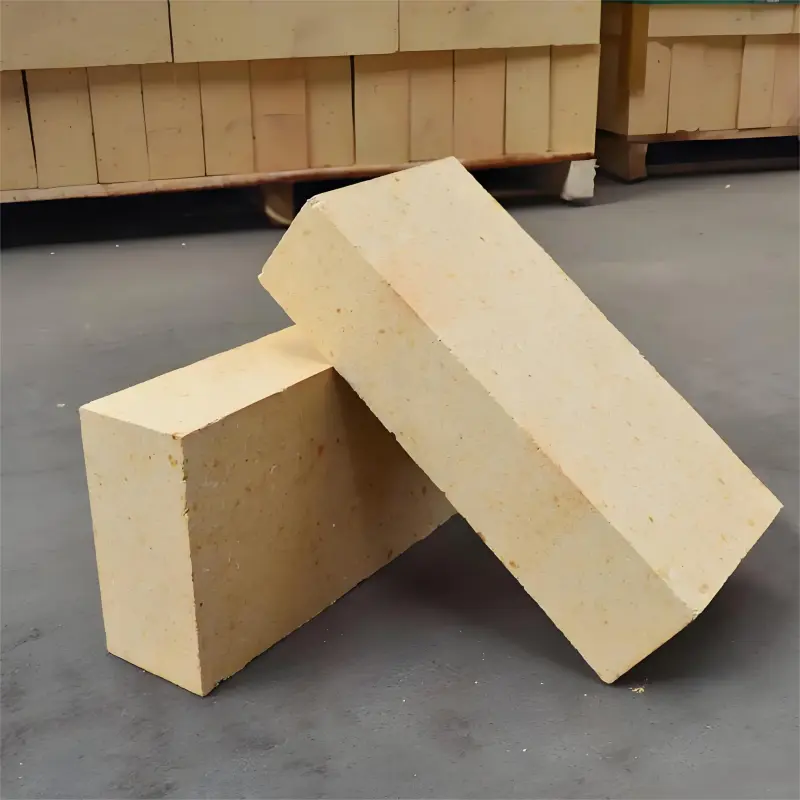
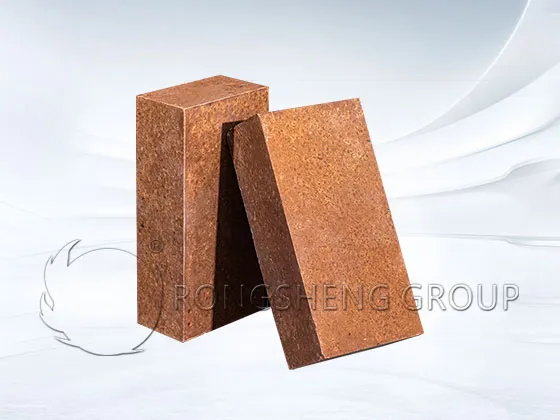
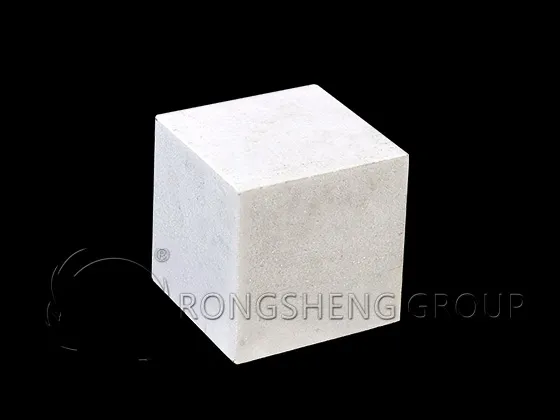
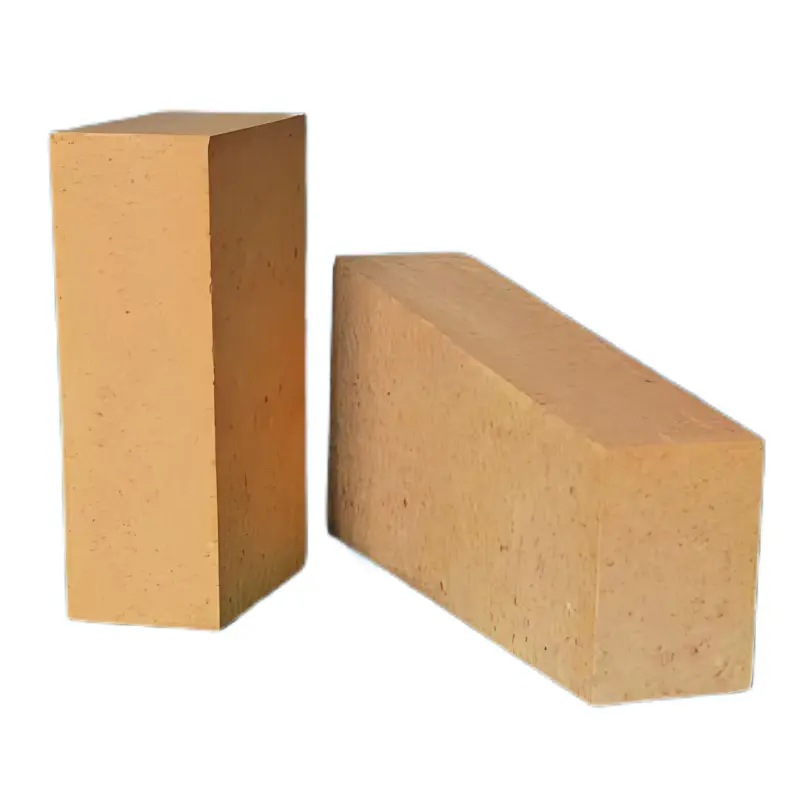
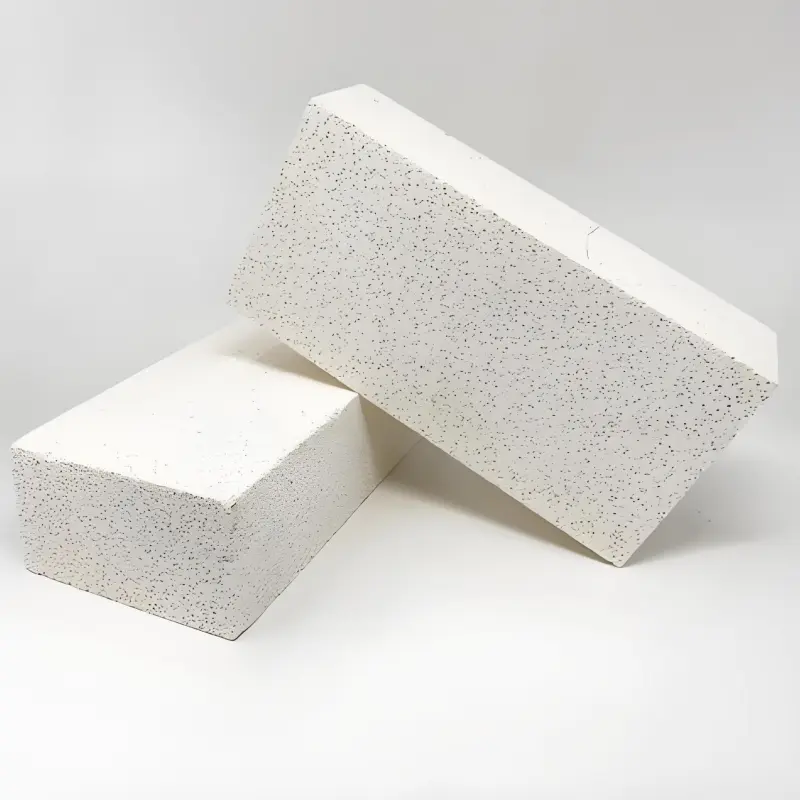
For over two decades, Zhengzhou Rongsheng Refractory Material Co., Ltd. has been trusted by global manufacturers—from steel mills to cement plants—for producing high-quality refractory bricks that stand up to extreme heat and wear. Their premium high-alumina bricks are not just another material—they’re a performance-driven solution engineered to reduce downtime, lower operating costs, and boost equipment lifespan across high-temperature industries.
Unlike standard firebricks, Rongsheng’s high-alumina refractory bricks contain over 75% alumina (Al₂O₃), which gives them a melting point exceeding 1,800°C—ideal for kilns, ladles, and furnaces in metallurgy and ceramics. With ISO 9001, CE, and ASTM C27 standards certified, these bricks offer:
A case study from a leading Indian steel plant shows how switching to Rongsheng’s bricks reduced furnace lining replacement frequency from every 4 months to 9 months—an increase in service life by 125%. The plant saved $42,000 annually in maintenance and labor costs, while improving production consistency.
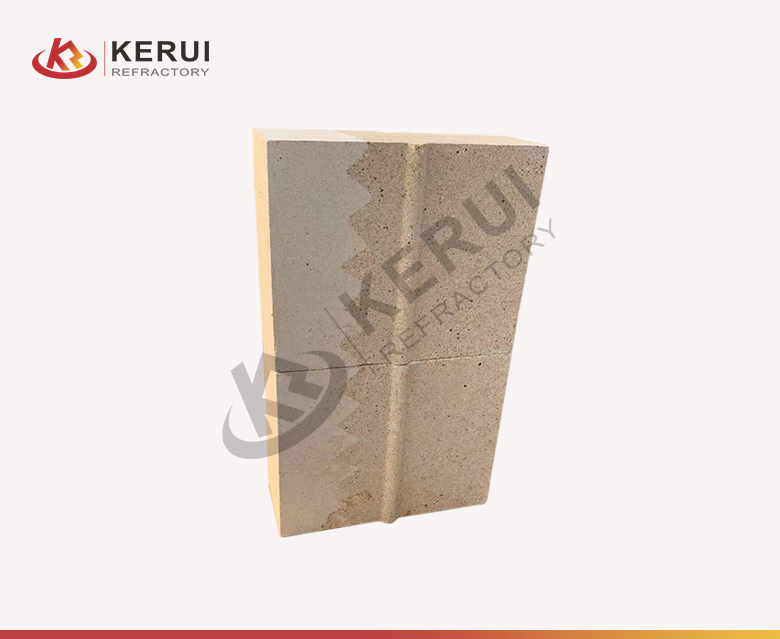
To get the most out of your investment:
These simple steps can extend brick life by up to 30%, turning your refractory system into a long-term asset—not a recurring expense.
Get a free technical consultation + sample kit for your next project.
Download Our High-Alumina Refractory Guide Now 227
|
227
|
 Composite AZS bricks
Glass furnace refractory selection
AZS refractory brick series
Glass manufacturing refractory materials
Refractory corrosion resistance
175
|
high alumina refractory brick
energy efficiency in industry
refractory material cost savings
industrial refractory solutions
low thermal conductivity refractory
267
|
high-alumina refractory bricks
refractory brick procurement
thermal stability refractory
low thermal conductivity bricks
chemical corrosion resistant refractory
302
|
high-purity chrome corundum refractory bricks
refractory material customization
high-temperature kiln energy-saving solutions
industrial refractory brick technology
internationally certified refractory materials
489
|
low-density refractory brick
alumina-zirconia foam brick
industrial kiln energy efficiency
high-temperature refractory applications
custom refractory solutions
Composite AZS bricks
Glass furnace refractory selection
AZS refractory brick series
Glass manufacturing refractory materials
Refractory corrosion resistance
175
|
high alumina refractory brick
energy efficiency in industry
refractory material cost savings
industrial refractory solutions
low thermal conductivity refractory
267
|
high-alumina refractory bricks
refractory brick procurement
thermal stability refractory
low thermal conductivity bricks
chemical corrosion resistant refractory
302
|
high-purity chrome corundum refractory bricks
refractory material customization
high-temperature kiln energy-saving solutions
industrial refractory brick technology
internationally certified refractory materials
489
|
low-density refractory brick
alumina-zirconia foam brick
industrial kiln energy efficiency
high-temperature refractory applications
custom refractory solutions