In today's competitive industrial landscape, where production efficiency and safety are paramount, the selection of high-quality refractory materials directly impacts operational success. Industries ranging from steel manufacturing to glass production rely heavily on refractory solutions that can withstand extreme temperatures exceeding 1600°C while maintaining structural integrity. Recent industry reports indicate that poor-quality refractory materials account for approximately 23% of unplanned downtime in high-temperature industrial processes, resulting in average losses of $420,000 per incident for mid-sized manufacturing facilities.
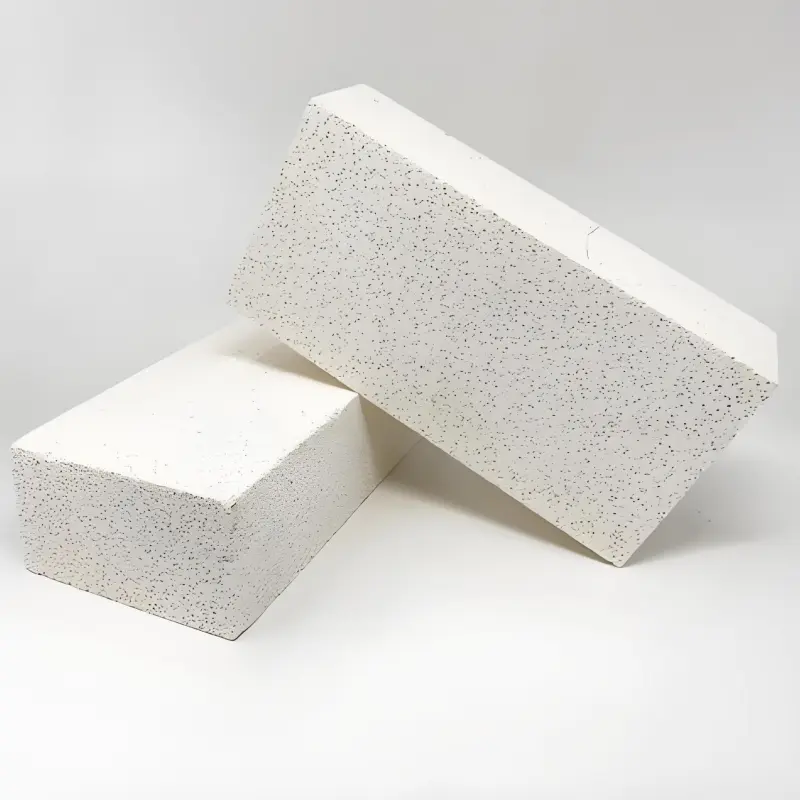
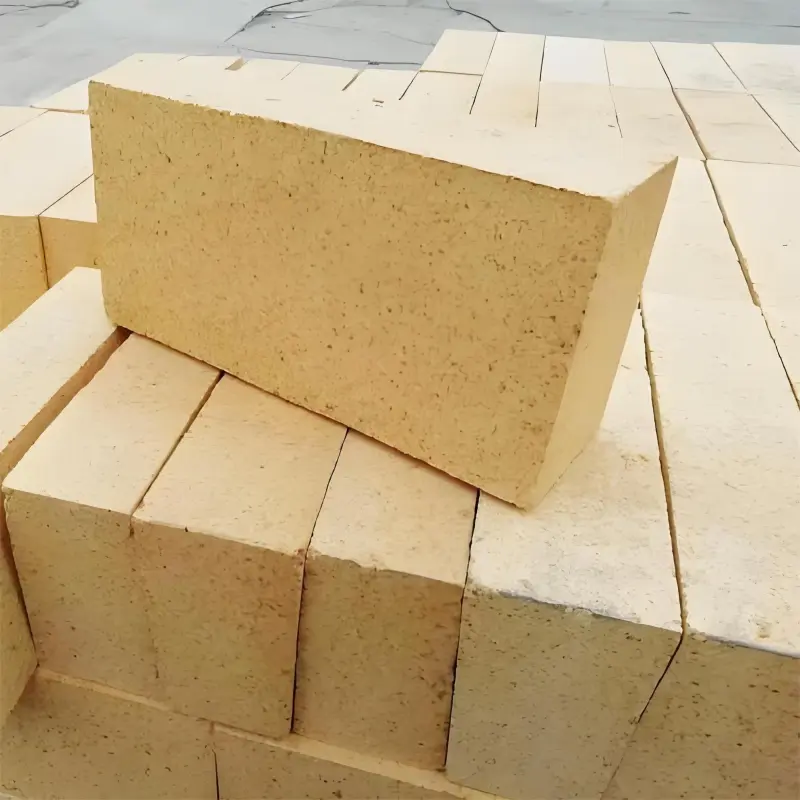
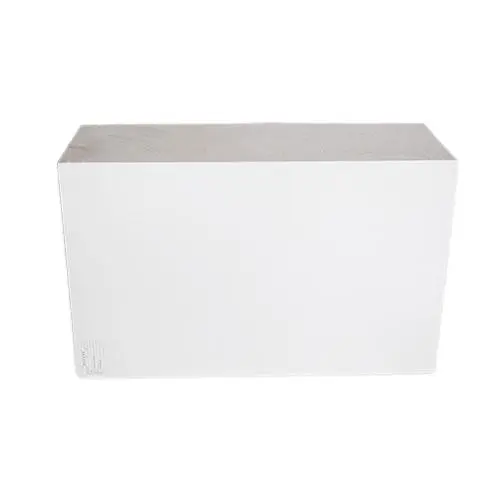
At the core of reliable refractory performance lies the alumina content, which directly correlates with temperature resistance and structural stability. High-performance alumina refractory bricks, typically containing over 75% Al₂O₃, offer exceptional thermal shock resistance and mechanical strength compared to conventional fireclay alternatives. Laboratory testing shows that bricks with 80% alumina content can withstand continuous operating temperatures up to 1750°C, while maintaining flexural strength of 18 MPa at 1000°C—properties that translate to 30% longer service life in industrial kilns.
These advanced materials provide superior resistance to chemical corrosion from acidic and alkaline slags, a common challenge in steelmaking and non-ferrous metallurgy. Field data from steel plants using high-alumina bricks demonstrate a 40% reduction in maintenance requirements compared to standard refractory solutions, directly contributing to enhanced production efficiency and lower operational costs.
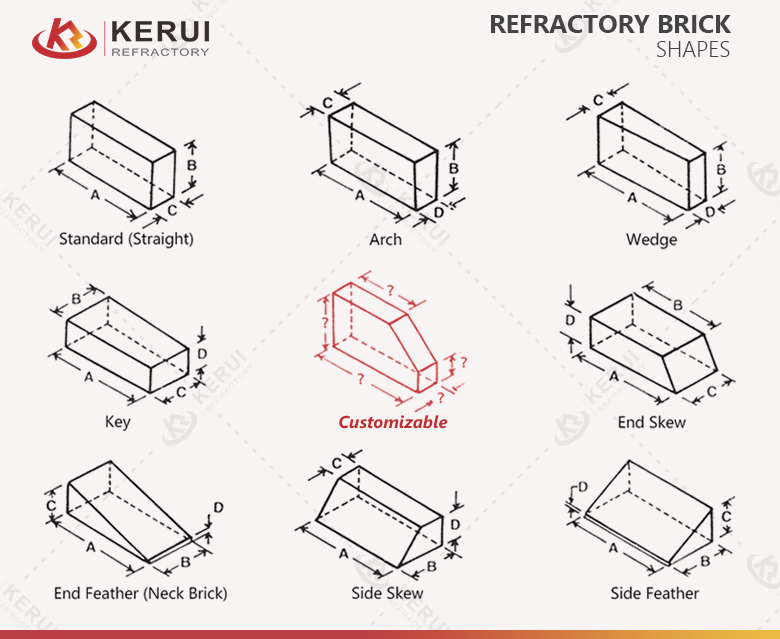
Modern refractory manufacturers offer tailored solutions to meet the unique demands of different industrial sectors. For the steel industry, where temperatures frequently exceed 1650°C and molten metal contact is constant, dense high-alumina bricks (with Al₂O₃ content above 85%) provide the necessary abrasion resistance and thermal stability. Glass manufacturers, facing aggressive alkali environments, benefit from specialized formulations containing zirconia additives that reduce devitrification and extend furnace life by up to 25%.
Ceramic producers, operating at moderate temperatures but requiring precise thermal control, utilize medium-alumina bricks (75-80% Al₂O₃) that balance heat retention with energy efficiency. These application-specific products ensure optimal performance while minimizing material waste and energy consumption—critical factors in today's sustainability-focused manufacturing environment.
In the global marketplace, ISO 9001 and CE certifications serve as essential quality benchmarks for industrial buyers. ISO 9001 certification ensures a comprehensive quality management system from raw material selection through production and testing, while CE marking indicates compliance with European Union safety, health, and environmental protection standards—critical for market access in Europe and many other regions.
For industrial wholesalers and exporters, these certifications streamline market entry and build buyer confidence. A recent survey of industrial procurement managers revealed that 87% prioritize certified refractory products, citing quality consistency and regulatory compliance as primary decision factors. Certified products typically command 15-20% price premiums in international markets while reducing importation delays and compliance-related risks.
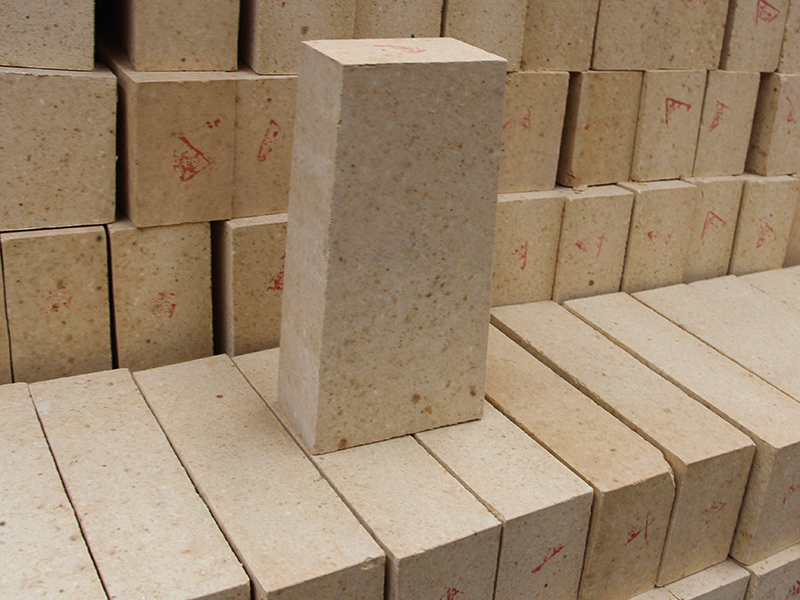
Manufacturers of all sizes have experienced tangible benefits from implementing certified high-alumina refractory solutions. A mid-sized steel producer in Germany reported a 32% reduction in kiln maintenance costs after switching to high-alumina bricks, while a glass manufacturer in the United States documented a 18% increase in production output due to reduced downtime. Even small to medium enterprises have seen positive impacts, with one ceramic tile producer in Italy achieving 23% energy savings through improved thermal insulation properties.
These case studies demonstrate that the initial investment in quality refractory materials delivers substantial returns through extended service life, reduced maintenance, and improved energy efficiency. In an industry where profit margins often depend on operational efficiency, these benefits directly contribute to competitive advantage and long-term business sustainability.
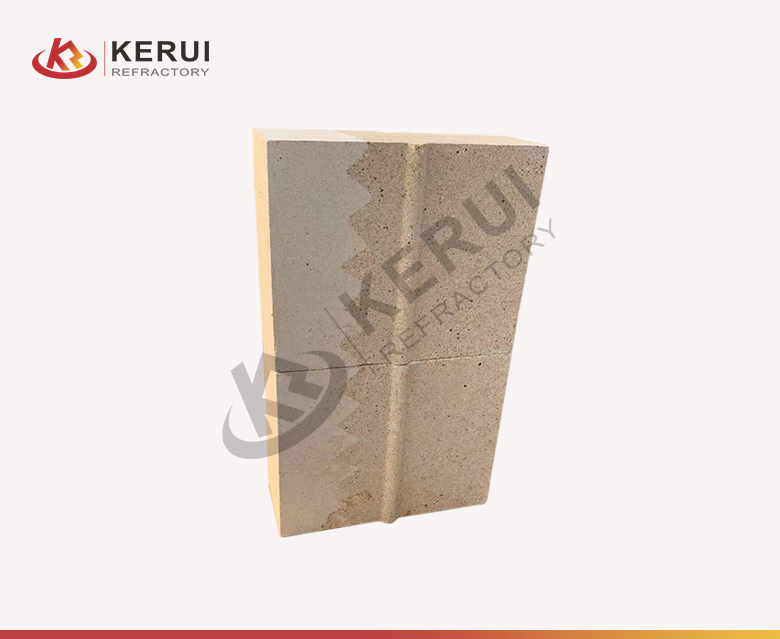
Discover how our ISO 9001 and CE certified high-alumina refractory solutions can reduce your operational costs while improving safety and productivity.
Request Your Custom Refractory ConsultationAs industrial processes continue to evolve toward higher temperatures and greater efficiency requirements, the importance of selecting the right refractory materials becomes increasingly critical. Manufacturers that prioritize quality, certification, and technical performance will position themselves for success in an increasingly competitive global marketplace. The choice of refractory materials is not merely a purchasing decision but a strategic investment in operational reliability, safety, and long-term profitability.
 137
|
137
|
 high purity chrome zirconia alumina brick
glass furnace refractory
refractory brick customization
high temperature refractory solution
industrial refractory materials
448
|
high alumina refractory bricks
refractory brick maintenance tips
high temperature refractory materials
refractory brick cost efficiency
industrial refractory solutions
383
|
high-alumina firebrick
refractory brick cost performance
wear resistance refractory materials
high-temperature firebrick
industrial energy saving
293
|
Composite alumina - zirconia - silica bricks
Glass melt corrosion - resistant refractories
Glass manufacturing refractory bricks
Customized refractory solutions
Refractory applications in glass industry
155
|
international logistics process
foreign trade shipping steps
international freight operations
logistics for beginners
customs clearance guide
high purity chrome zirconia alumina brick
glass furnace refractory
refractory brick customization
high temperature refractory solution
industrial refractory materials
448
|
high alumina refractory bricks
refractory brick maintenance tips
high temperature refractory materials
refractory brick cost efficiency
industrial refractory solutions
383
|
high-alumina firebrick
refractory brick cost performance
wear resistance refractory materials
high-temperature firebrick
industrial energy saving
293
|
Composite alumina - zirconia - silica bricks
Glass melt corrosion - resistant refractories
Glass manufacturing refractory bricks
Customized refractory solutions
Refractory applications in glass industry
155
|
international logistics process
foreign trade shipping steps
international freight operations
logistics for beginners
customs clearance guide