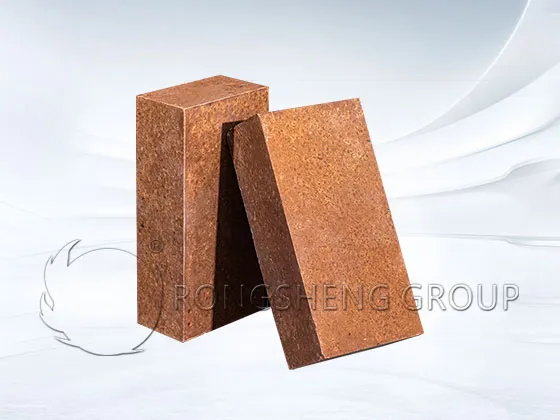
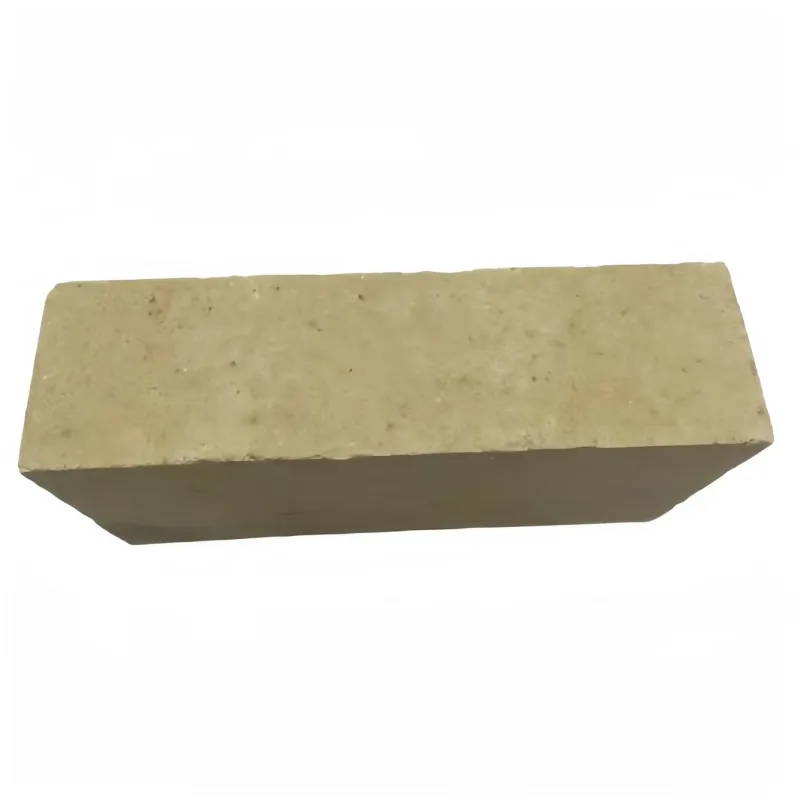
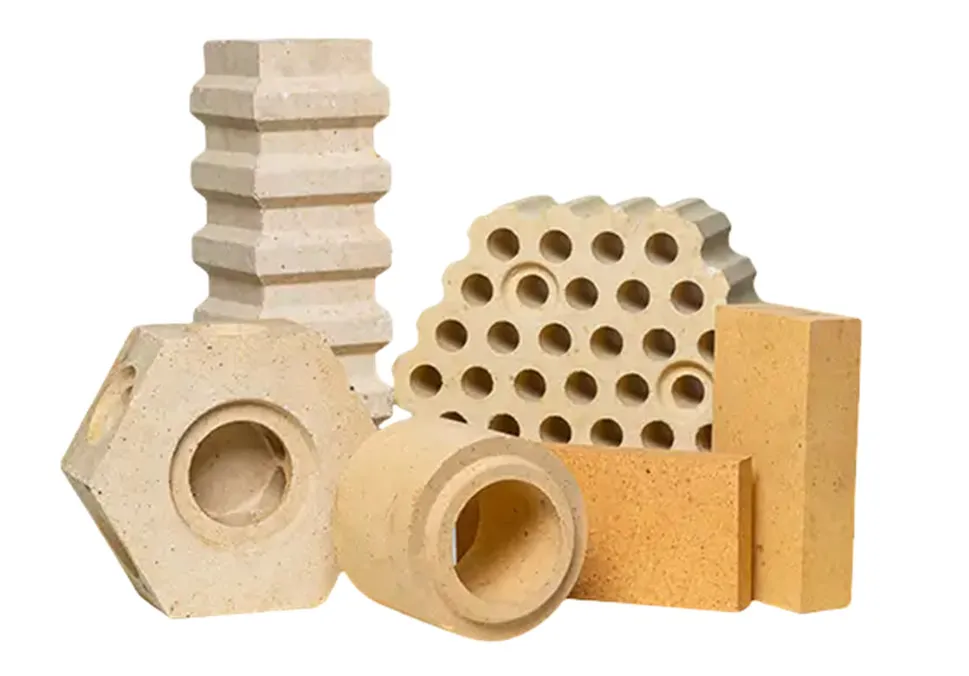
In high-temperature industrial sectors such as glass manufacturing, steelmaking, and ceramics production, companies often grapple with a series of challenges. Equipment frequently suffers from severe damage due to the extreme heat and corrosive environments, leading to shortened service lives. For instance, some furnaces need to be replaced every 1 - 2 years, incurring significant capital expenditures. Moreover, high energy consumption is a persistent headache, with energy costs sometimes accounting for up to 30 - 40% of the total production cost. In addition, the high maintenance frequency and costs associated with damaged equipment further erode profit margins. These issues have a direct impact on production efficiency and overall business profitability.
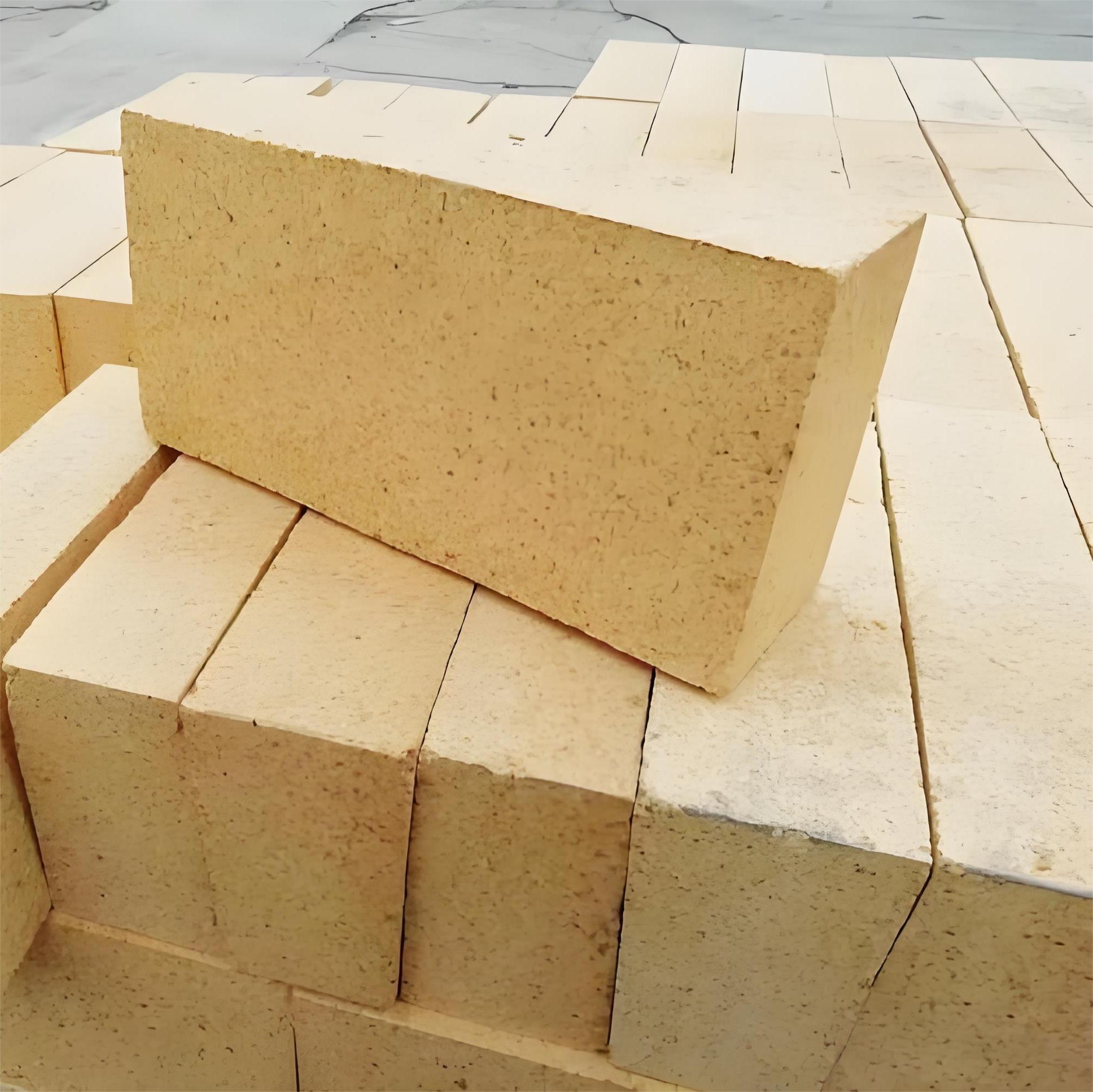
One of the most remarkable features of high-purity chrome zirconia corundum bricks is their excellent thermal stability. They can withstand rapid temperature changes without cracking or spalling. This property is crucial in high-temperature processes where temperature fluctuations are common. For example, during the start-up and shutdown of a glass furnace, the temperature can vary from room temperature to over 1,000°C. The high thermal stability of these bricks ensures the integrity of the furnace lining, preventing heat leakage and maintaining a stable working environment.
The refractory degree of high-purity chrome zirconia corundum bricks is in the range of 1770°C to 2000°C. This high refractory capacity allows them to be used in the most extreme high-temperature environments, such as the melting zones of glass furnaces. Compared with other common refractory materials, which may have a refractory limit of around 1500 - 1600°C, these bricks offer a much wider safety margin in high-temperature applications.
"The high refractory degree of these bricks has significantly improved the performance of our glass furnace. We no longer have to worry about the lining being damaged by high temperatures." - A glass factory manager
In high-temperature industrial environments, the refractory materials are often exposed to various corrosive substances, such as molten metals, acids, and alkalis. High-purity chrome zirconia corundum bricks have a unique anti-chemical erosion mechanism. Their chemical composition and crystal structure prevent the penetration of corrosive substances, protecting the bricks from chemical damage. This leads to a longer service life and lower maintenance requirements.
The low porosity of these bricks is another significant advantage. A low-porosity structure reduces the infiltration of hot gases and molten substances, which in turn reduces heat loss and improves energy efficiency. Additionally, it also enhances the mechanical strength of the bricks, making them more resistant to mechanical wear and tear in high-temperature environments.
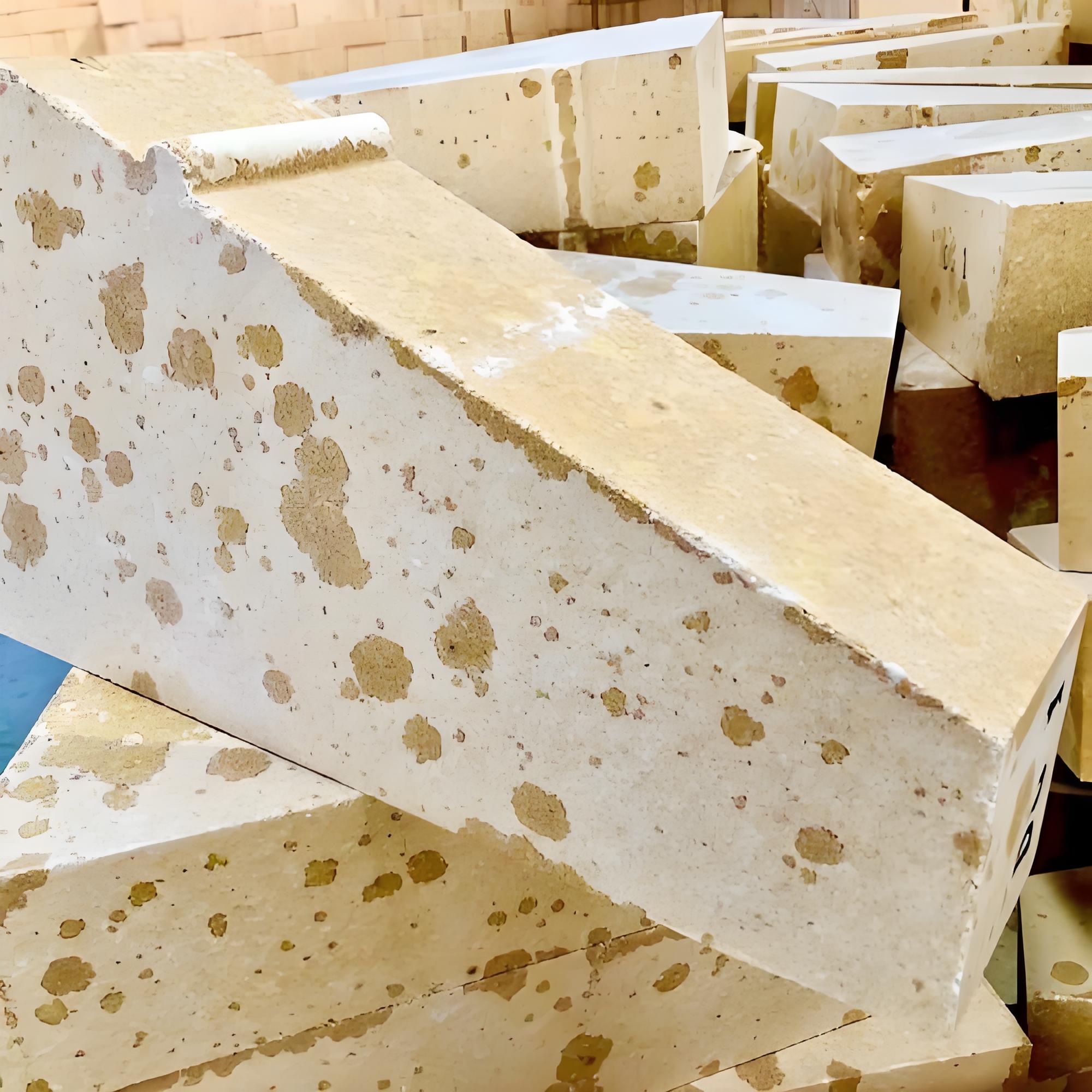
Our high-purity chrome zirconia corundum bricks have obtained ISO and CE certifications, which are internationally recognized symbols of quality and reliability. The ISO certification ensures that the products are manufactured in strict accordance with international quality management systems, while the CE certification indicates that the products meet the safety, health, and environmental protection requirements of the European market. These certifications not only demonstrate our commitment to quality but also provide our customers with greater confidence in our products.
We understand that different high-temperature industrial processes have diverse requirements for refractory materials. That's why we offer customized services, allowing us to adjust the size and composition of the bricks to meet specific process needs. Whether it's a small-scale laboratory furnace or a large-scale industrial glass furnace, our customized high-purity chrome zirconia corundum bricks can provide the most suitable solution.
A glass factory in [location] adopted our high-purity chrome zirconia corundum bricks as the lining material for its glass furnace. After implementation, the service life of the furnace was extended by 30%, from the original 18 months to 23.4 months. At the same time, the maintenance frequency was significantly reduced, from 4 times a year to 2 - 3 times a year. These improvements not only saved the factory a large amount of maintenance costs but also increased the production continuity and efficiency, resulting in a substantial increase in overall profitability.
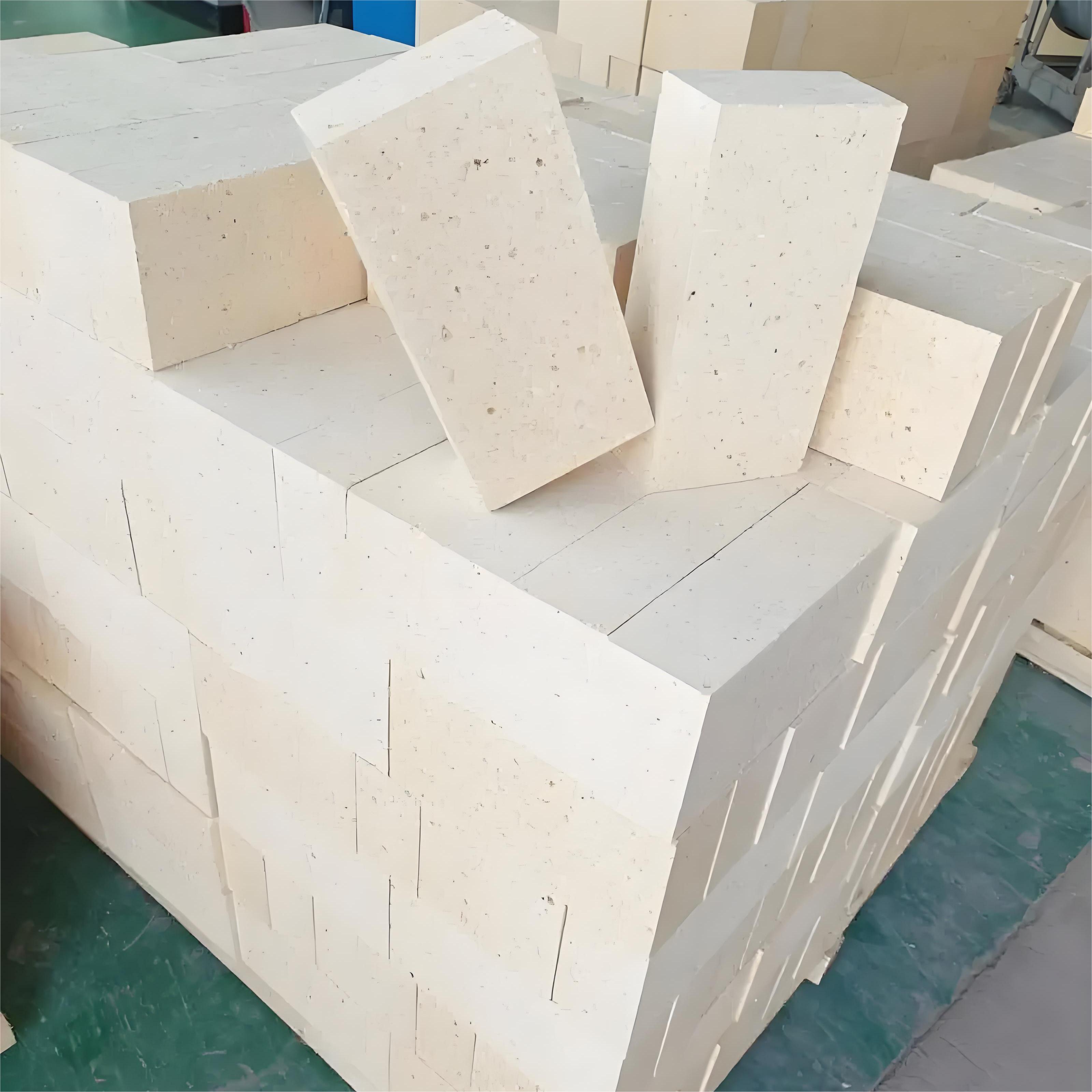
The high-temperature refractory material industry is evolving from a focus on single materials to a more comprehensive system solution approach. In addition to providing high-quality refractory materials, companies are now expected to offer integrated solutions that include material selection, installation, maintenance, and after-sales support. Our company is at the forefront of this trend, committed to providing our customers with one-stop high-temperature refractory solutions.
Are you facing challenges with high-temperature equipment in your industry? How do you think high-purity chrome zirconia corundum bricks can help you? Leave your comments below and let's discuss!
Explore High-Purity Chrome Zirconia Corundum Bricks Now 57
|
57
|
 cast mullite bricks metallurgical refractory materials high-temperature applications corrosion resistance refractory thermal stability refractory
197
|
B2B export sales strategies refractory material website optimization industrial product lead generation international buyer engagement SEO for heavy industry products
234
|
Refractory brick international certification Low-density corundum-mullite brick High-temperature kiln materials ISO9001 refractory materials CE-certified refractory bricks
373
|
Refractory brick application solutions Low-density corundum - mullite bricks High-temperature industrial refractory materials Steel smelting refractory materials Cement kiln refractory bricks
121
|
high alumina refractory bricks B2B export strategy refractory industry terms international trade communication refractory material applications
cast mullite bricks metallurgical refractory materials high-temperature applications corrosion resistance refractory thermal stability refractory
197
|
B2B export sales strategies refractory material website optimization industrial product lead generation international buyer engagement SEO for heavy industry products
234
|
Refractory brick international certification Low-density corundum-mullite brick High-temperature kiln materials ISO9001 refractory materials CE-certified refractory bricks
373
|
Refractory brick application solutions Low-density corundum - mullite bricks High-temperature industrial refractory materials Steel smelting refractory materials Cement kiln refractory bricks
121
|
high alumina refractory bricks B2B export strategy refractory industry terms international trade communication refractory material applications