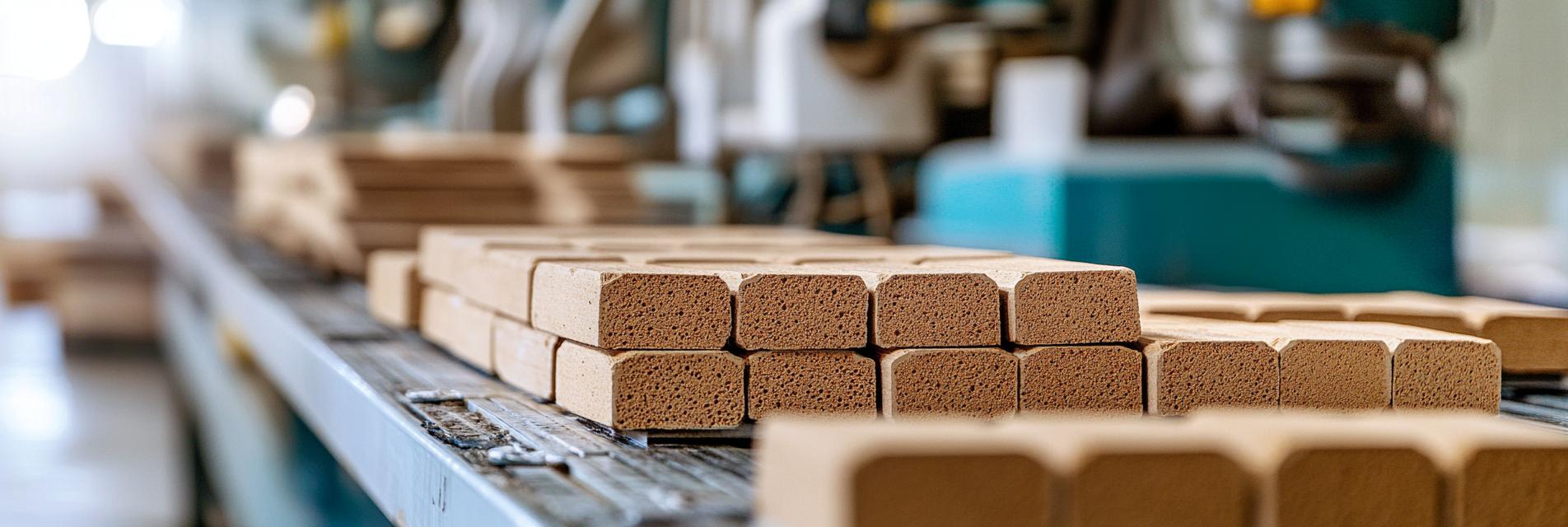
Lightweight mullite bricks are essential in various high-performance applications due to their excellent thermal stability and high mechanical strength. However, the assurance of their quality is crucial for optimal performance. This article will delve into effective methods to assess the quality of these materials, highlighting testing techniques and standards that are industry benchmarks.
Lightweight mullite bricks are utilized in industries such as metallurgy, ceramics, and refractories because of their unique properties. Mullite, a form of aluminum silicate, contributes to these bricks' resistance to thermal shock and corrosion, making quality assessment integral in selecting suitable materials for demanding environments.
Quality assessment ensures that the bricks meet the required performance standards to withstand harsh thermal and mechanical conditions. This evaluation process not only guarantees durability but also optimizes operational efficiency and safety in applications.
Several established testing methods can be employed to assess the quality of lightweight mullite bricks:
Compliance with industry standards such as ASTM C1559 for refractory brick testing is essential during quality assessment. These standards ensure that lightweight mullite bricks are manufactured and tested under strict regulatory conditions, promoting consistency and reliability.
In conclusion, the quality assessment of lightweight mullite bricks involves a comprehensive evaluation of specific properties through various testing methods. Adhering to industry standards not only ensures the durability and reliability of these ceramic materials but also significantly impacts operational success in high-performance applications.

 177
|
177
|
 high-temperature refractory materials
material properties
thermal resistance
industrial applications
high-temperature refractory materials
material properties
thermal resistance
industrial applications
 399
|
refractory materials
shotcrete casting
construction efficiency
399
|
refractory materials
shotcrete casting
construction efficiency
.jpg?x-oss-process=image/resize,h_300,m_lfit/format,webp) 198
|
refractory materials
industrial applications
material innovation
heat resistance
performance comparison
198
|
refractory materials
industrial applications
material innovation
heat resistance
performance comparison
 90
|
lightweight insulation bricks
high-alumina thermal bricks
thermal insulation materials
90
|
lightweight insulation bricks
high-alumina thermal bricks
thermal insulation materials
 297
|
recycled refractory materials
sustainability
ceramic production
industrial applications
environmentally friendly materials
297
|
recycled refractory materials
sustainability
ceramic production
industrial applications
environmentally friendly materials








.jpg?x-oss-process=image/resize,m_fill,h_100,w_100/format,webp)
.jpg?x-oss-process=image/resize,m_fill,h_100,w_100/format,webp)