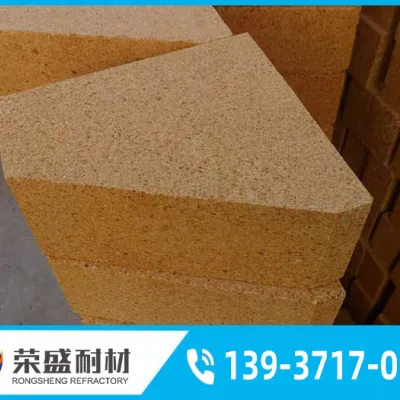
Selecting suitable high-temperature coating materials is crucial for the effectiveness and longevity of equipment used in extreme conditions. This article aims to provide a detailed guide on how to make informed decisions when choosing these materials, helping organizations improve their maintenance strategies.
High-temperature coating materials are designed to withstand elevated temperatures without losing their protective qualities. They are vital in industries such as aerospace, power generation, and manufacturing, where components are often exposed to heat, corrosion, and wear.
There are various types of high-temperature coating materials available, including:
When choosing the right high-temperature coating material, several factors must be taken into account:
It is essential to know the maximum operating temperature of your equipment. Different materials have varying temperature tolerances, and the right choice will depend on the specific conditions in which the equipment operates.
Consider the chemicals and environmental factors the coating will encounter. The right material should defend against corrosive elements and maintain its integrity under challenging conditions.
Evaluate how the coating will be applied. Some materials may require specific techniques such as spraying, dipping, or brushing, which can impact labor costs and application efficiency.
Balancing cost with performance is critical. While some high-temperature materials may have a higher upfront cost, their longevity and reduced maintenance needs may justify the investment.

Selecting the appropriate high-temperature coating material is not a daunting task when the right factors are considered. With the right information, organizations can enhance their equipment maintenance efficiency, reduce downtime, and improve overall operational effectiveness. By following the guidelines outlined in this article, decision-makers can protect their assets effectively against high-temperature challenges.
 418
|
418
|
 Blast furnace spray coating process
Refractory manufacturing
Intelligent production line
Blast furnace spray coating process
Refractory manufacturing
Intelligent production line
 451
|
High temperature kiln
Refractory materials
Reinforcement modifier
Energy-saving technology
Refractory Fiber
451
|
High temperature kiln
Refractory materials
Reinforcement modifier
Energy-saving technology
Refractory Fiber
 312
|
Refractory Brick Market
market trend
Industry Development
347
|
Blast furnace spray coating process
Refractory manufacturing
Intelligent production line
312
|
Refractory Brick Market
market trend
Industry Development
347
|
Blast furnace spray coating process
Refractory manufacturing
Intelligent production line