As an industrial professional, I understand the critical role that kiln equipment plays in our manufacturing processes. Regular and thorough maintenance not only extends the lifespan of kilns but also enhances their efficiency and reduces operational costs. By adopting proactive maintenance strategies, we can prevent unexpected downtimes that can be financially draining.
To increase the lifespan of kiln equipment, we should implement several key practices. This includes routine inspections, timely repairs, and investing in quality replacement parts. Studies have shown that scheduled maintenance can increase equipment lifespan by up to 30%, highlighting its significance in industrial settings.
Incorporating best practices such as proper loading techniques and using high-quality refractory materials ensures that kilns operate efficiently. These practices not only improve performance but also reduce energy consumption, ultimately driving down costs.

As technology advances, we have access to innovative solutions designed specifically for kiln maintenance. Implementing smart sensors can provide real-time data on equipment performance, allowing for predictive maintenance and reducing the risk of unexpected failures.
In conclusion, enhancing the lifespan of kiln equipment is achievable through dedicated maintenance practices and the incorporation of innovative technologies. By prioritizing these strategies, we safeguard our investments and ensure the efficient operation of our industrial kilns.

 361
|
361
|
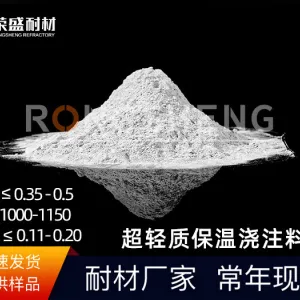
 Ultra-lightweight insulating castables
Chemical enterprises
Energy saving
Environmental protection
Efficient insulation
Ultra-lightweight insulating castables
Chemical enterprises
Energy saving
Environmental protection
Efficient insulation
 312
|
bauxite content
American bricks
alumina in bricks
construction materials
sustainable building
312
|
bauxite content
American bricks
alumina in bricks
construction materials
sustainable building
 168
|
Mullite Insulation Brick
Lightweight Insulation Materials
Energy Efficiency
Thermal Performance
168
|
Mullite Insulation Brick
Lightweight Insulation Materials
Energy Efficiency
Thermal Performance
.jpg?x-oss-process=image/resize,h_300,m_lfit/format,webp) 142
|
high alumina bricks
energy-saving insulation
efficient thermal insulators
142
|
high alumina bricks
energy-saving insulation
efficient thermal insulators
 43
|
medium frequency furnace
dry vibrating material
casting process
foundry technology
metal casting
43
|
medium frequency furnace
dry vibrating material
casting process
foundry technology
metal casting