In the world of high-temperature industrial processes, the durability and performance of refractory materials are crucial. Many traditional refractory materials fail to maintain their integrity under extreme conditions, leading to costly downtimes and inefficiencies.
Incorporating zinc compounds into refractory formulations presents a promising solution. Zinc has unique properties that enhance the thermal stability and chemical resistance of these materials. By modifying the microstructure of refractories, zinc improves their overall performance in high-temperature environments.
.jpg)
The incorporation of zinc compounds significantly enhances the thermal shock resistance and mechanical strength of refractories, making them ideal for use in furnaces, kilns, and other high-stress environments. The improved chemical resistance also allows for better stability when exposed to corrosive conditions, extending the life of refractory linings.

When considering the integration of zinc compounds, it's important to analyze the specific performance requirements of your application. Testing various formulations can reveal the optimal model for your specific conditions, ensuring maximum durability and efficiency.
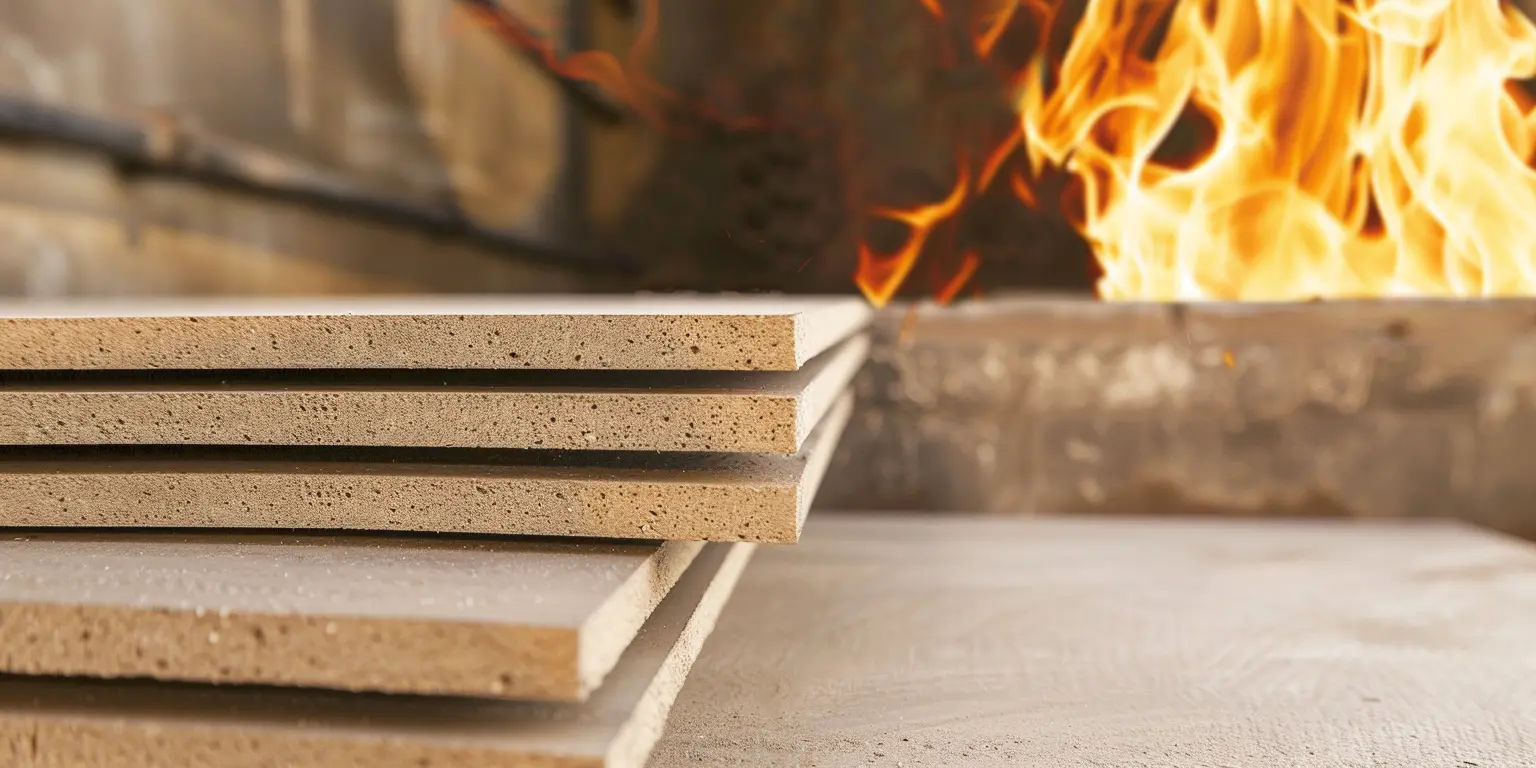
In summary, zinc compounds play an essential role in enhancing the performance of refractory materials. Their ability to improve thermal stability and chemical resistance makes them invaluable for high-temperature applications, ultimately leading to more efficient operations and reduced costs. By adopting these innovative solutions, industries can achieve sustainable growth and maintain a competitive edge.
.jpg?x-oss-process=image/resize,h_300,m_lfit/format,webp)
 294
|
294
|
 High performance refractory materials
Refractory Advantages
Refractory Application
High performance refractory materials
Refractory Advantages
Refractory Application
.jpg?x-oss-process=image/resize,h_300,m_lfit/format,webp) 367
|
Induction furnace
coil mastic
petrochemical applications
industrial solutions
heat management
367
|
Induction furnace
coil mastic
petrochemical applications
industrial solutions
heat management
.jpg?x-oss-process=image/resize,h_300,m_lfit/format,webp) 274
|
Medium frequency furnace
Dry vibrating material
Steel grade smelting
274
|
Medium frequency furnace
Dry vibrating material
Steel grade smelting
.jpg?x-oss-process=image/resize,h_300,m_lfit/format,webp) 160
|
Iron and steel metallurgy refractory bricks
Refractory materials
Metallurgical industry
160
|
Iron and steel metallurgy refractory bricks
Refractory materials
Metallurgical industry
.jpg?x-oss-process=image/resize,h_300,m_lfit/format,webp) 460
|
Acid resistant spray coating
Spraying technology
Industrial Applications
Anti-corrosion coating
460
|
Acid resistant spray coating
Spraying technology
Industrial Applications
Anti-corrosion coating






.jpg?x-oss-process=image/resize,m_fill,h_100,w_100/format,webp)
.jpg?x-oss-process=image/resize,m_fill,h_100,w_100/format,webp)
.jpg?x-oss-process=image/resize,m_fill,h_100,w_100/format,webp)
.jpg?x-oss-process=image/resize,m_fill,h_100,w_100/format,webp)