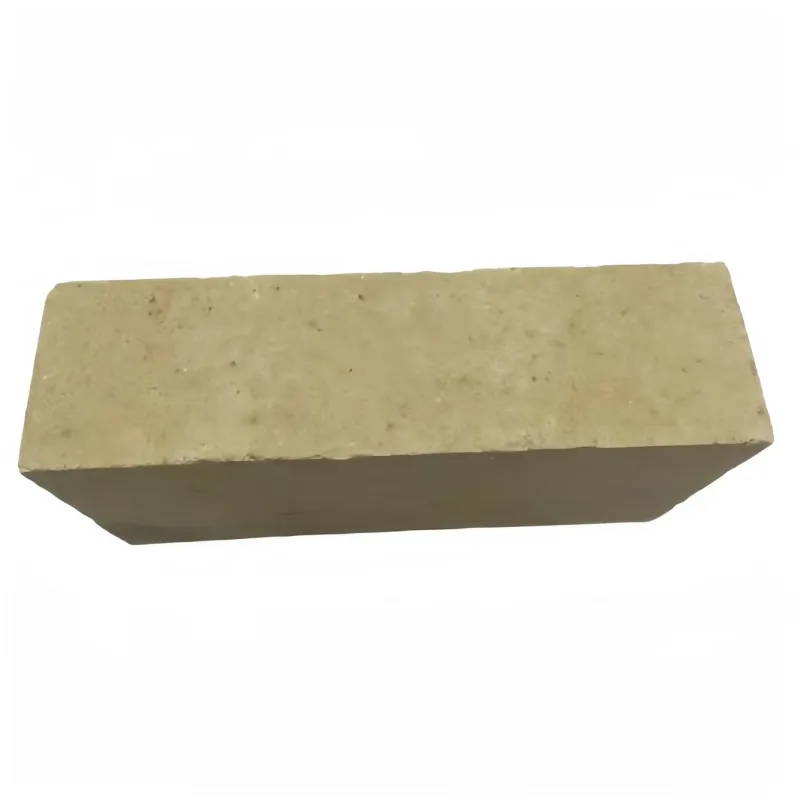
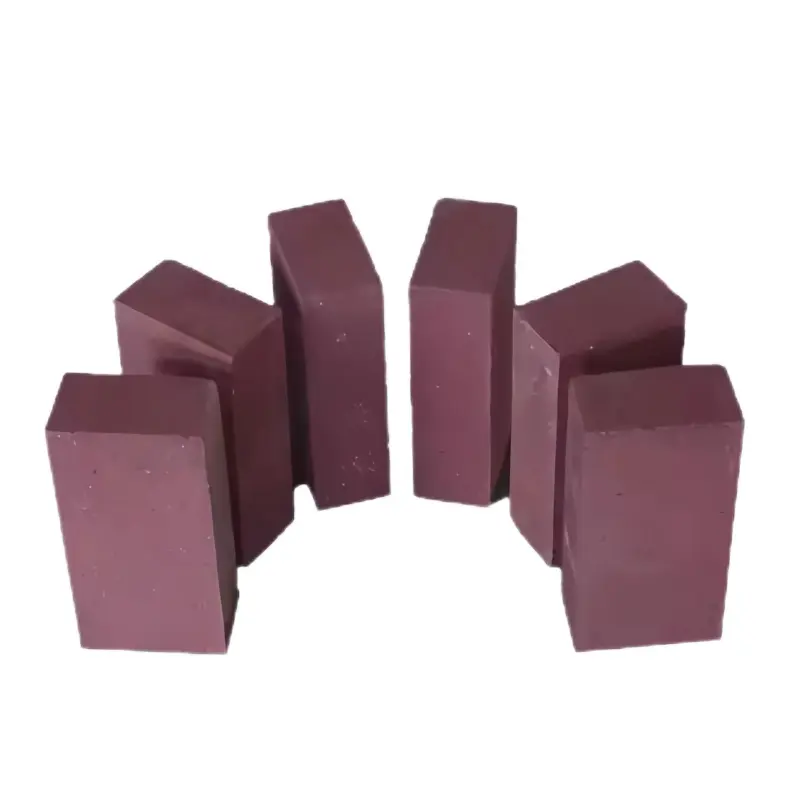
Industrial high-performance alumina refractory bricks play a crucial role in protecting furnace linings and maintaining operational safety in high-temperature industrial processes. Achieving international certifications such as ISO9001 and the CE mark goes beyond compliance—it guarantees the consistent quality, safety, and performance of refractory materials under extreme conditions. This article delves into how these certifications underpin production safety and operational reliability by establishing stringent quality management systems and safety criteria.
ISO9001 represents a globally recognized quality management system standard that requires manufacturers to implement rigorous control over all production stages. For alumina refractory bricks, ISO9001 certification ensures traceability, repeatability, and continuous improvement in material quality—factors essential for high-temperature durability.
The CE mark, meanwhile, is a mandatory conformity indication for products entering the European Economic Area (EEA). It certifies that refractory bricks meet European safety, health, and environmental protection requirements. Specifically, CE certification for these bricks confirms compliance with harmonized standards related to thermal resistance, mechanical strength, and environmental impact, thus safeguarding end-user operations.
For industrial applications, alumina refractory bricks must achieve stringent technical standards. Certified high-performance bricks typically contain over 75% Al₂O₃, providing exceptional resistance to slag attack and thermal shock. These bricks deliver superior refractoriness above 1780°C, mechanical compressive strength upwards of 90 MPa, and thermal stability that minimizes deformation during repeated heating cycles.
Such performance metrics are not merely nominal numbers but are verifiably controlled through standardized testing under ISO9001 protocols, ensuring that every production batch meets or exceeds expected durability and safety thresholds. This consistency is vital in complex furnaces for steelmaking, glass manufacturing, and petrochemical industries, where any sudden material failure can have catastrophic consequences.
Comparative analysis reveals significant differences in reliability and market credibility between certified and non-certified refractory bricks. Certified products provide:
By contrast, non-certified bricks often lack transparency in production standards, leading to inconsistent performance and higher maintenance costs.
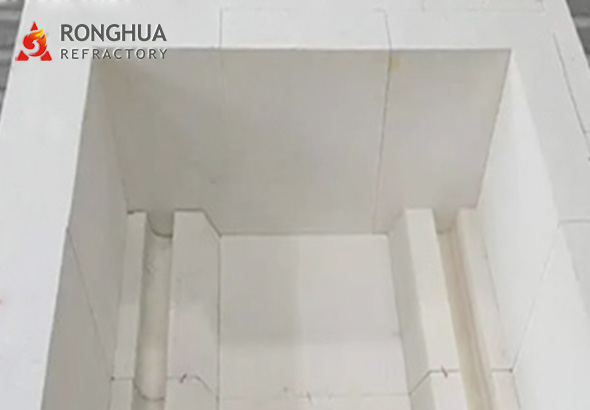
The alumina refractory brick market caters to diverse industrial needs through multi-grade products. Ranging from 75% to over 95% Al₂O₃ content, these bricks offer tailored solutions balancing cost-effectiveness with enhanced durability. Certified suppliers typically provide technical consulting to optimize grade selection based on specific furnace conditions—be it oxidative atmosphere, corrosive slag exposure, or thermal cycling.
This flexibility supports global manufacturers in different sectors—steel, cement, glass—addressing their unique challenges with appropriately graded alumina bricks backed by verifiable quality and safety standards.
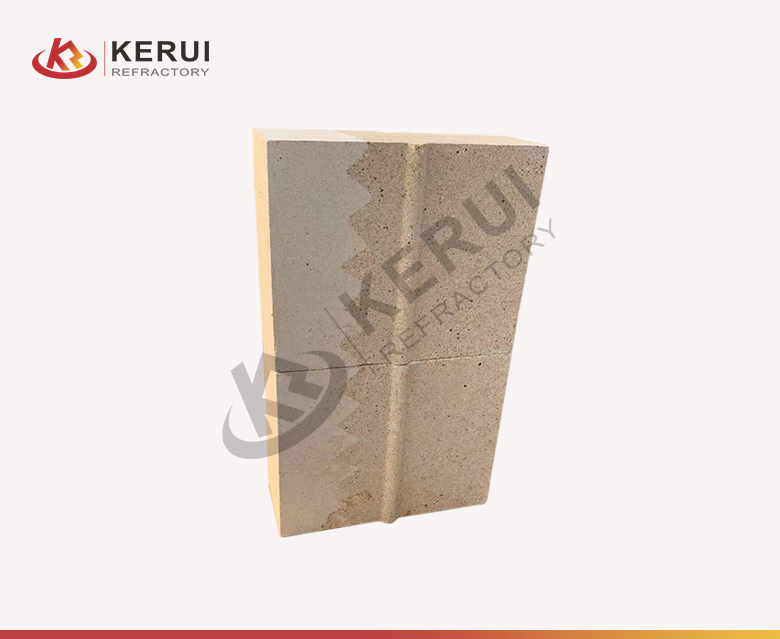
A global steel manufacturer recently transitioned to ISO9001- and CE-certified alumina bricks for its electric arc furnace lining. Post-implementation results showcased a 15% increase in furnace lining lifespan and a 10% reduction in unplanned downtime, attributed to improved thermal shock resistance and mechanical integrity. Such benefits not only protected capital investments but also optimized production throughput amid volatile market demand.
This case highlights that integrating certified refractory materials extends beyond compliance—it contributes direct operational ROI by mitigating risks associated with furnace failure, reducing maintenance labor, and ensuring consistent product quality.
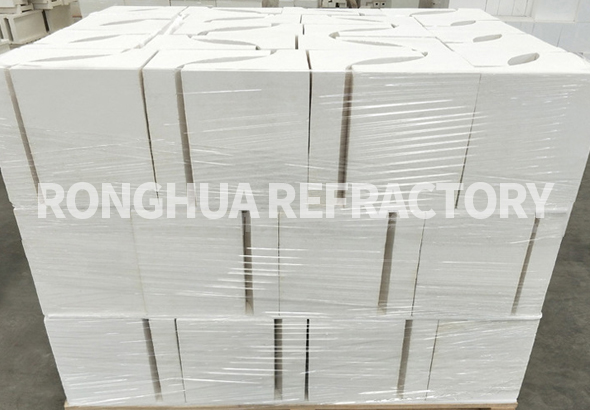
Maintaining ISO9001 and CE certification demands ongoing investment in production innovation and rigorous quality control. Continuous improvement initiatives such as advanced raw material sourcing, automated inspection technologies, and enhanced firing techniques keep alumina brick producers aligned with evolving international standards.
For industrial buyers, prioritizing certified bricks signals a commitment to long-term reliability and safety, as manufacturers are held accountable to transparent audit processes and systematic documentation.
 264
|
264
|
 low-density bauxite foam refractory bricks
high-temperature kiln refractory materials
refractory brick customization
energy efficiency improvement
kiln performance optimization
414
|
High - alumina refractory bricks
Refractory material manufacturers
High - temperature kiln solutions
Energy - saving refractory bricks
Industrial refractory materials
176
|
B2B export optimization
refractory brick product display
customer cognition strategy
diversified content marketing
global buyer insights
411
|
Corundum-mullite lightweight refractory bricks
High-temperature industry energy efficiency
Energy-saving refractory materials
Customized refractory solutions
Industrial emission reduction
295
|
Low - density bauxite foam refractory bricks
High - temperature kiln refractory materials
Refractory brick customization
Kiln energy - saving refractory bricks
Refractory brick performance improvement
low-density bauxite foam refractory bricks
high-temperature kiln refractory materials
refractory brick customization
energy efficiency improvement
kiln performance optimization
414
|
High - alumina refractory bricks
Refractory material manufacturers
High - temperature kiln solutions
Energy - saving refractory bricks
Industrial refractory materials
176
|
B2B export optimization
refractory brick product display
customer cognition strategy
diversified content marketing
global buyer insights
411
|
Corundum-mullite lightweight refractory bricks
High-temperature industry energy efficiency
Energy-saving refractory materials
Customized refractory solutions
Industrial emission reduction
295
|
Low - density bauxite foam refractory bricks
High - temperature kiln refractory materials
Refractory brick customization
Kiln energy - saving refractory bricks
Refractory brick performance improvement