As industries adapt to increasingly demanding high-temperature conditions, the need for effective refractory materials has never been more acute. Traditional refractory solutions may struggle to meet modern performance demands, pushing industries to seek innovative alternatives. The high-temperature environments not only put stress on materials but also affect the overall efficiency and sustainability of operations.
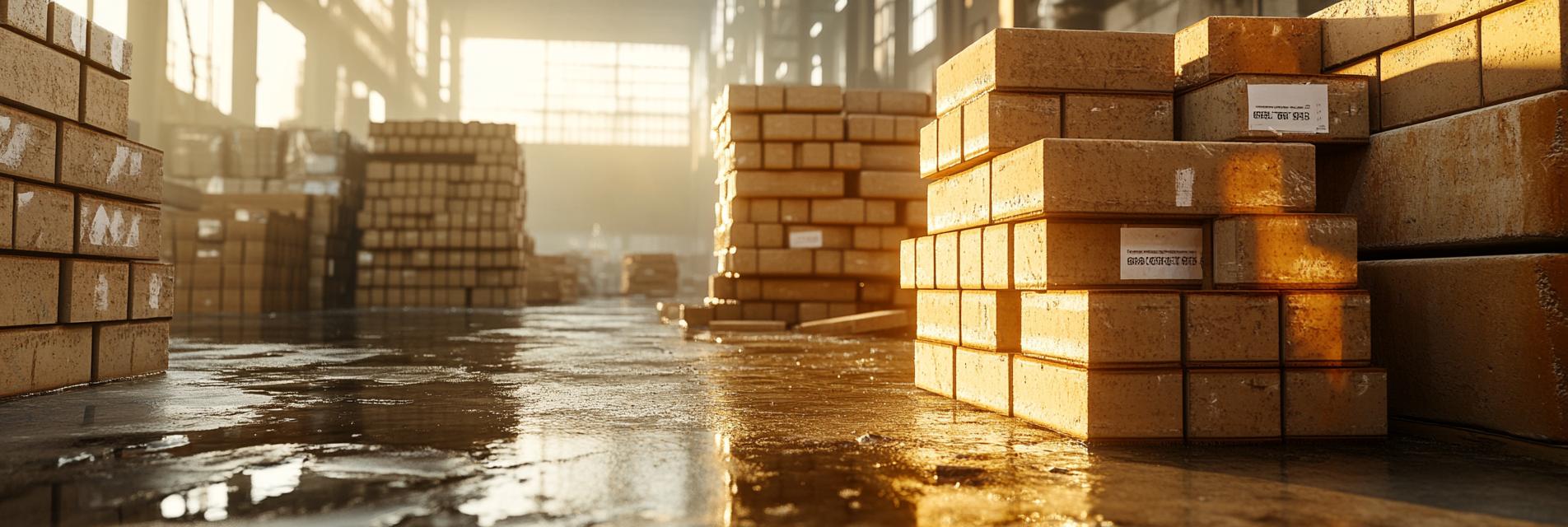
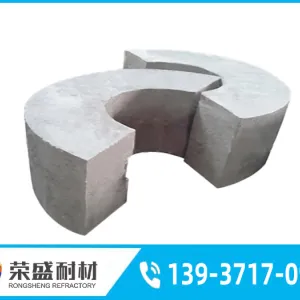
At the forefront of refractory material innovation are water-sloned wrapping blocks. Designed specifically for high-temperature environments, these materials combine exceptional insulating properties with enhanced strength, mitigating the risks posed by extreme heat. The unique composition of these blocks allows them to maintain structural integrity while effectively protecting other components from damage.
What sets water-sloned wrapping blocks apart from traditional options is their adaptability and thermal efficiency. They provide superior resistance to thermal shock and have a longer lifespan, leading to less frequent replacements and lower maintenance costs. This innovation not only addresses immediate challenges but also positions companies for sustainable growth by reducing downtime and improving operational efficiency.
In terms of market dynamics, the demand for advanced refractory materials is steadily increasing across various sectors including metallurgy, ceramics, and energy production. As businesses strive to enhance productivity while minimizing environmental impact, investing in innovative materials has become a focal point.
Going forward, companies must stay attuned to evolving market needs and continue to invest in research and development. The successful integration of refined materials such as water-sloned wrapping blocks can profoundly affect competitive standing and profitability in high-temperature applications.
In conclusion, the shift towards innovative refractory materials highlights a significant opportunity for businesses to capitalize on advancements that promise long-term benefits. Those who embrace these changes can look forward to thriving in the face of high-temperature challenges.
 449
|
449
|
 Chrome corundum
Fireproof plastics
High temperature performance
Chrome corundum
Fireproof plastics
High temperature performance
.jpg?x-oss-process=image/resize,h_300,m_lfit/format,webp) 179
|
Heating furnace water beam wrapping block
Refractory materials
High temperature equipment
179
|
Heating furnace water beam wrapping block
Refractory materials
High temperature equipment
 427
|
Wear resistance
Corundum plastic
Technical advantages
427
|
Wear resistance
Corundum plastic
Technical advantages
 344
|
Induction furnace coil cement
Steel smelting
High temperature materials
344
|
Induction furnace coil cement
Steel smelting
High temperature materials
.jpg?x-oss-process=image/resize,h_300,m_lfit/format,webp) 238
|
Magnesia Alumina Brick
Refractory materials
Technical advantages
High temperature performance
Refractory Bricks
238
|
Magnesia Alumina Brick
Refractory materials
Technical advantages
High temperature performance
Refractory Bricks