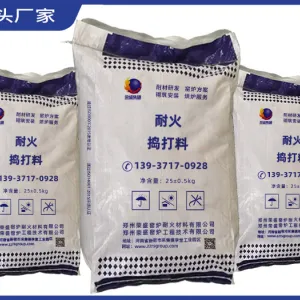
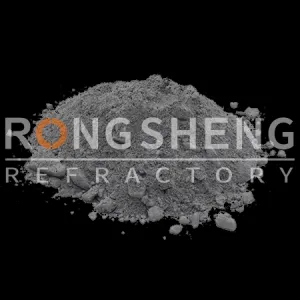
In the ever-evolving landscape of industrial materials, the demand for high-performance solutions in extreme conditions is paramount. One such innovation is corundum wear-resistant plastics, designed specifically to excel in high-temperature environments. This article delves into their exceptional properties, technological advancements, and applications in various industries.
The key feature of corundum wear-resistant plastics is their unparalleled ability to withstand high temperatures while maintaining mechanical integrity. These materials demonstrate remarkable wear resistance, making them ideal for environments where traditional alternatives fail to perform.
Moreover, the flexibility in processing allows for tailored applications in specific industrial contexts, which enhances their versatility and functionality.

Recent advancements in the formulation of corundum plastics have significantly enhanced their performance metrics. Enhanced processing techniques ensure a uniform distribution of corundum particles, which is critical for optimizing wear resistance. Innovations in manufacturing processes have also led to the development of composites that can withstand thermal shock and mechanical stress, further solidifying their position in high-temperature applications.
Corundum wear-resistant plastics are proving invaluable in circulating fluidized bed boilers and other critical industrial operations. Their resistance to abrasion and thermal degradation positions them as a crucial component in energy production and manufacturing sectors. Case studies demonstrating their efficacy have shown not only prolonged service life but also reduced maintenance costs, contributing to more sustainable operational practices.
In conclusion, the innovation behind corundum wear-resistant plastics is shaping the future of high-temperature materials. By offering enhanced performance in harsh conditions, these materials pave the way for increased operational efficiency across numerous industries. Companies looking to integrate these advanced materials into their processes can expect improved outcomes and sustainable advantages.

 499
|
499
|
 wear resistance
corundum plastic
technical advantages
wear resistance
corundum plastic
technical advantages
 489
|
jet grouting materials
high-performance construction materials
489
|
jet grouting materials
high-performance construction materials
 148
|
wear-resistant bricks
metallurgical industry
application examples
148
|
wear-resistant bricks
metallurgical industry
application examples
 336
|
durability
high temperature environments
technological innovation
336
|
durability
high temperature environments
technological innovation
.jpg?x-oss-process=image/resize,h_300,m_lfit/format,webp) 342
|
Imported Mullite Bricks
Mullite Brick Market
Refractory Materials
342
|
Imported Mullite Bricks
Mullite Brick Market
Refractory Materials