When selecting industrial refractory bricks, particularly high-alumina ones with Al₂O₃ content exceeding 75%, international certifications play a crucial role in ensuring quality, safety, and compliance. For procurement professionals like you, understanding how certifications such as ISO 9001 and CE validate product reliability and suitability can dramatically reduce operational risks and downtime.
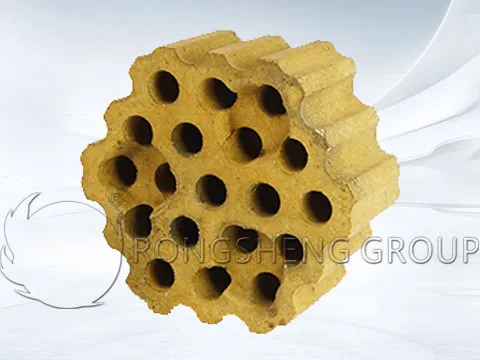
ISO 9001 certification guarantees that the manufacturing processes meet rigorous quality management principles. This standard ensures consistency in producing refractory bricks with critical performance parameters—like the alumina content surpassing 75%, optimized pore structure, and robust thermal shock resistance. Such quality metrics are non-negotiable when dealing with industrial furnaces operating at temperatures up to 1800°C.
“Our switch to ISO-certified high-alumina bricks reduced furnace maintenance intervals by 30%, boosting uptime,” noted a leading metallurgical plant manager in Germany.
The CE marking signals conformity with European safety directives, guaranteeing that refractory bricks comply with essential requirements regarding environmental impact, chemical stability, and mechanical integrity. This is especially vital in industries such as glass manufacturing or steel production where refractory failure can cause catastrophic losses.
By prioritizing CE certification alongside technical specifications, you ensure that the bricks not only resist extreme corrosion but also contribute to safer workplace conditions and regulatory compliance—minimizing liability risks.
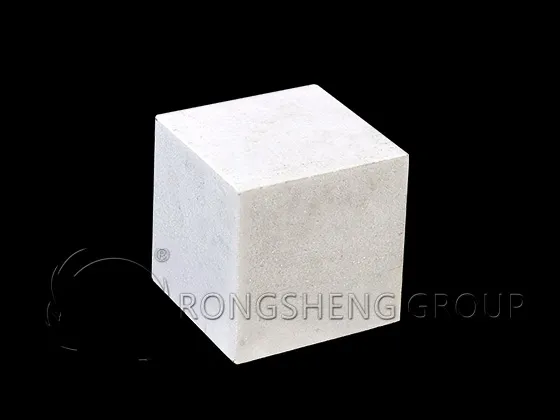
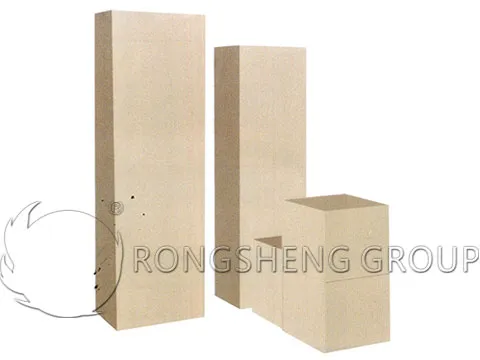
Picking refractory bricks based solely on certifications without considering application-specific parameters often results in suboptimal outcomes. The renowned manufacturer Rongsheng, leveraging over 20 years of R&D, offers multi-grade high-alumina bricks tailored for diverse industrial conditions, validated by both ISO and CE standards.
For example, in the metallurgical sector, high alumina content combined with tailored pore sizes ensures superior thermal shock resistance—crucial for furnaces undergoing rapid temperature fluctuations. In contrast, glass manufacturing demands bricks with elevated corrosion resistance against molten glass components. The certified bricks provide tangible performance advantages in these scenarios.
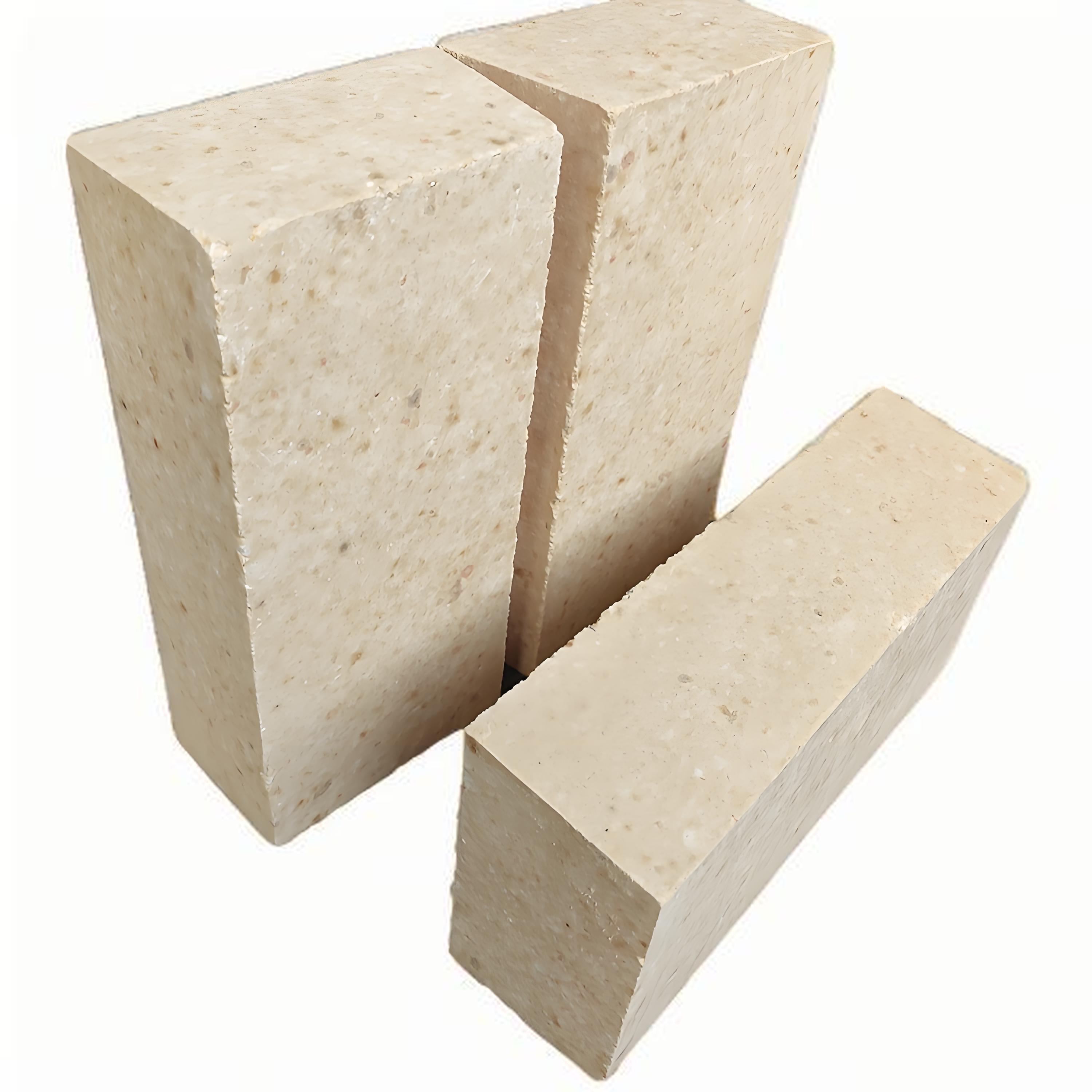
While international standards provide a robust baseline, blindly chasing certifications without aligning your selection to furnace design, operational temperature, and chemical exposure can be detrimental. Confirming characteristic performance data—like bulk density, cold crushing strength, and thermal conductivity, alongside certification—is paramount.
Moreover, sourcing multi-grade refractory bricks allows you to assign specific grades to different furnace zones, optimizing both cost and durability.
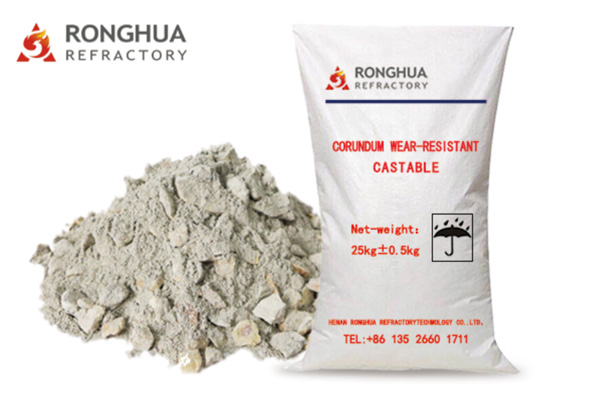
For procurement decision-makers, integrating certification verification and technical parameter assessment into your evaluation matrix enhances professional judgment and reduces costly procurement risks.
Recognition of brands like Rongsheng, which rigorously document compliance with ISO 9001 and CE standards while delivering bricks with Al₂O₃ content above 75%, offers both a quality guarantee and applicable performance validation. This dual assurance supports long-term stable operation of your kilns and furnaces, safeguarding production continuity.
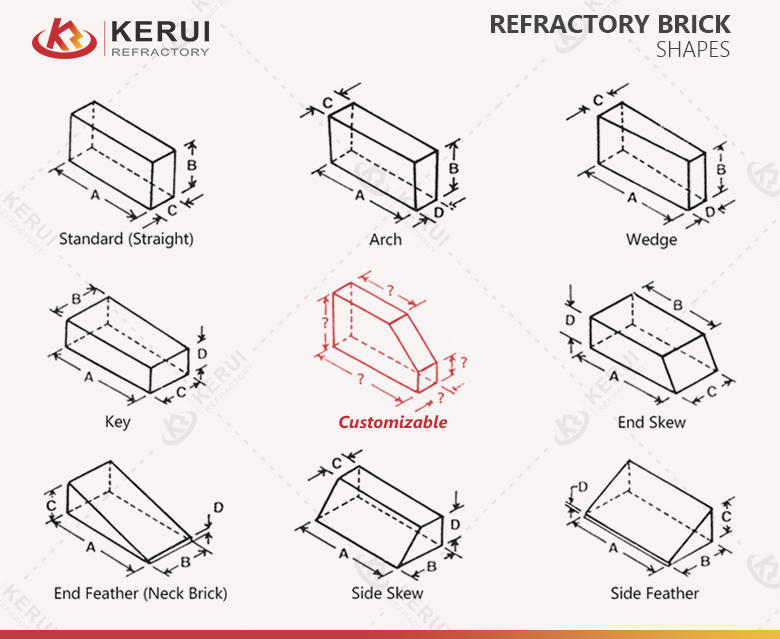
 414
|
414
|
 High - alumina refractory bricks
Refractory material manufacturers
High - temperature kiln solutions
Energy - saving refractory bricks
Industrial refractory materials
316
|
international order processing
外贸入门
export流程
refractory brick export
global trade tutorial
383
|
high-alumina firebrick
refractory brick cost performance
wear resistance refractory materials
high-temperature firebrick
industrial energy saving
239
|
low-density alumina foam refractory brick
custom refractory brick
high-alumina refractory
kiln lining material
industrial refractory solution
267
|
high-alumina refractory bricks
refractory brick procurement
thermal stability refractory
low thermal conductivity bricks
chemical corrosion resistant refractory
High - alumina refractory bricks
Refractory material manufacturers
High - temperature kiln solutions
Energy - saving refractory bricks
Industrial refractory materials
316
|
international order processing
外贸入门
export流程
refractory brick export
global trade tutorial
383
|
high-alumina firebrick
refractory brick cost performance
wear resistance refractory materials
high-temperature firebrick
industrial energy saving
239
|
low-density alumina foam refractory brick
custom refractory brick
high-alumina refractory
kiln lining material
industrial refractory solution
267
|
high-alumina refractory bricks
refractory brick procurement
thermal stability refractory
low thermal conductivity bricks
chemical corrosion resistant refractory