You’re not alone if you’ve ever stared at a shipping document and felt like it was written in another language. As a new exporter or importer, international logistics can seem overwhelming — but here’s the truth: it’s one of the most powerful levers for scaling your B2B business globally.
According to the World Bank, over 70% of global trade relies on efficient cross-border logistics. Yet, nearly 40% of small-to-mid-sized exporters still struggle with delays due to poor planning — often because they don’t fully understand the flow from order to delivery. That’s where this guide comes in.
Let’s break down the full journey — no jargon, just real-world steps that work across markets like North America, Europe, and the Middle East.
Once you receive an order, start by verifying all product specs, quantities, and Incoterms (like FOB or CIF). Missing even one detail can lead to customs hold-ups. Pro tip: Use digital tools like Alibaba’s Trade Assurance or DocuSign to automate documentation — saves time and reduces errors.
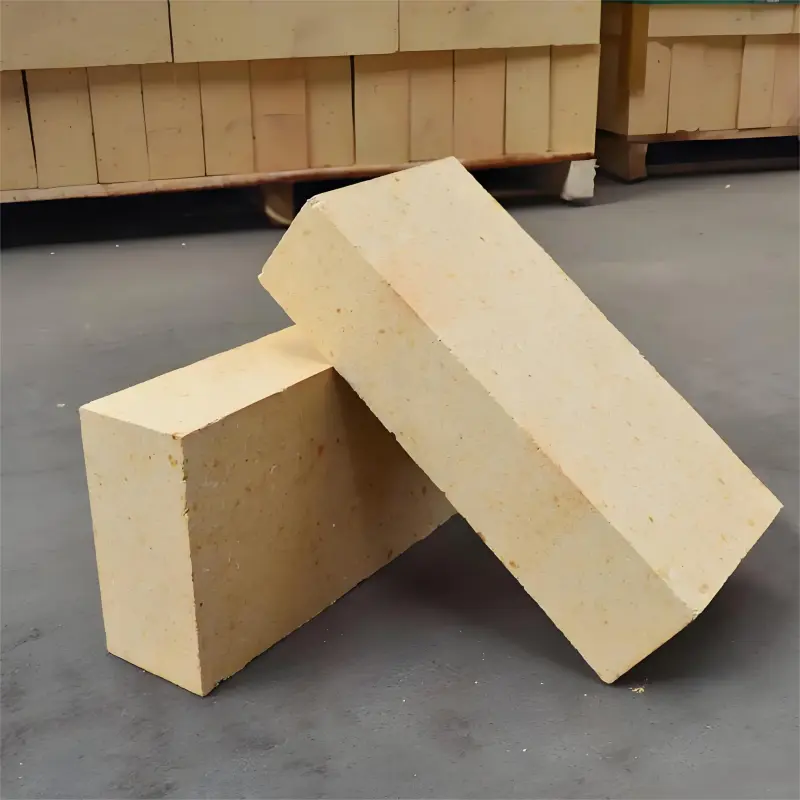
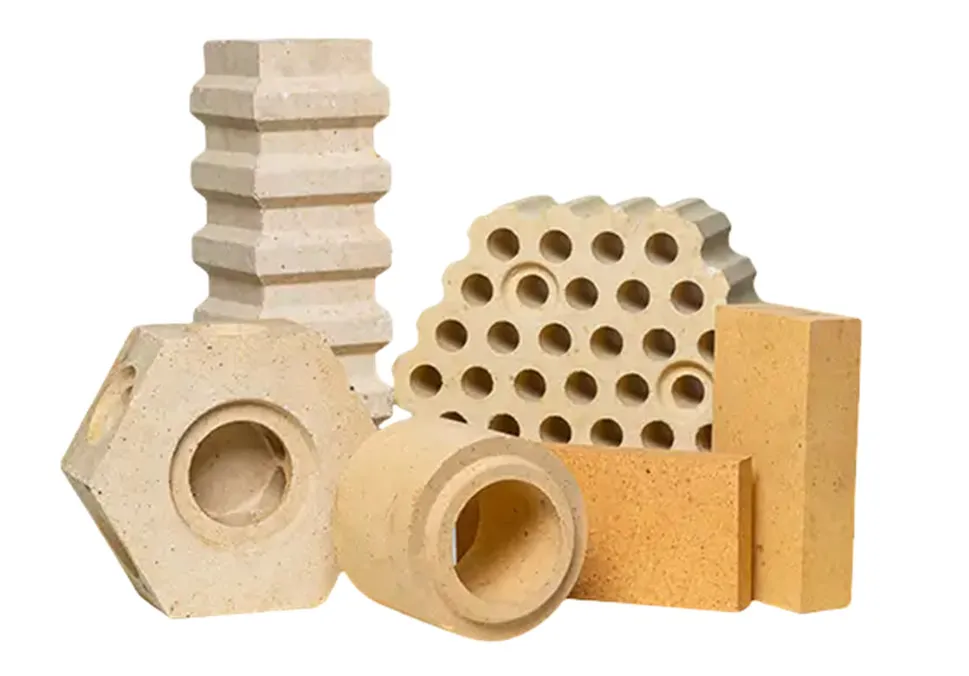
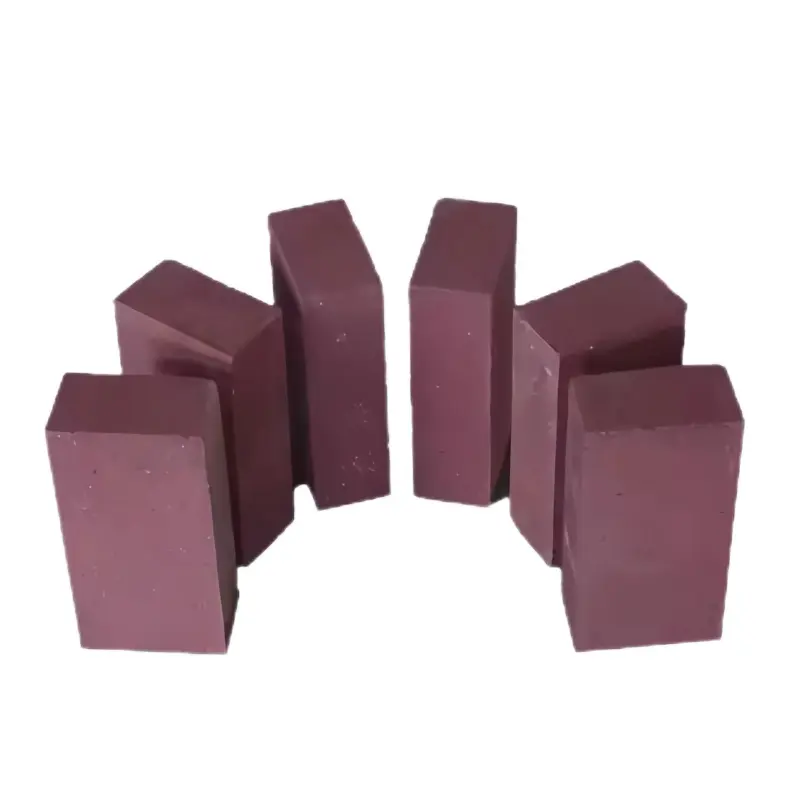
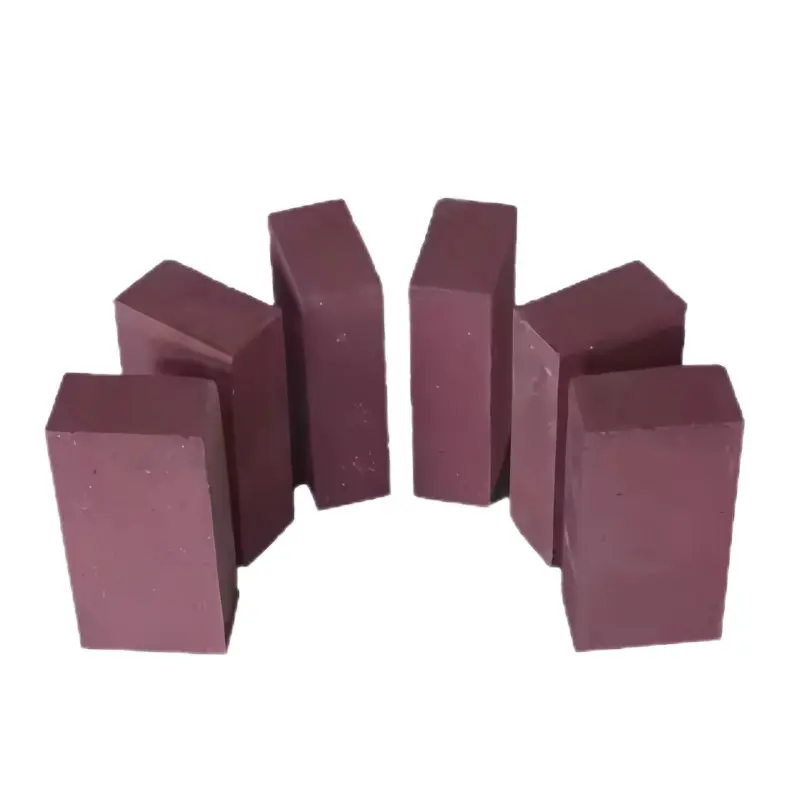
Here’s what many beginners miss: packaging must meet destination country standards. For example, EU buyers require CE-compliant labeling for industrial materials like refractory bricks. At Rongsheng High-Purity Chrome Alumina Refractory Bricks, we ensure every shipment meets ISO 9001 and ASTM C127 standards — giving your clients peace of mind before the crate even leaves the warehouse.
This is where many deals stall. In China, export declarations typically take 1–3 days after submission. But if your goods are classified as “high-value” or “specialized,” expect up to 7 days. Always pre-check HS codes with your freight forwarder — misclassification costs more than you think.
For heavy items like our high-purity chrome alumina bricks (typically 25–50 kg per piece), ocean freight is usually cheaper — especially for bulk orders (>10 tons). However, if speed matters (e.g., urgent replacement parts), air freight may be worth the premium. On average, air freight costs 3–5x more than sea, but delivers in 3–7 days vs. 25–45 days by ship.
The last mile isn’t always smooth. In the UAE, for instance, importers must provide a local agent’s license number. In Germany, strict environmental compliance checks apply. That’s why working with experienced partners who know regional nuances — like Rongsheng’s team in Dubai and Hamburg — makes all the difference.
Whether you're exporting your first batch or optimizing your current workflow, understanding these steps turns logistics from a headache into a competitive advantage.
Explore Our Certified Refractory Solutions Today 212
|
212
|
 High-purity chrome-zirconium corundum bricks High-temperature refractory materials Refractory bricks for glass furnaces Refractory material selection guide Customized refractory bricks
266
|
High - purity chrome - zirconium corundum bricks Refractory materials High - temperature industrial refractory bricks Glass furnace refractory bricks Refractory brick customization
459
|
B2B export trade trends refractory material exports high-temperature industrial bricks global refractory market customized refractory solutions
147
|
high-purity chromia-zirconia-alumina brick thermal stability corrosion resistance refractory materials glass furnace lining
High-purity chrome-zirconium corundum bricks High-temperature refractory materials Refractory bricks for glass furnaces Refractory material selection guide Customized refractory bricks
266
|
High - purity chrome - zirconium corundum bricks Refractory materials High - temperature industrial refractory bricks Glass furnace refractory bricks Refractory brick customization
459
|
B2B export trade trends refractory material exports high-temperature industrial bricks global refractory market customized refractory solutions
147
|
high-purity chromia-zirconia-alumina brick thermal stability corrosion resistance refractory materials glass furnace lining