Selecting the right refractory materials is critical for a variety of industrial applications where heat resistance and thermal insulation are paramount. This article delves into the key factors that must be considered when choosing refractory materials to ensure optimal performance and durability.
The first step in choosing refractory materials is to assess the operating environment where these materials will be utilized. Factors such as temperature, chemical exposure, and mechanical stress will influence the performance of refractory materials. For example, environments that experience high operating temperatures (exceeding 1500°C) require specialized refractory solutions that can withstand such extreme conditions.
Thermal conductivity is a crucial property of refractory materials. A lower thermal conductivity means better thermal insulation, which is vital in industries that require energy efficiency. Selecting materials with optimal thermal resistance can significantly reduce heat loss, thus improving overall process efficiency.
In many industrial applications, refractory materials come into contact with various chemicals. Therefore, evaluating the chemical resistance of refractory materials is essential. Materials must withstand corrosive substances without degrading their structural integrity. This factor plays a significant role in determining the longevity and reliability of refractory installations.
Mechanical strength is another significant factor affecting the performance of refractory materials. The materials should exhibit high compressive and tensile strength to endure operational stresses. Choosing refractory materials with the required strength levels ensures they can sustain the intended loads without failure.
Finally, availability and cost are practical considerations. It is essential to source refractory materials that not only meet the performance criteria but are also readily available and within budget. Conducting a cost-benefit analysis can help in making informed decisions that align with both operational needs and financial constraints.
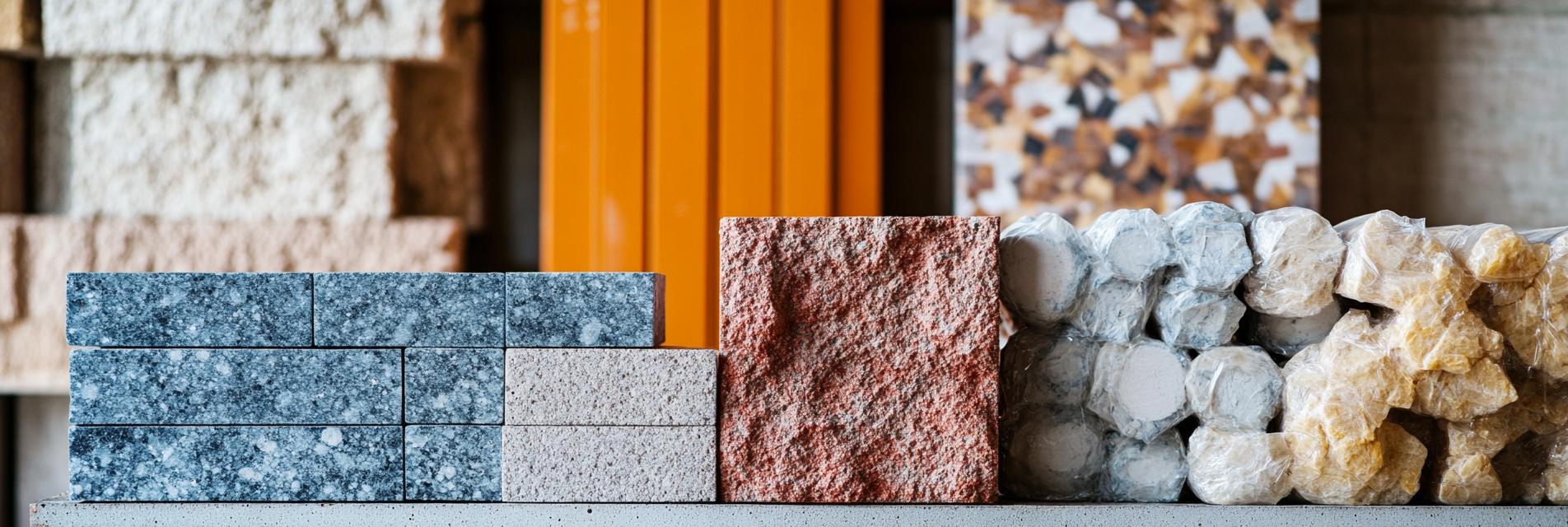
In conclusion, choosing the right refractory materials involves a comprehensive evaluation of the operating environment, thermal conductivity, chemical resistance, mechanical strength, availability, and cost. By considering these factors, industries can ensure the selection of optimal refractory materials, contributing to enhanced performance and durability in their applications.

 69
|
69
|
 metal smelting
refractory materials
case studies
metal smelting
refractory materials
case studies
 297
|
wear resistance
corundum plastic
technical advantages
297
|
wear resistance
corundum plastic
technical advantages
.jpg?x-oss-process=image/resize,h_300,m_lfit/format,webp) 393
|
safety measures
converter repairs
industrial safety
steelmaking process
repair techniques
393
|
safety measures
converter repairs
industrial safety
steelmaking process
repair techniques
 393
|
high-temperature acid environments
acid-resistant coatings
best choice
393
|
high-temperature acid environments
acid-resistant coatings
best choice
 96
|
High alumina refractory bricks
High temperature applications
Thermal stability
Metallurgical industry
Energy saving
96
|
High alumina refractory bricks
High temperature applications
Thermal stability
Metallurgical industry
Energy saving