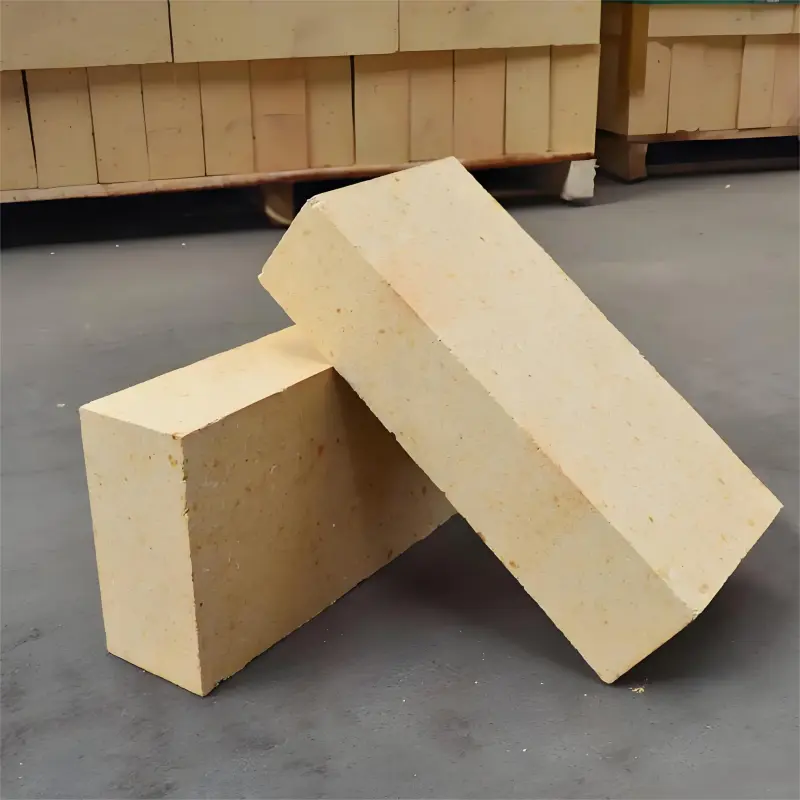
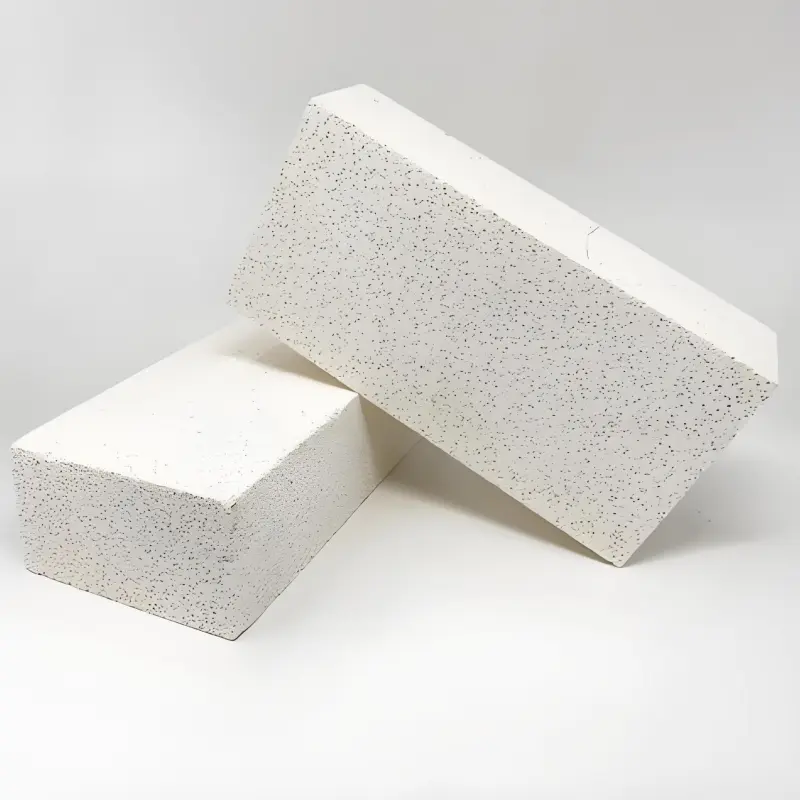
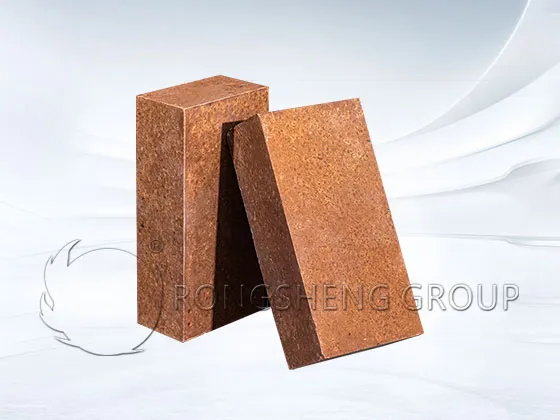
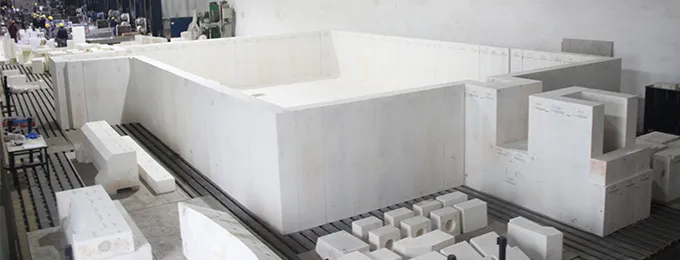
In the glass manufacturing industry, the quality of refractory materials plays a crucial role in determining the quality and integrity of glass products. Among them, composite alumina-zirconia-silica bricks have emerged as a key solution, offering exceptional resistance to glass melt corrosion and minimizing the risk of glass contamination.
Glass production is a complex process that involves high temperatures and harsh chemical environments. Traditional refractory materials often struggle to withstand the extreme conditions, leading to various quality issues. For example, corrosion of refractory materials can result in impurities being introduced into the glass melt, which may affect the clarity, color, and strength of the final glass products. Additionally, the wear and tear of refractory materials also require frequent replacement, increasing production costs and downtime.
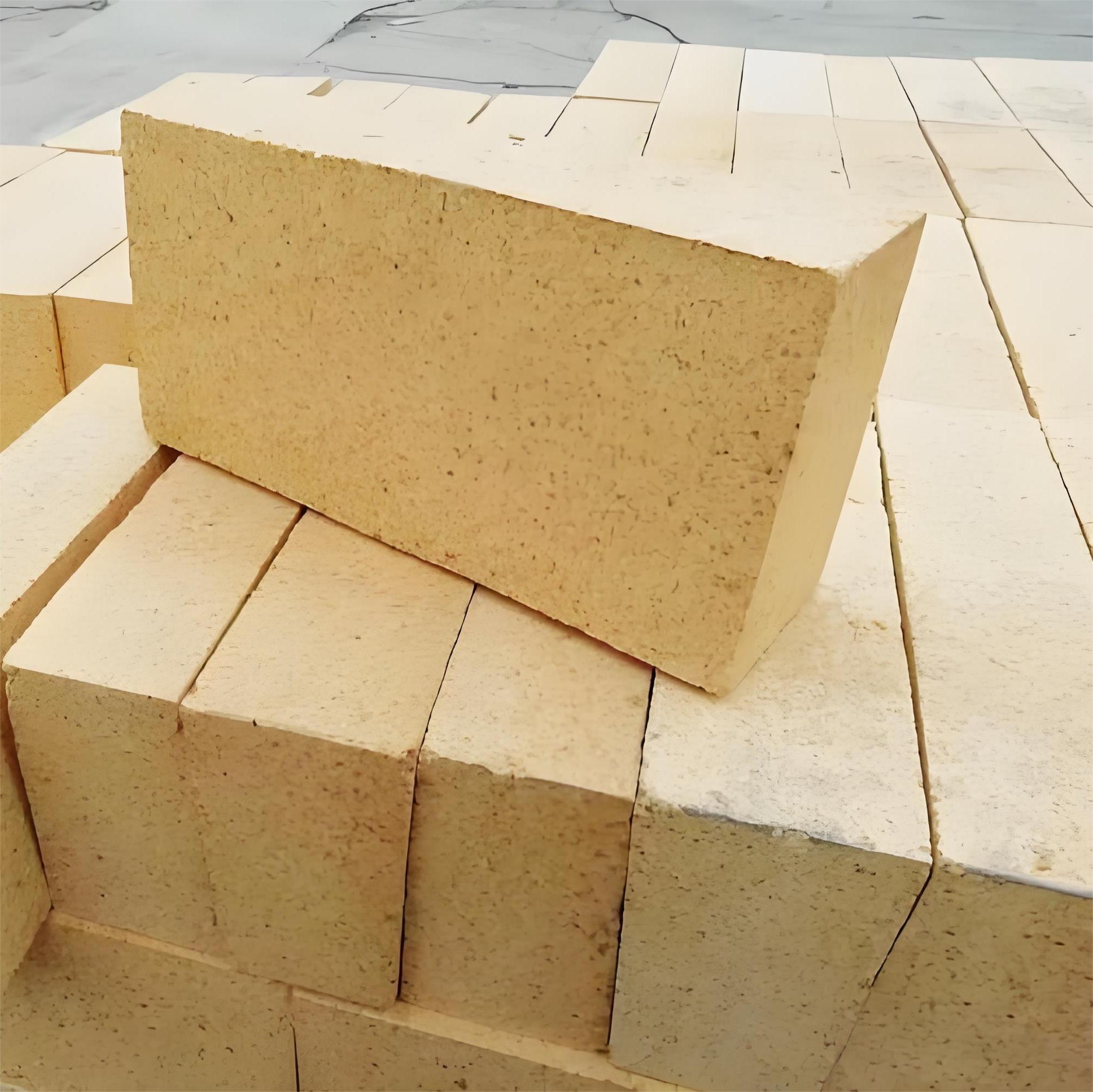
Composite alumina-zirconia-silica bricks have obtained international-standard certifications, which ensure their high quality and reliability. These certifications are a testament to the bricks' compliance with strict industry requirements and their ability to perform consistently in different glass manufacturing processes.
One of the most significant advantages of these bricks is their excellent corrosion resistance. In the glass melting process, the glass melt can be highly corrosive to refractory materials. However, composite alumina-zirconia-silica bricks are specifically designed to withstand this corrosion. Tests have shown that they can reduce the corrosion rate by up to 50% compared to traditional refractory materials, which significantly extends their service life.
Another key benefit is the extremely low glass contamination rate. The unique composition of these bricks minimizes the release of impurities into the glass melt, ensuring the high purity and quality of the glass products. This is particularly important for applications where high-quality glass is required, such as in the production of optical glass and high-end glassware.
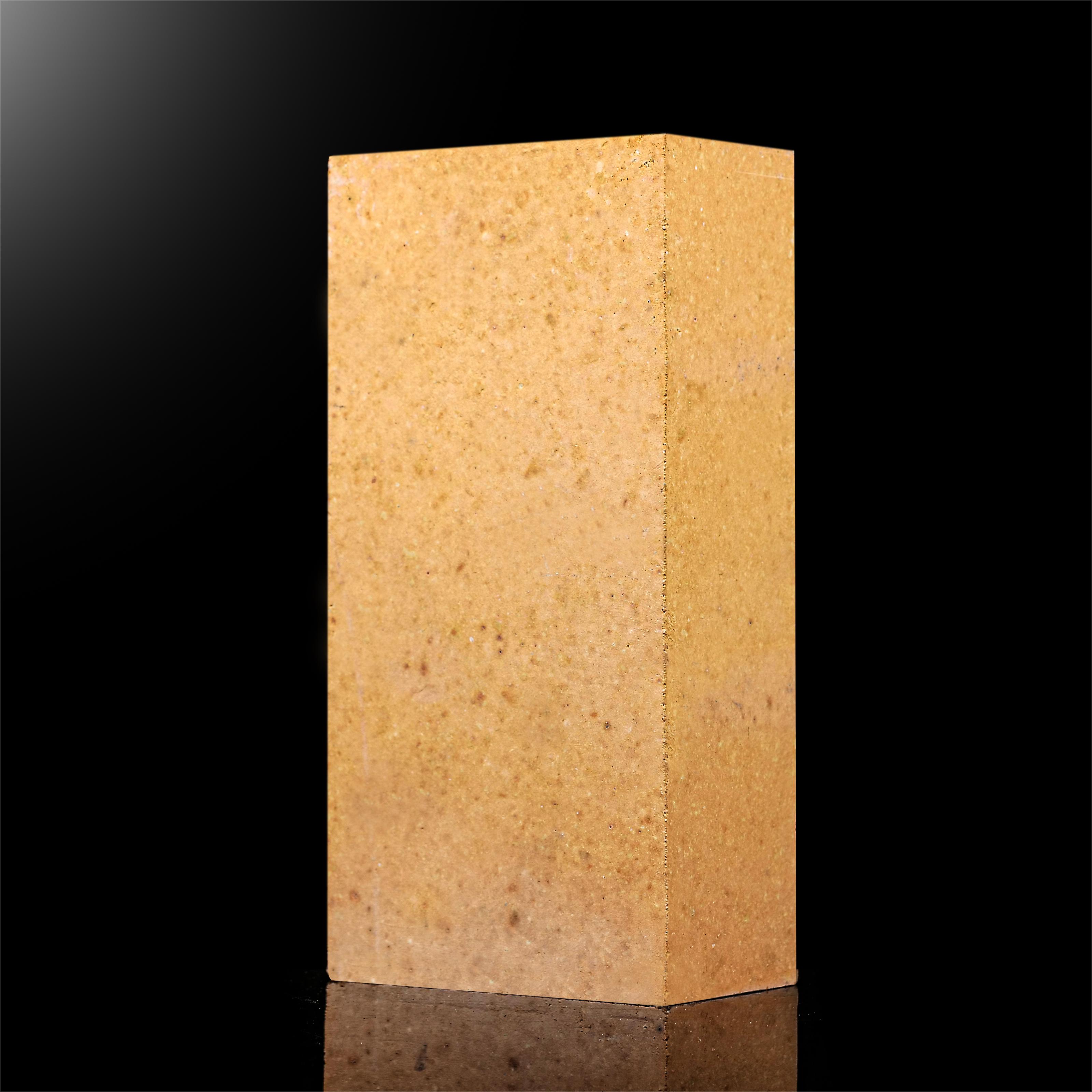
To meet the diverse needs of the glass manufacturing industry, composite alumina-zirconia-silica bricks are available in multiple model series. Each series is tailored to specific glass manufacturing processes, such as float glass production, container glass production, and special glass production. Moreover, customized solutions are also offered to match the unique operating conditions of different enterprises. By accurately analyzing the specific requirements of customers, we can provide personalized brick designs and installation plans, ensuring the optimal performance of the refractory materials in each production scenario.
With over 2000 customers in more than 70 countries, the effectiveness of composite alumina-zirconia-silica bricks has been well-proven. These success stories not only demonstrate the reliability and performance of the products but also provide valuable references for other glass manufacturers. For example, a large glass manufacturer in Europe was facing frequent refractory material replacement issues, which led to high costs and production disruptions. After switching to our composite alumina-zirconia-silica bricks, they were able to reduce their refractory material consumption by 30% and increase their production efficiency by 20%.
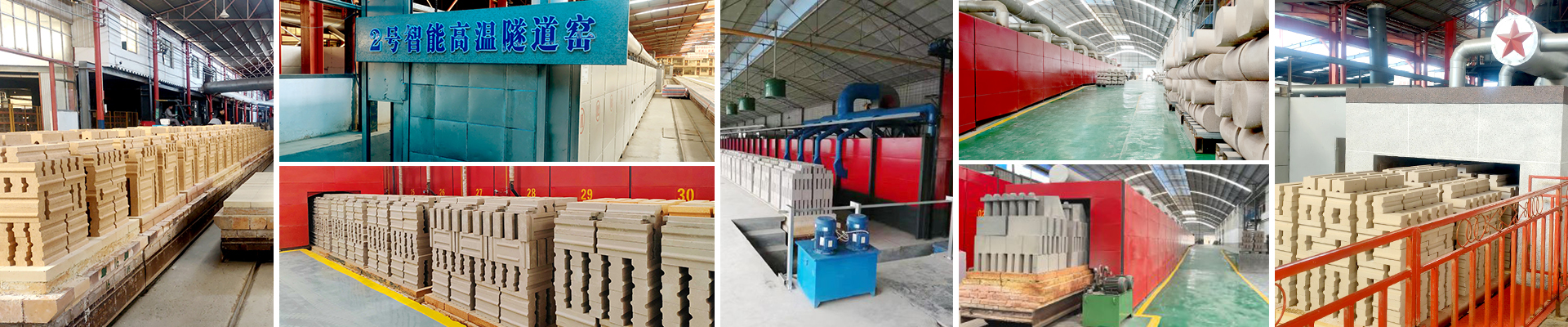
As the glass industry continues to evolve, manufacturers are facing new challenges, such as increasing environmental regulations and the demand for higher-quality glass products. Composite alumina-zirconia-silica bricks can help glass enterprises overcome these challenges by improving product quality and production stability. By using these advanced refractory materials, manufacturers can produce glass products with higher purity, better clarity, and stronger mechanical properties, while also reducing production costs and environmental impact.
 227
|
227
|
 Composite AZS bricks Glass furnace refractory selection AZS refractory brick series Glass manufacturing refractory materials Refractory corrosion resistance
197
|
B2B export sales strategies refractory material website optimization industrial product lead generation international buyer engagement SEO for heavy industry products
205
|
Composite alumina-zirconia-silica brick Anti - glass liquid corrosion refractory material Refractory brick for glass manufacturing AZS series refractory brick Customized refractory solutions for glass industry
411
|
Corundum-mullite lightweight refractory bricks High-temperature industry energy efficiency Energy-saving refractory materials Customized refractory solutions Industrial emission reduction
339
|
High-purity chrome corundum refractory bricks Export enterprise cost reduction and efficiency improvement Refractory material customization High-temperature industrial solutions Intelligent packaging application
Composite AZS bricks Glass furnace refractory selection AZS refractory brick series Glass manufacturing refractory materials Refractory corrosion resistance
197
|
B2B export sales strategies refractory material website optimization industrial product lead generation international buyer engagement SEO for heavy industry products
205
|
Composite alumina-zirconia-silica brick Anti - glass liquid corrosion refractory material Refractory brick for glass manufacturing AZS series refractory brick Customized refractory solutions for glass industry
411
|
Corundum-mullite lightweight refractory bricks High-temperature industry energy efficiency Energy-saving refractory materials Customized refractory solutions Industrial emission reduction
339
|
High-purity chrome corundum refractory bricks Export enterprise cost reduction and efficiency improvement Refractory material customization High-temperature industrial solutions Intelligent packaging application