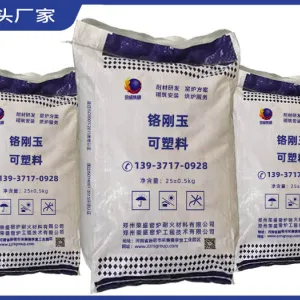
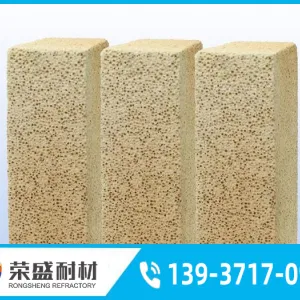
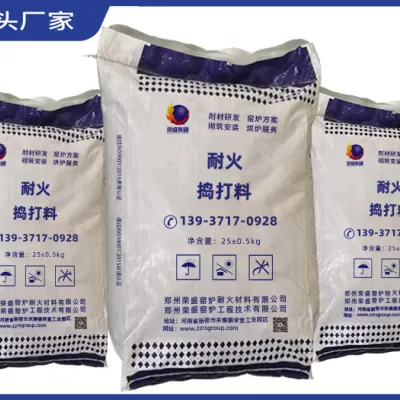
High-temperature materials have become a focal point in contemporary material science, owing to their ability to perform under extreme conditions. Industries such as aerospace, automotive, and energy are increasingly adopting these advanced materials to enhance performance and ensure safety. This article explores the latest applications of high-temperature materials and their implications in various sectors.
Recent developments in high-temperature materials have led to the introduction of innovative options such as ceramic matrix composites (CMCs) and advanced metal alloys. Unlike conventional materials, these high-temperature options can withstand temperatures exceeding 1000°C while maintaining structural integrity and mechanical properties. These advancements are critical in applications where traditional materials would fail.
In the aerospace industry, high-temperature materials are pivotal in the construction of turbine engines and thermal protection systems for spacecraft. CMCs are increasingly used for turbine blades due to their lightweight nature and exceptional resistance to thermal degradation. According to recent industry reports, the use of advanced materials in aerospace can lead to a significant reduction in weight (up to 20%) and increase engine efficiency, providing substantial cost savings over time.
The automotive industry is also witnessing a transformational shift with the integration of high-temperature materials. Automotive manufacturers are utilizing these materials for components like exhaust systems and engine parts that endure extreme conditions. Recent trends indicate that the use of high-temperature alloys can enhance durability by as much as 30% under high-stress environments, thereby improving overall vehicle performance and lifespan.
Enhancing safety and reliability is a paramount concern across all industries, and high-temperature materials lead the way in this regard. For instance, in power generation, materials that can withstand not only high temperatures but also corrosive environments are crucial. Statistics show that the implementation of improved thermal resistance materials can reduce maintenance costs by approximately 15%, thus ensuring uninterrupted operational efficiency.
The evolution of high-temperature materials signifies a breakthrough in material science, offering immense benefits across various industries. As technology advances, the potential applications of these materials will continue to expand, paving the way for innovative solutions that enhance performance, safety, and operational efficiency. For industries aiming for growth and sustainability, the adoption of high-temperature materials is not just an option; it's a necessity.

.jpg?x-oss-process=image/resize,h_300,m_lfit/format,webp)
 123
|
123
|
 furnace lining
industrial furnace
heat resistance
thermal insulation
furnace lining
industrial furnace
heat resistance
thermal insulation
 216
|
durable furnace linings
industrial furnace solutions
high-performance refractory materials
216
|
durable furnace linings
industrial furnace solutions
high-performance refractory materials
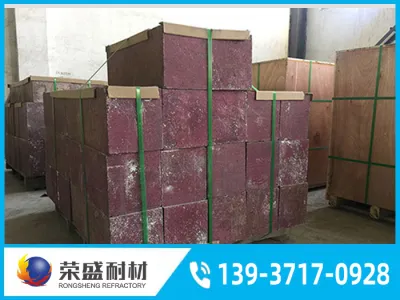 409
|
high-temperature refractory
industrial refractory materials
409
|
high-temperature refractory
industrial refractory materials
 372
|
water-cooled tiles
high-performance ceramics
USA industries
thermal management
energy efficiency
372
|
water-cooled tiles
high-performance ceramics
USA industries
thermal management
energy efficiency
.jpg?x-oss-process=image/resize,h_300,m_lfit/format,webp) 153
|
fire resistance
sector clay bricks
high-temperature applications
153
|
fire resistance
sector clay bricks
high-temperature applications