
As a marketing leader in the industrial sector, I am passionately driven to explore the latest technologies in protective materials for induction furnace coils. The efficiency and durability of induction heating processes play a critical role in manufacturing and metalworking applications. By focusing on innovative solutions, we can enhance performance, improve longevity, and ensure safety in these processes.
Induction furnace coils are subjected to extreme temperatures and harsh operating conditions. Traditional protective materials often fail to provide adequate thermal insulation and resistance to wear and erosion. This not only affects the performance of the furnace but also increases maintenance costs and downtime.
.jpg)
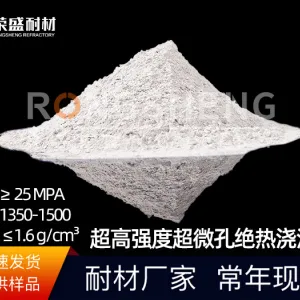
Recent advancements in protective materials have revolutionized the way we approach induction furnace technology. High-temperature cements, silicon carbide ramming masses, and refractory spray castables are leading the charge in enhancing the durability and performance of induction coils.
Modern high-temperature cements offer superior thermal insulation, which is crucial for maintaining optimal operating temperatures. They withstand the thermal shock and mechanical stress associated with industrial heating.

These materials resist high temperatures and are highly durable, making them ideal for use in demanding environments. They enhance the life expectancy of induction coil linings significantly.
This innovative technology allows for easy and efficient application, creating seamless protective layers that enhance heat retention and reduce energy consumption.
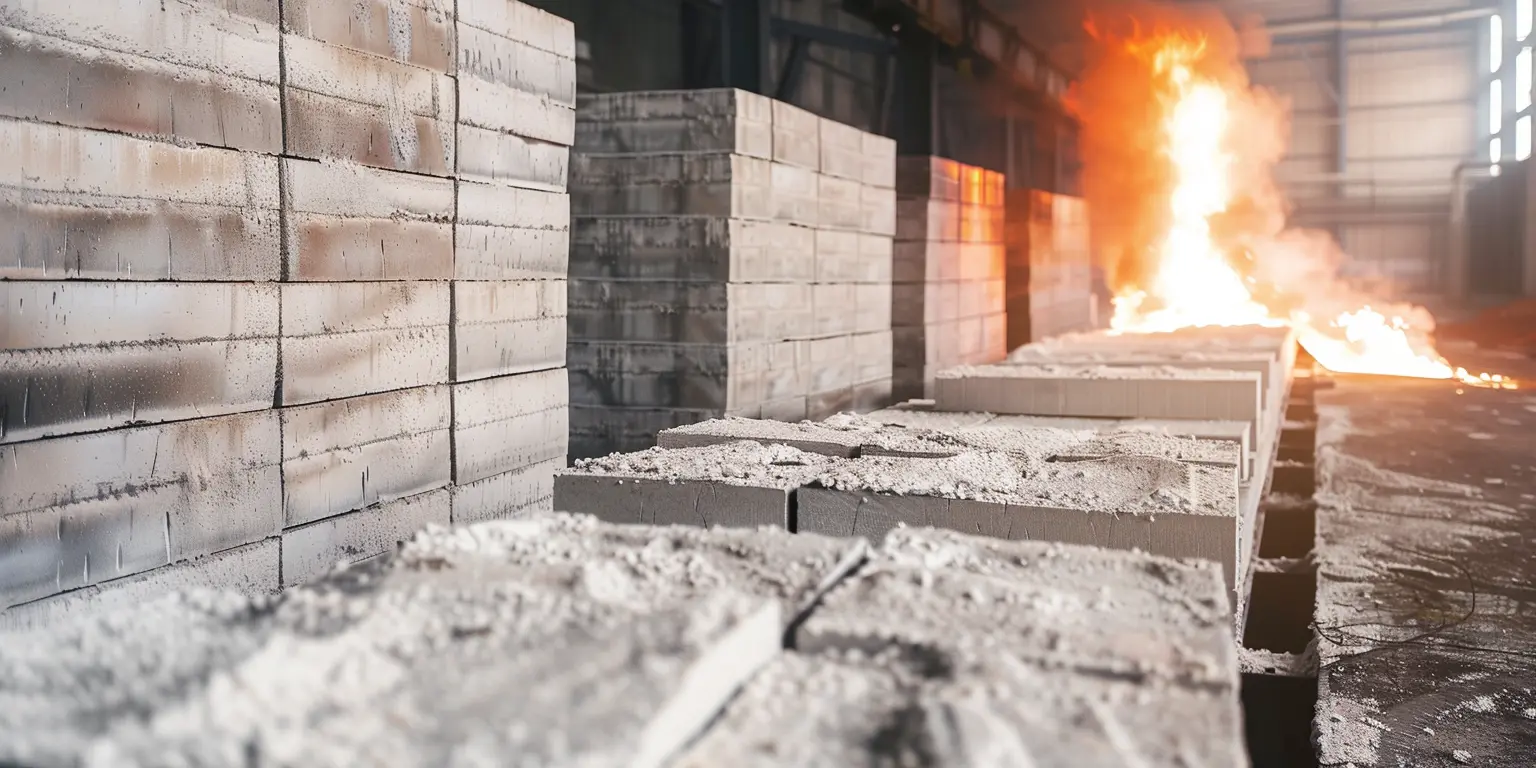
The ongoing innovation in protective materials for induction furnace coils is a promising development that will reshape the future of industrial heating. By investing in these technologies, companies can achieve greater efficiency, reduce costs, and ensure safer operations. As a leader in this field, I am committed to promoting these advancements to drive sustainability and growth in our industry.

 475
|
475
|
 High strength mullite
Refractory materials
Kiln lining
High strength mullite
Refractory materials
Kiln lining
.jpg?x-oss-process=image/resize,h_300,m_lfit/format,webp) 22
|
Spray casting material
market trend
Outlook
Refractory materials
Industrial Applications
22
|
Spray casting material
market trend
Outlook
Refractory materials
Industrial Applications
 334
|
jet grouting materials
metallurgical industry
market trends
334
|
jet grouting materials
metallurgical industry
market trends
.jpg?x-oss-process=image/resize,h_300,m_lfit/format,webp) 383
|
Mullite Brick
Kiln materials
Refractory Bricks
Market analysis
Kiln materials
383
|
Mullite Brick
Kiln materials
Refractory Bricks
Market analysis
Kiln materials
.jpg?x-oss-process=image/resize,h_300,m_lfit/format,webp) 462
|
Refractory Materials
International Market Dynamics
Market Analysis
Industry Trends
Material Technology
462
|
Refractory Materials
International Market Dynamics
Market Analysis
Industry Trends
Material Technology






.jpg?x-oss-process=image/resize,m_fill,h_100,w_100/format,webp)
.jpg?x-oss-process=image/resize,m_fill,h_100,w_100/format,webp)
.jpg?x-oss-process=image/resize,m_fill,h_100,w_100/format,webp)
