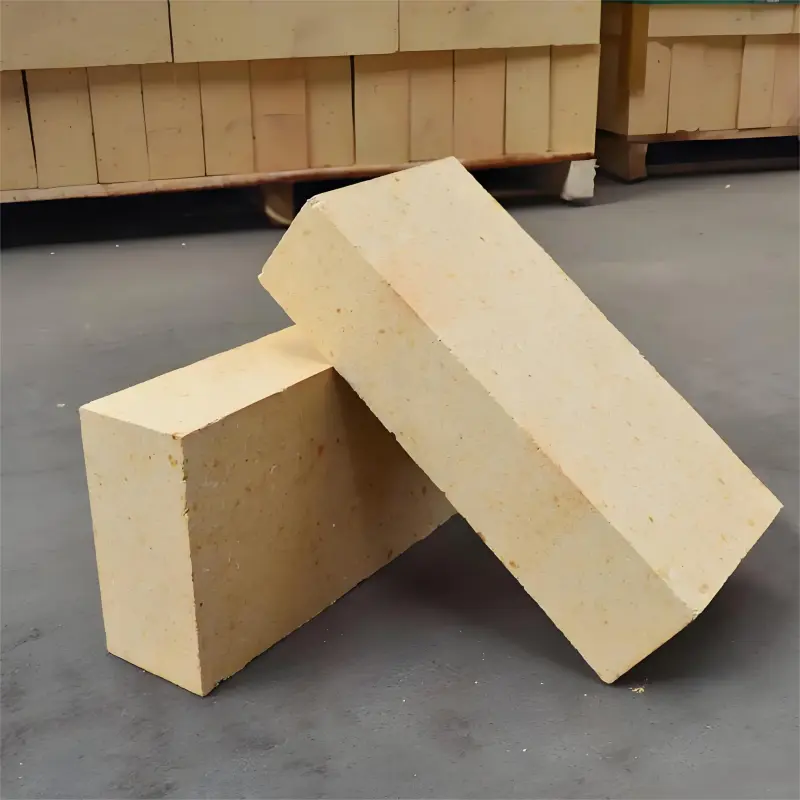
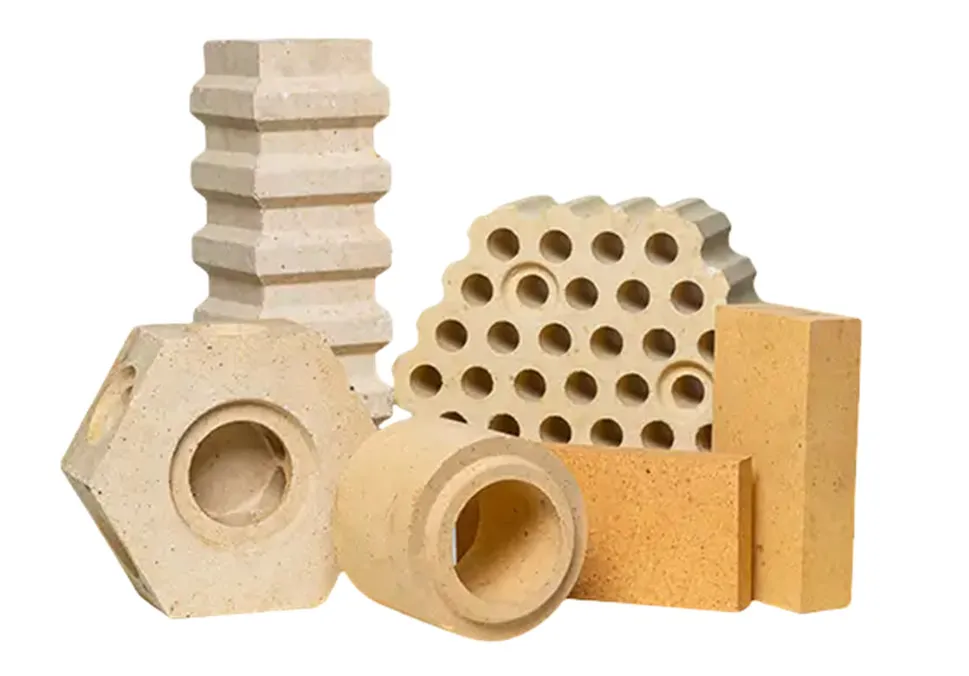
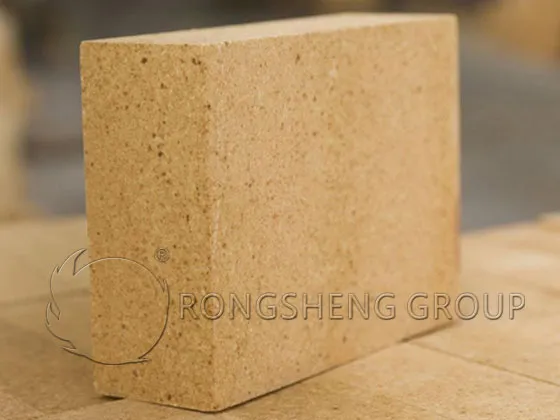
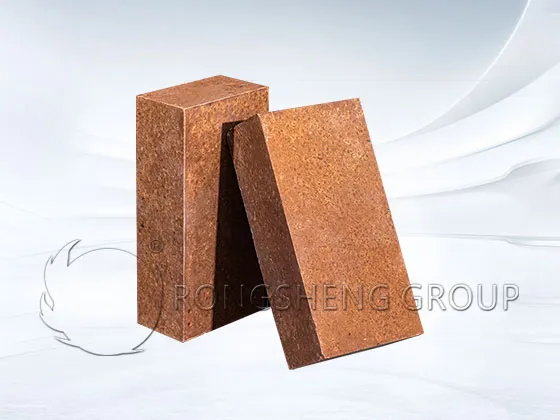
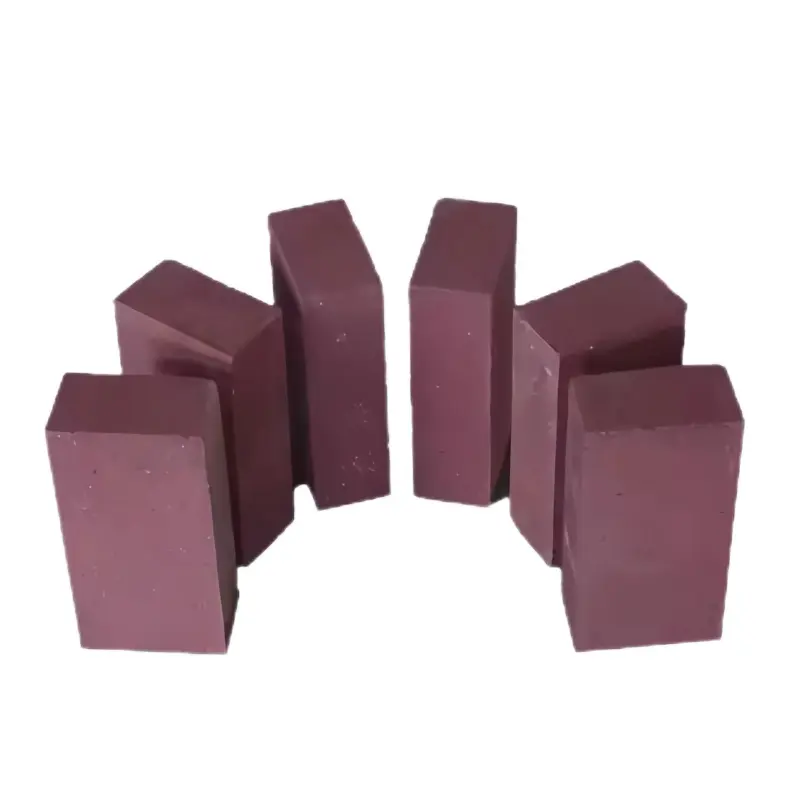
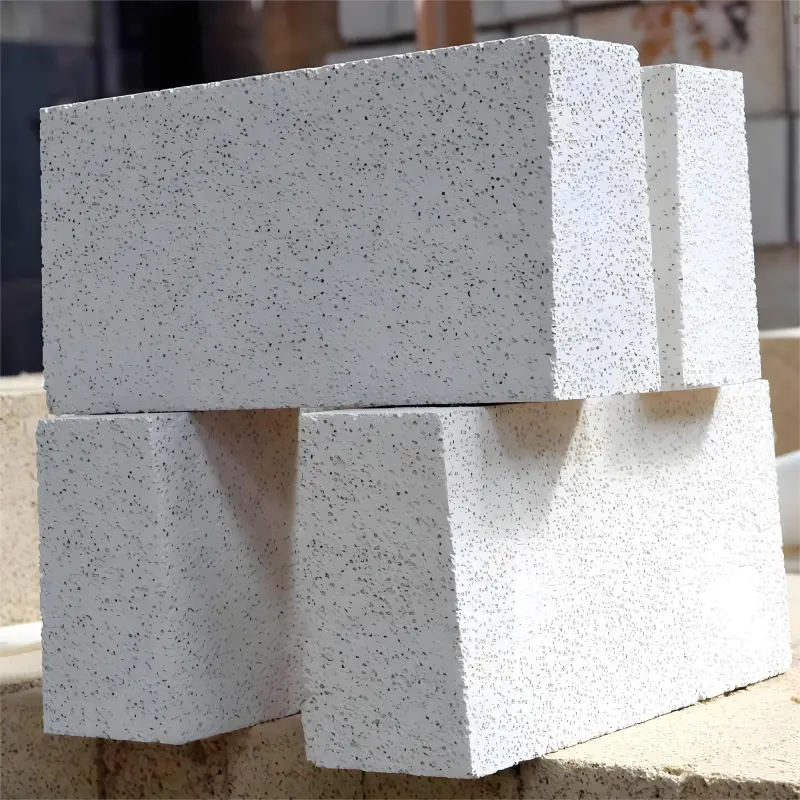
High-temperature kiln operations frequently confront challenges such as excessive energy consumption and low operational efficiency — issues which directly affect manufacturing costs and plant sustainability. To address these challenges, Zhengzhou Rongsheng Refractory Materials Co., Ltd. introduces its advanced low-density bauxite foam refractory bricks, boasting an exceptional refractoriness exceeding 1770°C, superior thermal stability, and notably reduced density around 1.3 to 1.6 g/cm³.
This article delves into the core technical parameters that distinguish these foam bricks from conventional refractory solutions and illustrates, through industrial case studies, how their adoption elevates kiln performance while significantly reducing energy consumption.
The critical raw material in these bricks is high-purity bauxite, with alumina (Al₂O₃) content maintained at or above 90%. Such a high concentration ensures excellent refractory properties, including resistance to creep deformation and chemical attack at elevated temperatures. The foam structure employed drastically lowers the bulk density, enabling bricks to weigh approximately 25-40% less than traditional dense refractory bricks.
Key performance parameters include:
These attributes collectively enable enhanced energy efficiency by reducing heat loss and improving kiln thermal retention.
Traditional refractory bricks, predominantly dense fireclay or standard bauxite bricks, often exceed bulk densities of 2.5 g/cm³, translating to heavier structures and more pronounced heat conduction losses. Their higher thermal conductivity usually ranges from 0.6 to 1.2 W/m·K, resulting in energy inefficiency during kiln operation.
In contrast, the low-density bauxite foam bricks mitigate these issues through:
| Parameter | Low-Density Bauxite Foam Brick | Traditional Dense Brick |
|---|---|---|
| Bulk Density (g/cm³) | 1.3 – 1.6 | > 2.5 |
| Thermal Conductivity (W/m·K) | 0.20 – 0.35 | 0.60 – 1.20 |
| Refractoriness (°C) | ≥ 1770 | ≥ 1700 |
| Thermal Stability | High (Minimal expansion) | Moderate (Prone to spalling) |
By lowering the brick weight, installation labor and structural load on kiln frames are reduced. More importantly, energy savings in the range of 10-18% have been documented in industrial applications after switching to these foam bricks. This is primarily due to enhanced insulation and less heat dissipation.
A leading ceramics manufacturer in China upgraded the refractory lining of their tunnel kilns with the 90% high-purity low-density bauxite foam bricks. Over a 12-month operation period, the following outcomes were reported:
This example illustrates the direct operational and financial benefits derived from adopting superior refractory materials tailored to specific kiln profiles and process conditions.

Recognizing diverse industrial needs, Zhengzhou Rongsheng offers customizable sizes and tailored chemical compositions to optimize the bricks for specific thermal environments and load conditions. Clients can specify dimensional tolerances or enhanced properties such as increased slag resistance or improved thermal shock tolerance.
Moreover, all products undergo stringent quality assurance aligned with ISO 9001 and CE certification standards, guaranteeing consistent performance and reliability. These certifications provide confidence to global purchasers compliant with international industrial regulations.
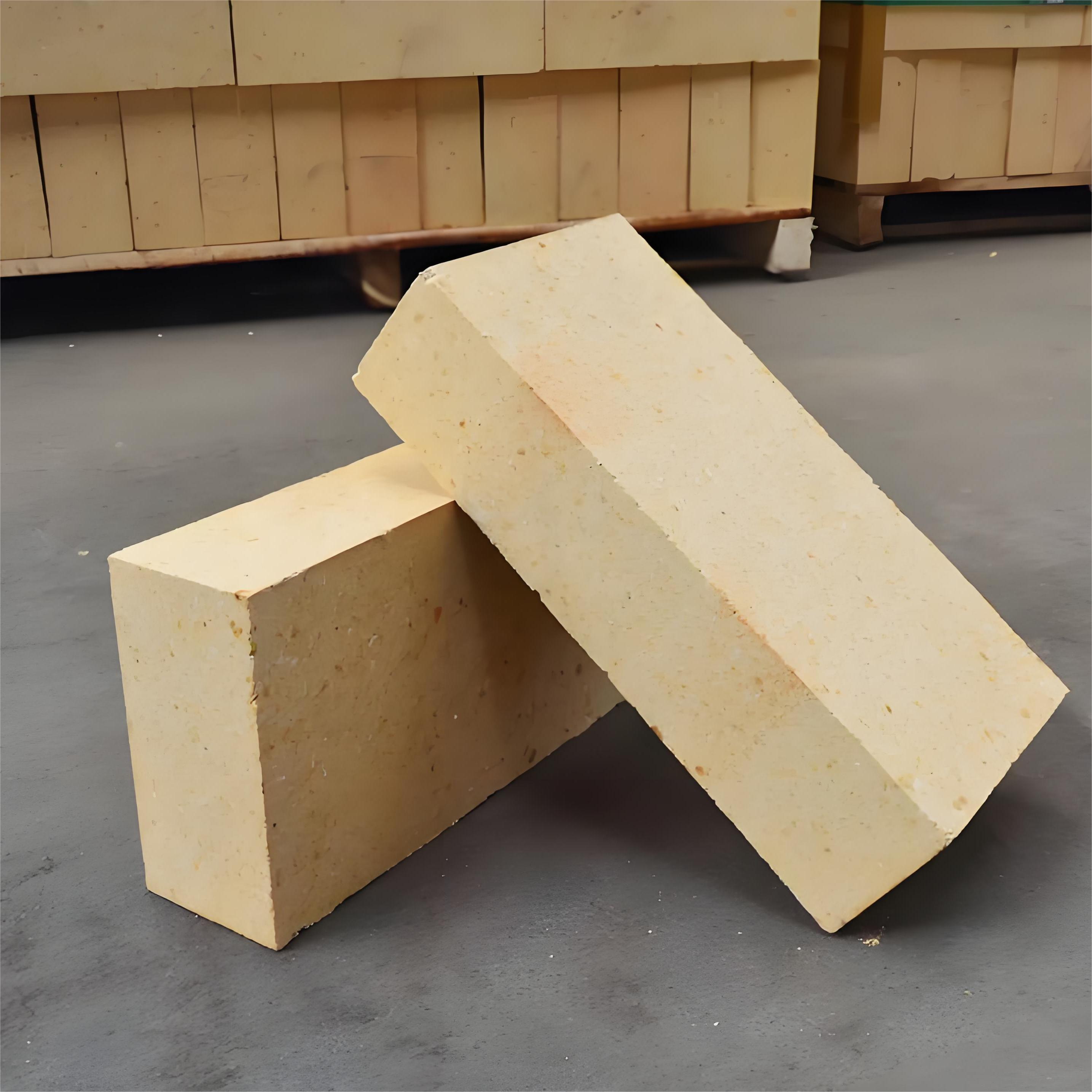
The low-density bauxite foam refractory bricks serve as a practical solution to pressing challenges in high-temperature kiln operations: minimizing thermal energy losses, reducing structural burdens, and enhancing kiln life cycles. Their adoption directly supports industrial goals of operational stability and eco-friendly energy usage.
 449
|
449
|
 high-temperature insulation materials
aluminum foam bricks
high-performance thermal insulation
energy-saving refractory bricks
corrosion-resistant insulation
234
|
Refractory brick international certification
Low-density corundum-mullite brick
High-temperature kiln materials
ISO9001 refractory materials
CE-certified refractory bricks
373
|
Refractory brick application solutions
Low-density corundum - mullite bricks
High-temperature industrial refractory materials
Steel smelting refractory materials
Cement kiln refractory bricks
455
|
B2B export trade trends
refractory material exports
high-temperature industrial bricks
global refractory market
customized refractory solutions
376
|
export business challenges
content marketing strategies
product awareness enhancement
multi-dimensional product display
export marketing growth
high-temperature insulation materials
aluminum foam bricks
high-performance thermal insulation
energy-saving refractory bricks
corrosion-resistant insulation
234
|
Refractory brick international certification
Low-density corundum-mullite brick
High-temperature kiln materials
ISO9001 refractory materials
CE-certified refractory bricks
373
|
Refractory brick application solutions
Low-density corundum - mullite bricks
High-temperature industrial refractory materials
Steel smelting refractory materials
Cement kiln refractory bricks
455
|
B2B export trade trends
refractory material exports
high-temperature industrial bricks
global refractory market
customized refractory solutions
376
|
export business challenges
content marketing strategies
product awareness enhancement
multi-dimensional product display
export marketing growth