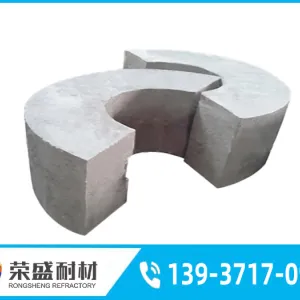
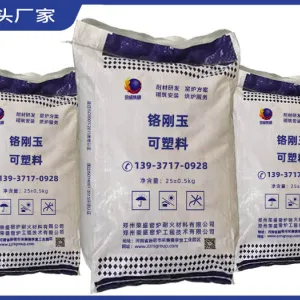
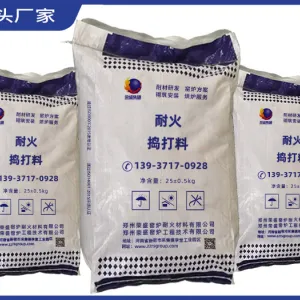
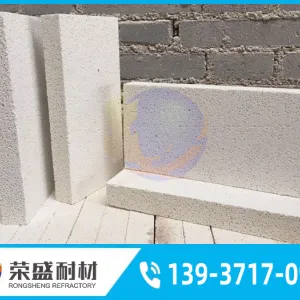
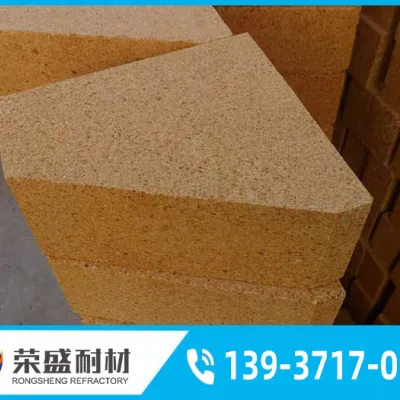
Refractory bricks play a vital role in power plant operations, ensuring that energy generation processes run efficiently under high-temperature conditions. This analysis explores the current market trends, key drivers, and challenges faced by the refractory bricks industry.
The global market for refractory bricks in power plants is projected to grow significantly, driven by increasing demands for energy efficiency and sustainability. According to market reports, the refractory products market is expected to reach $XX billion by 2025, growing at a CAGR of xx%. This growth can be attributed to the rising need for advanced insulation materials that can withstand extreme temperatures and chemical environments.

1. Technological Advancements: New manufacturing technologies are enhancing the quality and performance of refractory bricks. These advancements reduce production costs and improve thermal resistance.
2. Environmental Regulations: Stricter environmental policies are motivating power plants to invest in higher quality refractory materials that minimize emissions and enhance operational longevity.
Despite positive market growth, the refractory bricks industry faces several challenges. Fluctuations in raw material prices and the need for ongoing innovation are significant concerns for manufacturers.
In conclusion, refractory bricks are essential components in the power generation sector, playing a crucial role in improving energy efficiency and operational effectiveness. Market players are expected to leverage emerging trends to innovate and sustain growth in this competitive landscape.

 37
|
37
|
 refractory bricks
high-temperature furnace lining
red corundum bricks
refractory bricks
high-temperature furnace lining
red corundum bricks
 431
|
Chromium Oxide
Refractory Plastics
Market Analysis
Industrial Applications
High-Temperature Materials
431
|
Chromium Oxide
Refractory Plastics
Market Analysis
Industrial Applications
High-Temperature Materials
 341
|
Refractory Materials Innovation
High-Temperature Solutions
Market Demand Analysis
341
|
Refractory Materials Innovation
High-Temperature Solutions
Market Demand Analysis
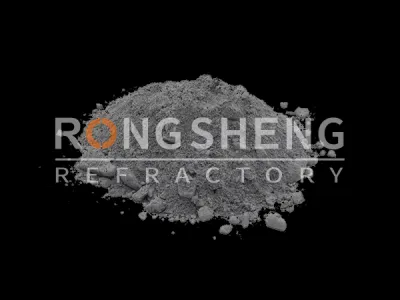 450
|
magnesium-aluminum bricks
redox reactions
stability analysis
450
|
magnesium-aluminum bricks
redox reactions
stability analysis
.jpg?x-oss-process=image/resize,h_300,m_lfit/format,webp) 300
|
wear-resistant materials
gasifier construction
industrial applications
material durability
300
|
wear-resistant materials
gasifier construction
industrial applications
material durability