
As a leading player in the steel industry, understanding the market dynamics of refractory bricks is essential for making informed decisions. Refractory bricks play a crucial role in the production process of steel, providing the necessary heat resistance and maintaining operational efficiency. In this analysis, I will explore the latest trends, applications, and growth drivers in this vital segment.
Currently, the refractory brick market is witnessing a surge due to increased steel production activities globally. Factors such as technological advancements and the rising demand for high-performance materials are propelling market growth. The emphasis on sustainability and recycling in steel production is also driving innovations in refractory materials.

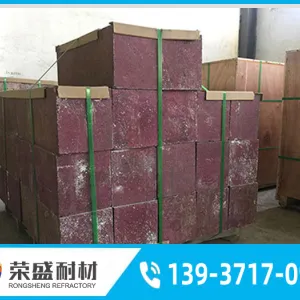
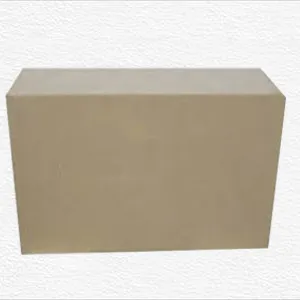
Refractory bricks are extensively used in various steel production facilities, including blast furnaces, electric arc furnaces, and ladles. Their ability to withstand extreme temperatures and corrosive environments makes them indispensable. Furthermore, the choice of refractory materials can significantly impact the overall efficiency and longevity of steel production equipment.
.jpg)
Several factors are contributing to the growth of the refractory brick market in the steel industry. These include:
- Increased Industrial Production: A rebound in demand for steel and related products is prompting higher production levels.
- Technological Innovation: Advancements in material science are leading to the development of better-performing refractory materials.
- Sustainability Initiatives: Industries are increasingly adopting eco-friendly practices, promoting the demand for high-quality refractories.
.jpg)
In summary, the refractory brick market in the steel industry is on an upward trajectory, driven by technological advancements and increasing demand for steel. As we continue to innovate and adapt to market needs, it is crucial to leverage these insights for strategic planning and operational excellence. Investing in high-quality refractory materials will ensure that we remain competitive in this ever-evolving industry.
.jpg?x-oss-process=image/resize,h_300,m_lfit/format,webp)
 259
|
259
|
 Abrasive Bricks
Technology Innovation
Durability
Abrasive Bricks
Technology Innovation
Durability
.jpg?x-oss-process=image/resize,h_300,m_lfit/format,webp) 250
|
lightweight refractory bricks
market analysis
construction materials
refractory industry
250
|
lightweight refractory bricks
market analysis
construction materials
refractory industry
.jpg?x-oss-process=image/resize,h_300,m_lfit/format,webp) 70
|
Aluminum Spinel Refractory Bricks
High-Performance Refractories
70
|
Aluminum Spinel Refractory Bricks
High-Performance Refractories
.jpg?x-oss-process=image/resize,h_300,m_lfit/format,webp) 341
|
induction furnace
protective materials
coil technology
341
|
induction furnace
protective materials
coil technology
.jpg?x-oss-process=image/resize,h_300,m_lfit/format,webp) 269
|
chrome corundum
refractory plastics
business efficiency
industrial materials
269
|
chrome corundum
refractory plastics
business efficiency
industrial materials








.jpg?x-oss-process=image/resize,m_fill,h_100,w_100/format,webp)
.jpg?x-oss-process=image/resize,m_fill,h_100,w_100/format,webp)
.jpg?x-oss-process=image/resize,m_fill,h_100,w_100/format,webp)