
The magnesium-aluminum brick market has shown promising growth over the past few years, driven by the increasing demand in various end-use industries such as construction, electronics, and automotive. According to recent data, the market is projected to expand at a CAGR of 5.2% during the forecast period of 2023-2028. This growth is attributed to the lightweight properties and high thermal resistance of magnesium-aluminum bricks, making them a preferred choice for numerous applications.

Several key trends are expected to shape the future of the magnesium-aluminum brick market. Firstly, the growing emphasis on eco-friendly materials is prompting manufacturers to innovate greener production processes. Additionally, the rise of urbanization and infrastructural development in emerging economies is likely to escalate the demand for magnesium-aluminum bricks. Furthermore, technological advancements in manufacturing are improving product quality and reducing costs.

Despite the positive outlook, the magnesium-aluminum brick market faces challenges such as fluctuating raw material prices and stringent regulations regarding material safety and performance. Nevertheless, there are ample opportunities for growth, particularly in developing innovative products that cater to specific industry needs, thus creating a niche market.

In conclusion, the magnesium-aluminum brick market presents a favorable outlook for stakeholders. By understanding current trends and identifying potential challenges, clients can make informed decisions that align with market dynamics. Continuous innovation and strategic partnerships will be key to harnessing growth opportunities in this evolving landscape.

 185
|
185
|
 blast furnace coatings
metallurgical industry
hot air stove technology
blast furnace coatings
metallurgical industry
hot air stove technology
.jpg?x-oss-process=image/resize,h_300,m_lfit/format,webp) 199
|
Abrasive Bricks
Technology Innovation
Durability
199
|
Abrasive Bricks
Technology Innovation
Durability
.jpg?x-oss-process=image/resize,h_300,m_lfit/format,webp) 93
|
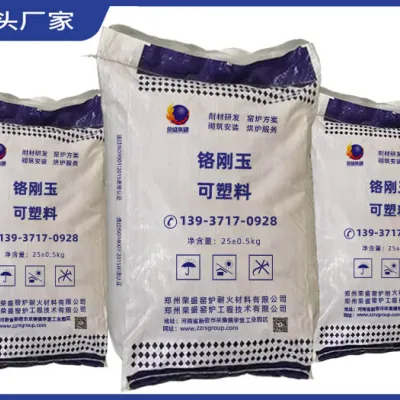
chrome corundum
refractory plastics
business efficiency
industrial materials
97
|
magnesium bricks
steel industry
market analysis
93
|
chrome corundum
refractory plastics
business efficiency
industrial materials
97
|
magnesium bricks
steel industry
market analysis
.jpg?x-oss-process=image/resize,h_300,m_lfit/format,webp) 48
|
Aluminum Spinel Refractory Bricks
High-Performance Refractories
48
|
Aluminum Spinel Refractory Bricks
High-Performance Refractories






.jpg?x-oss-process=image/resize,m_fill,h_100,w_100/format,webp)
.jpg?x-oss-process=image/resize,m_fill,h_100,w_100/format,webp)
