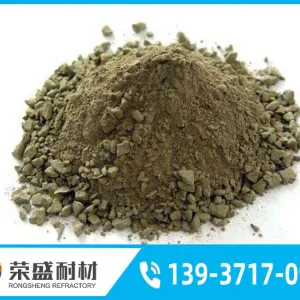
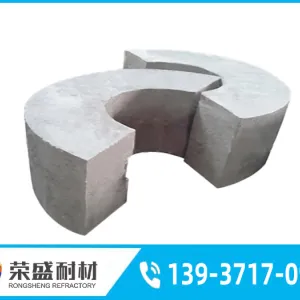
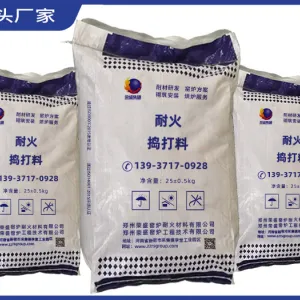
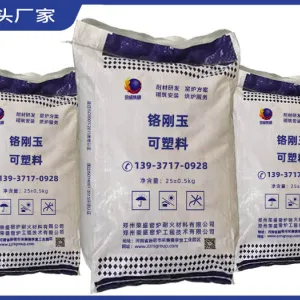
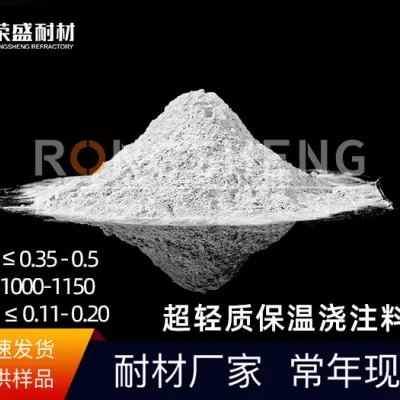
Refractory materials are crucial for the functioning of high-temperature equipment, such as furnaces, reactors, and kilns, where they provide both thermal insulation and structural integrity. Proper selection of these materials can significantly enhance the performance and lifespan of equipment, while also ensuring safety during operation.
When selecting refractory materials, several key factors must be taken into account:
There are various types of refractory materials, each suited for specific applications. Some common types include:

According to industry studies, selecting the right refractory materials can improve the operational life of high-temperature equipment by over 30%.
Additionally, using superior materials can lead to a reduction in energy consumption by up to 15%, thereby lowering operational costs.
To optimize refractory material selection, consider the following best practices:

Optimizing the selection of refractory materials is essential for enhancing the performance and durability of high-temperature equipment. By considering thermal resistance, chemical stability, and other critical factors, businesses can ensure operational efficiency, safety, and a better return on investment.

 130
|
130
|
 high alumina insulating bricks
energy-saving
industrial thermal processing
high alumina insulating bricks
energy-saving
industrial thermal processing
.jpg?x-oss-process=image/resize,h_300,m_lfit/format,webp) 158
|
safety measures
converter repairs
industrial safety
steelmaking process
repair techniques
158
|
safety measures
converter repairs
industrial safety
steelmaking process
repair techniques
.jpg?x-oss-process=image/resize,h_300,m_lfit/format,webp) 188
|
Imported Mullite Bricks
Mullite Brick Market
Refractory Materials
188
|
Imported Mullite Bricks
Mullite Brick Market
Refractory Materials
 498
|
wear resistance
corundum plastic
technical advantages
498
|
wear resistance
corundum plastic
technical advantages
 457
|
high aluminum shaped bricks
equipment lifespan
corrosion resistance
457
|
high aluminum shaped bricks
equipment lifespan
corrosion resistance