As someone deeply involved in the chemical and metallurgical industries, I understand that selecting the appropriate refractory materials is critical for operational efficiency and safety. Refractory materials are designed to withstand extreme temperatures and harsh environments, making them essential for furnace linings and other high-heat applications.
When choosing refractory materials, several properties must be prioritized: heat resistance, thermal shock stability, and chemical compatibility. For instance, materials that can endure temperatures exceeding 1650°C are often required in our operations. Moreover, their resistance to molten metal or slag penetration is equally crucial. According to recent studies, selecting materials with a high alumina content can significantly extend service life and reduce maintenance costs.
To assist in your selection, consider conducting a thorough analysis of your application requirements. Factors such as operating temperature, atmospheric conditions, and potential exposure to corrosive substances should guide your choice. Consulting with refractory manufacturers can provide valuable insights and help optimize your material selection process.
In conclusion, making informed decisions about refractory materials not only enhances operational efficiency but also supports safety within the chemical and metallurgical industries. By leveraging data and expert recommendations, I encourage you to embark on this journey towards selecting the right refractory materials for your specific needs. Remember, the cost of poor material selection can far outweigh the initial savings.


 340
|
340
|
 Al2O3-C Refractory
Power Industry
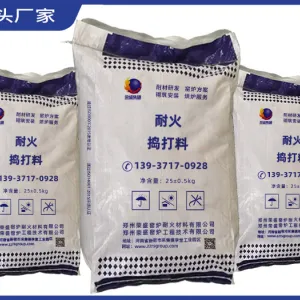
Tamping Materials
422
|
eco-friendly refractory materials
sustainable industry solutions
Al2O3-C Refractory
Power Industry
Tamping Materials
422
|
eco-friendly refractory materials
sustainable industry solutions
 145
|
refractory materials
corrosion resistance
industrial applications
heat resistant materials
145
|
refractory materials
corrosion resistance
industrial applications
heat resistant materials
 468
|
Acid resistant spray coating
Metallurgical industry
Application Status
Future Trends
Market opportunities
468
|
Acid resistant spray coating
Metallurgical industry
Application Status
Future Trends
Market opportunities
.jpg?x-oss-process=image/resize,h_300,m_lfit/format,webp) 300
|
Rongsheng
dry vibration material
scientific formula
300
|
Rongsheng
dry vibration material
scientific formula








.jpg?x-oss-process=image/resize,m_fill,h_100,w_100/format,webp)
.jpg?x-oss-process=image/resize,m_fill,h_100,w_100/format,webp)
.jpg?x-oss-process=image/resize,m_fill,h_100,w_100/format,webp)
.jpg?x-oss-process=image/resize,m_fill,h_100,w_100/format,webp)