As a passionate expert in the glass industry, I’ve encountered numerous challenges that affect production quality and efficiency. One of the critical issues is the need for materials that can withstand extreme temperatures without compromising structural integrity. The glass manufacturing process operates at high temperatures, often exceeding 1,500 degrees Celsius. This requires the use of refractory materials that not only resist heat but also contribute significantly to the overall efficiency of the production process.
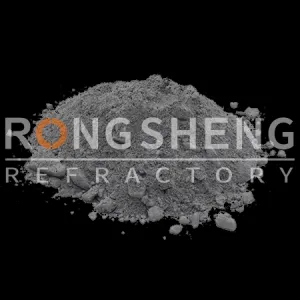
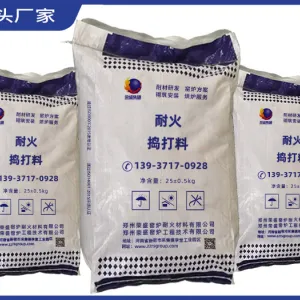
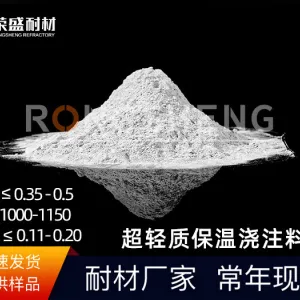
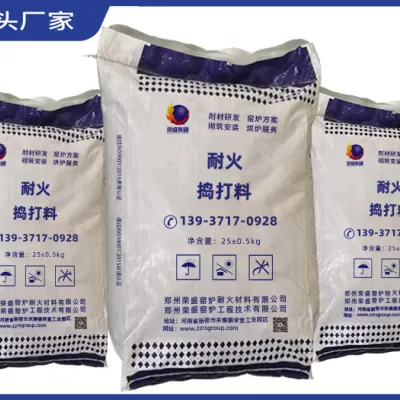
Refractory materials are essential for various applications in the glass industry, serving as linings for furnaces, kilns, and other high-temperature equipment. Their thermal resistance properties are crucial in maintaining the necessary heat levels while preventing energy losses. By using high-quality refractory materials, manufacturers can achieve:
To solve these challenges, manufacturers must prioritize selecting suitable refractory materials tailored to their specific processes. Investing in advanced materials such as high-alumina refractories provides better thermal stability and can withstand the harsh conditions found in glass production. I am particularly excited about recent advancements in these materials that offer not only durability but also reduce environmental impact. Better insulation leads to reduced energy consumption, which is crucial for sustainability in modern manufacturing.
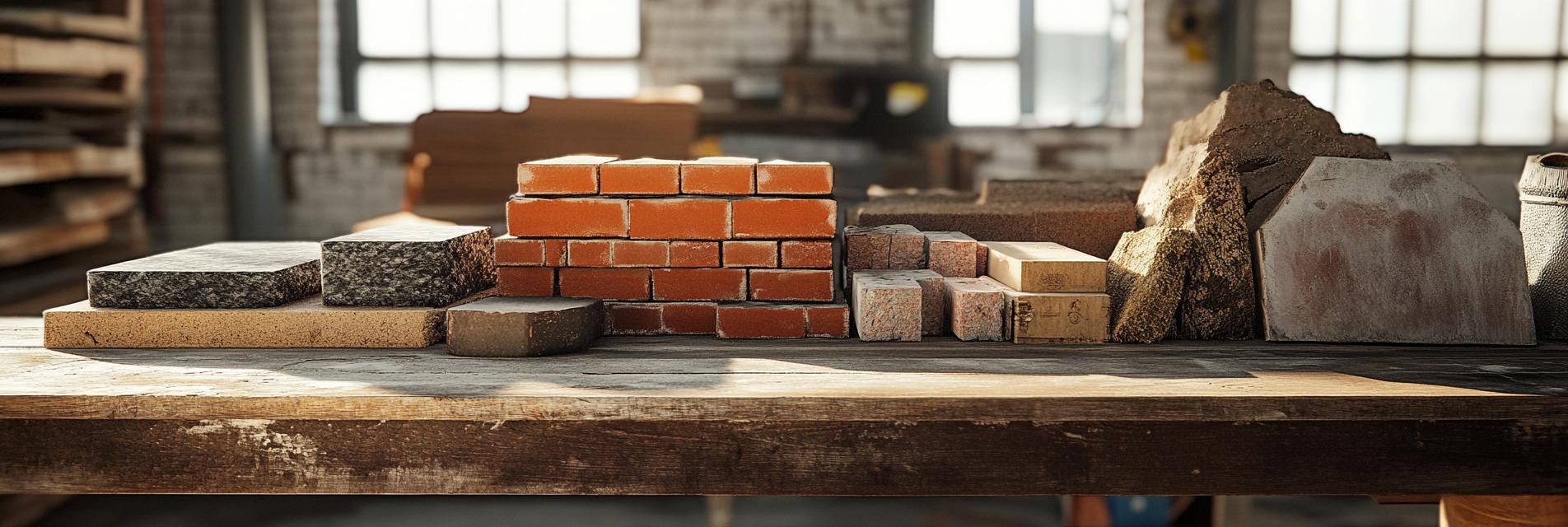
The choice of refractory materials in the glass industry is not merely a technical consideration; it’s a strategic component that affects the overall business performance. I urge industry professionals to recognize the importance of these materials and invest in ongoing research and development to optimize their properties further. By doing so, we can ensure a more efficient, sustainable, and high-quality glass production process that meets the demands of the future.
 133
|
133
|
 alumina refractory
high temperature insulation
industrial applications
ceramic materials
alumina refractory
high temperature insulation
industrial applications
ceramic materials
 302
|
market analysis
industry trends
future outlook
302
|
market analysis
industry trends
future outlook
 336
|
safety production
high-temperature materials
electric furnace coil
336
|
safety production
high-temperature materials
electric furnace coil
 151
|
electric insulation mud
electrical insulation
insulation materials
energy efficiency
electrical safety
151
|
electric insulation mud
electrical insulation
insulation materials
energy efficiency
electrical safety
 392
|
refractory linings
industrial insulation
high-temperature materials
thermal management
refractory solutions
392
|
refractory linings
industrial insulation
high-temperature materials
thermal management
refractory solutions