In the rapidly evolving landscape of the metallurgy industry, the role of refractory materials has become increasingly vital. These materials are essential for withstanding high temperatures and chemical attacks in production processes. As an industry insider, I’ve witnessed how advancements in refractory technology are not just improving product performance but are also shaping the future of the entire metallurgy sector.
One of the pressing challenges faced by metallurgy companies is the need for materials that can maintain integrity at extreme temperatures, hence ensuring efficiency and safety. Traditional refractory options are often inadequate, leading to operational downtimes and increased costs. This realization has pushed manufacturers to look toward innovative solutions.
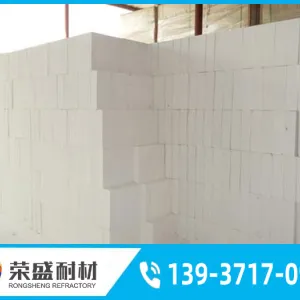
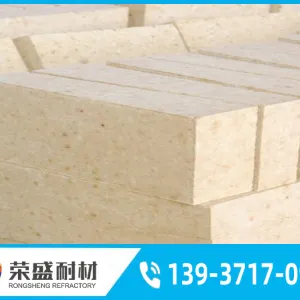
Nozzle bricks, a specific type of refractory material, have seen significant advancements due to recent technological innovations. These bricks are now engineered to have enhanced thermal shock resistance and reduced wear, which are crucial for optimizing the flow of molten metals. For instance, through the incorporation of advanced ceramics and composite materials, the lifespan of nozzle bricks can be extended considerably.
Furthermore, manufacturers are focusing on incorporating smart technologies that provide real-time data about the condition of the bricks, allowing for proactive maintenance strategies. This not only enhances product performance but also aligns with sustainable practices by minimizing waste.
As the metallurgy industry gears towards greater efficiency, the demand for high-performance refractory materials is soaring. According to recent industry reports, the market for refractory materials is expected to grow significantly, fueled by increased production capacities and technological advancements.
In conclusion, refractory materials, particularly nozzle bricks, are not just a component of the metallurgy industry; they are pivotal in driving its evolution. By focusing on technological innovation and adapting to market trends, stakeholders can capitalize on the burgeoning opportunities this segment offers.


 97
|
97
|
 Lightweight Insulation Bricks
High-Alumina Thermal Bricks
Lightweight Insulation Bricks
High-Alumina Thermal Bricks
 328
|
high-temperature insulation
thermal insulation materials
industrial insulation
temperature management
heat-resistant materials
328
|
high-temperature insulation
thermal insulation materials
industrial insulation
temperature management
heat-resistant materials
 188
|
blast furnace coatings
metallurgical industry
hot air stove technology
297
|
Market Analysis
Development Trends
Industry Outlook
188
|
blast furnace coatings
metallurgical industry
hot air stove technology
297
|
Market Analysis
Development Trends
Industry Outlook
 12
|
Magnesium-Aluminum Bricks
Electric Furnace Applications
12
|
Magnesium-Aluminum Bricks
Electric Furnace Applications