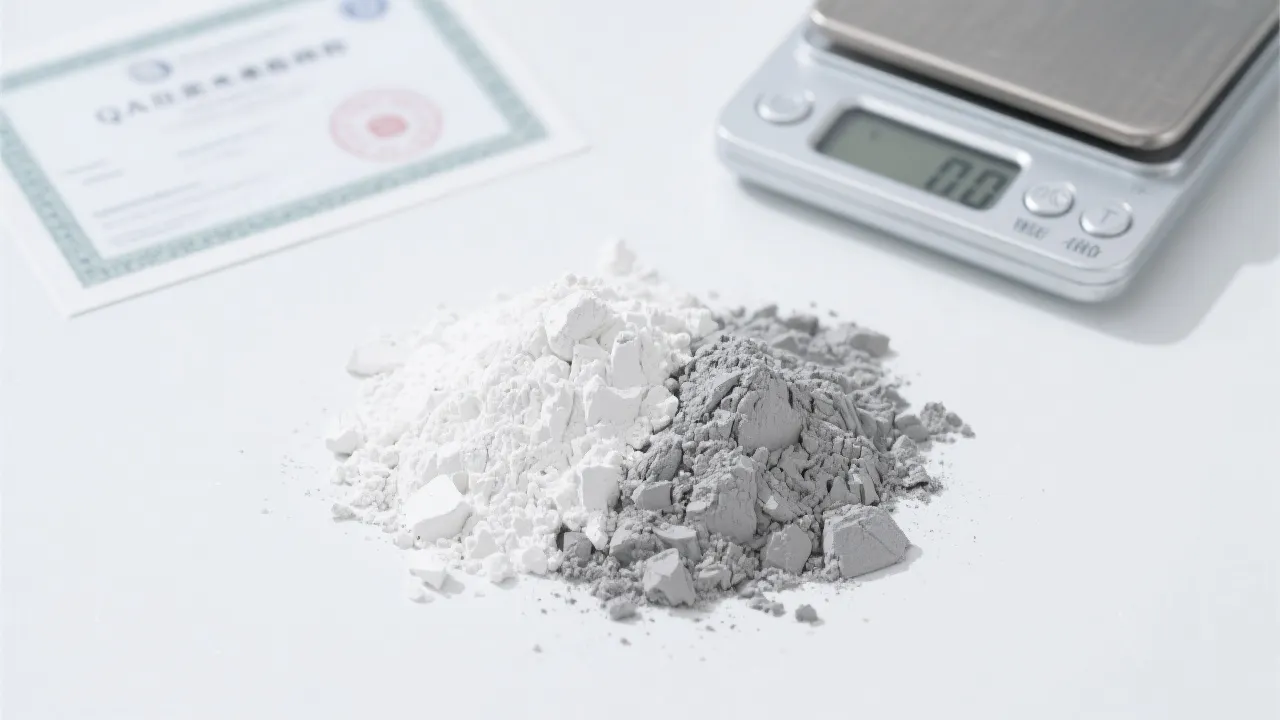
Key Technologies for High-Temperature, Corrosion-Resistant Refractories in Glassmaking
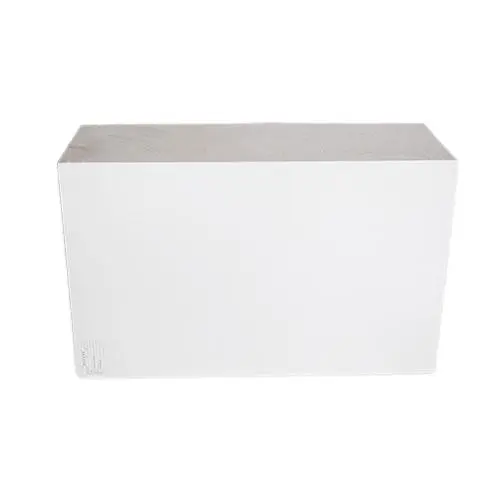
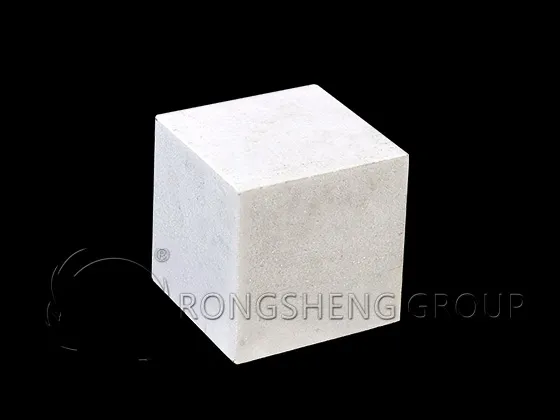
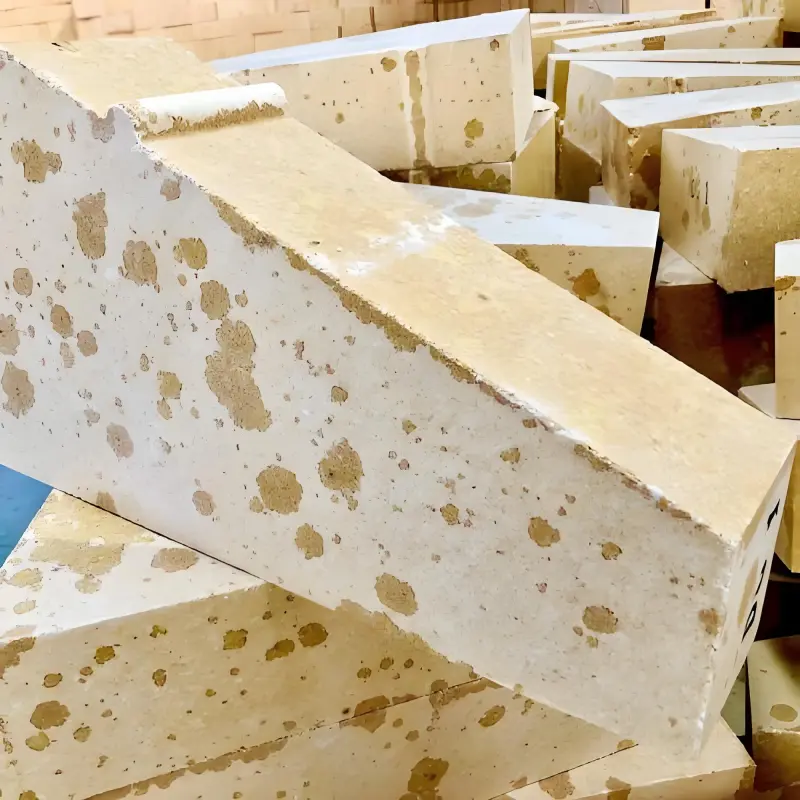
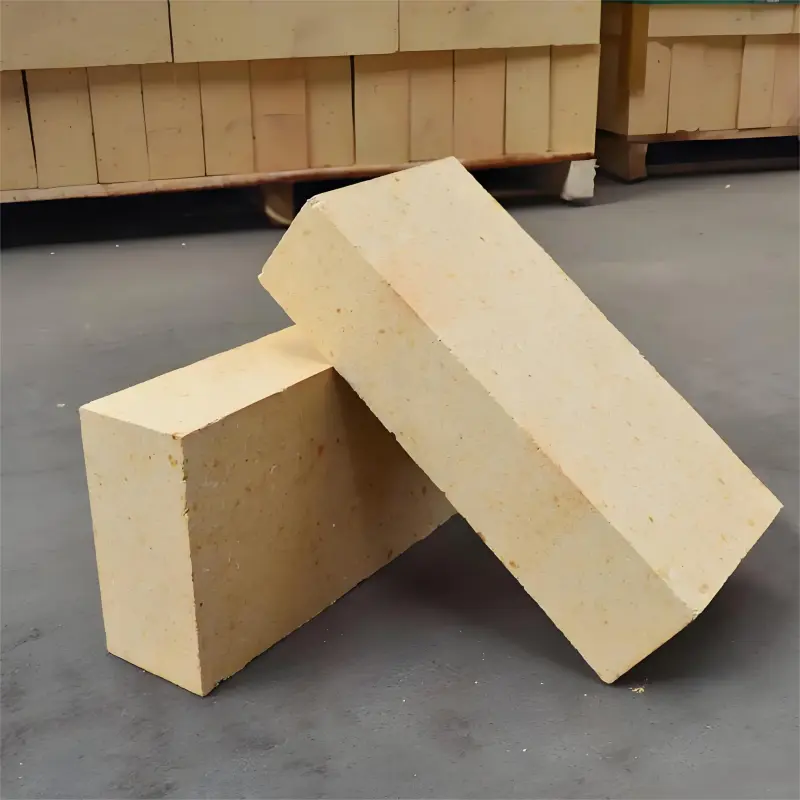
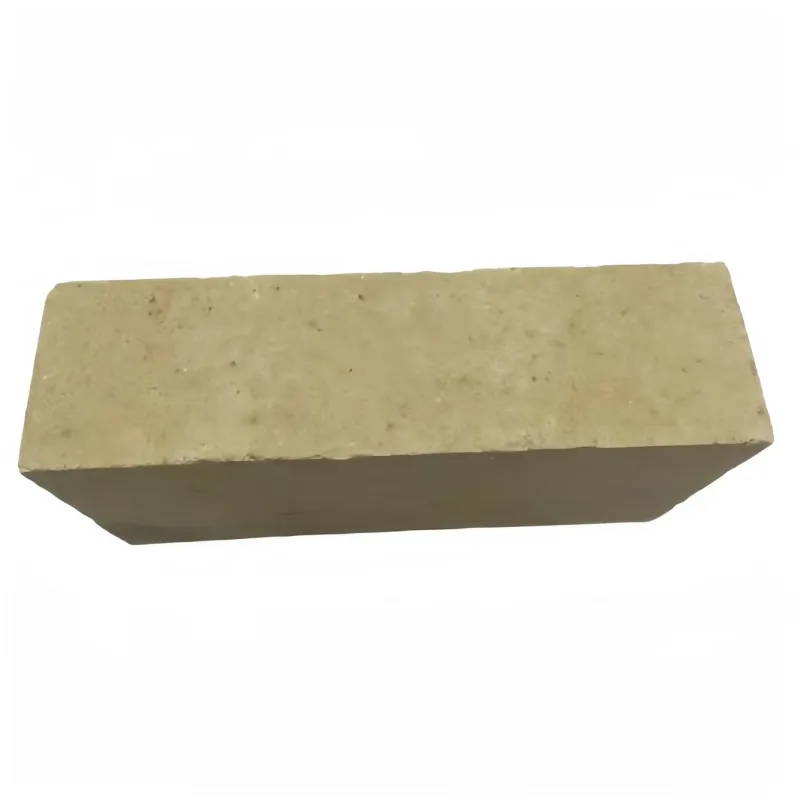
This technical brief examines why ultra-high-purity β-alumina blocks (RTK-H series) are emerging as a preferred refractory for glass-melting furnaces subject to strong alkaline vapors and sustained high temperatures. The analysis focuses on microstructure, mechanical metrics, alkali corrosion resistance and cross-industry applicability.
Core material requirements for glass-melting furnaces
Glass production places three concurrent demands on furnace linings: thermal stability at sustained temperatures (often 1400–1600°C in many processes), resistance to alkaline vapor attack (from Na2O/K2O in the melt and vapor), and mechanical integrity under thermal cycling. From a materials-selection perspective, the most influential parameters are:
- Phase purity and chemical composition (Al2O3 content and impurity species)
- Bulk density and open porosity (which control vapor penetration and melt infiltration)
- Cold crushing strength and thermal shock resistance
- Alkali vapor corrosion mechanism and rate
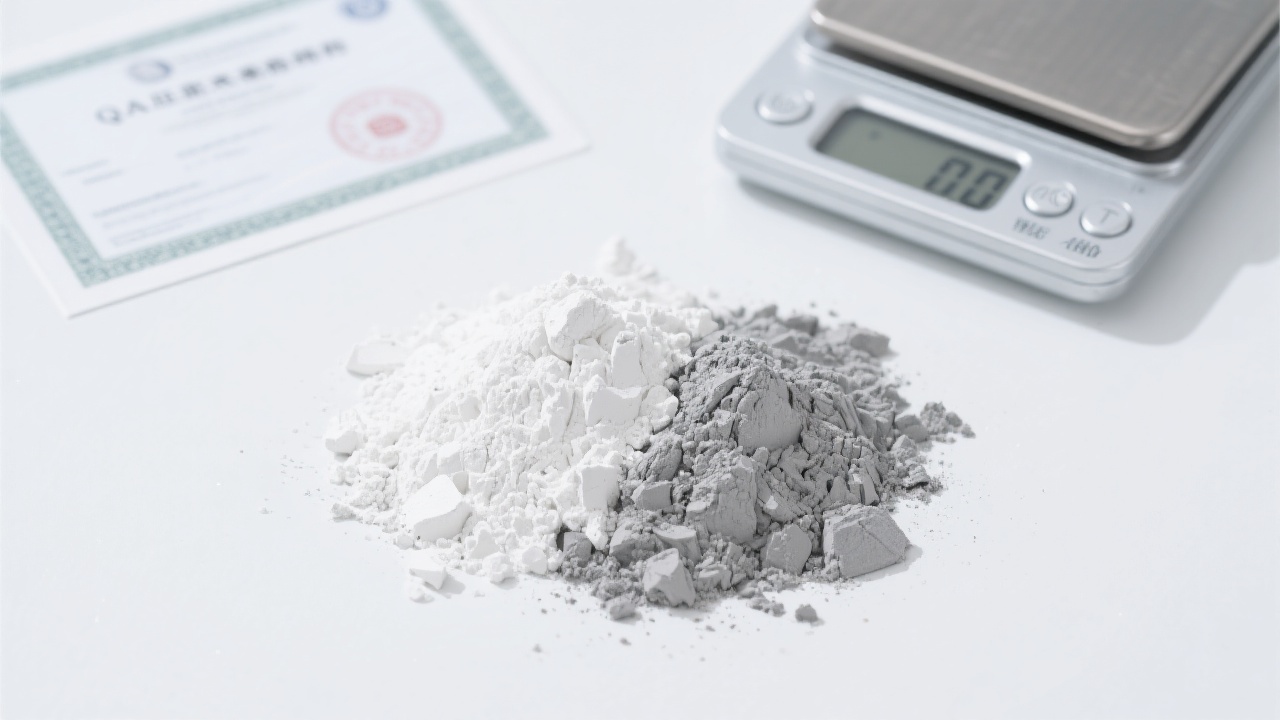
Why RTK-H (high-purity β-alumina) outperforms traditional options
RTK-H is engineered for environments where alkali vapors and prolonged high temperatures accelerate degradation. Key differentiators include:
- Near-zero impurity content: Typical Al2O3 purity: 99.5–99.9% — minimizing fluxing phases that form low-melting eutectics.
- Exceptional density and low open porosity: Bulk density > 3.6 g/cm³ and apparent porosity < 1.5% reduce vapor ingress and chemical attack pathways.
- High mechanical strength: Cold crushing strength in the range 220–350 MPa supports load-bearing furnace roofs and regenerator walls under thermal cycling.
- High refractoriness and creep resistance: Service temperatures up to ~1750°C and markedly reduced creep at 1400–1600°C compared with high-alumina castables.
- Alkali vapor resistance: Dense microstructure and low solubility of alkali in the β-Al2O3 matrix limit penetration and reaction, reducing corrosion rates by an industry-typical 40–70% compared with conventional high-alumina bricks in accelerated tests.
These metrics translate to measurable operational benefits: longer campaign life, fewer unplanned outages, and lower melt contamination risk that otherwise degrades glass optical and mechanical quality.
Technical mechanisms: how structure resists alkali vapor and high temperature
Three mechanisms are most relevant:
- Physical barrier effect: Low open porosity prevents capillary transport and reduces condensate formation inside the lining.
- Chemical inertness: Minimal fluxing impurities (Fe, Si, Na, K) reduce formation of low-melting compounds that facilitate spalling and glass contamination.
- Microstructural stability: A dominant corundum-like phase and tightly packed grains lower grain-boundary diffusion rates for alkali species, thereby slowing corrosion kinetics.
Performance comparison — Typical lab benchmark data
The table below summarizes representative metrics from comparative furnace-lining tests (values indicate typical ranges observed in controlled tests).
| Property | RTK-H (β-alumina) | Conventional high-alumina brick | Fused-cast AZS |
|---|---|---|---|
| Al2O3 purity | 99.5–99.9% | 86–92% | 75–90% |
| Apparent porosity | <1.5% | 3–10% | 2–6% |
| Cold crushing strength (MPa) | 220–350 | 120–220 | 150–260 |
| Relative alkali corrosion loss (accelerated test) | Baseline (lowest) | ~1.6× loss | ~1.3× loss |
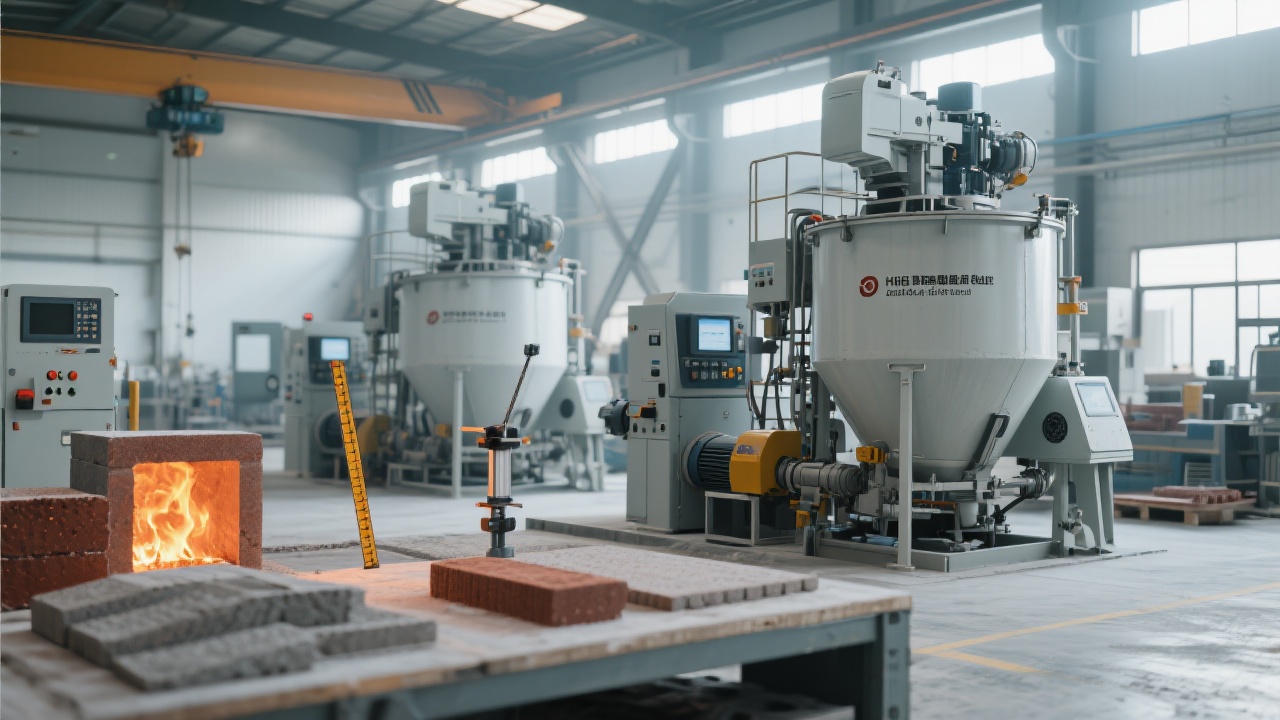
Industry use-cases and economic impact
Several glassmakers and adjacent heavy industries test-fired RTK-H in critical zones and reported the following typical outcomes after initial campaigns:
- Campaign extension: lining lifetimes extended by 20–40% in alkali-rich furnace zones.
- Quality control: measurable reduction in bubble inclusions and devitrification-related defects attributable to lower alkali-source contamination.
- Maintenance & downtime: fewer emergency repairs and a predictable maintenance window, lowering total cost of ownership (TCO) despite a higher initial material cost.
Beyond glass, power-generation boilers, steel reheat zones and some petrochemical high-temperature reactors have adopted similar high-purity refractories where alkali ingress or aggressive gases are present — emphasizing cross-industry applicability.
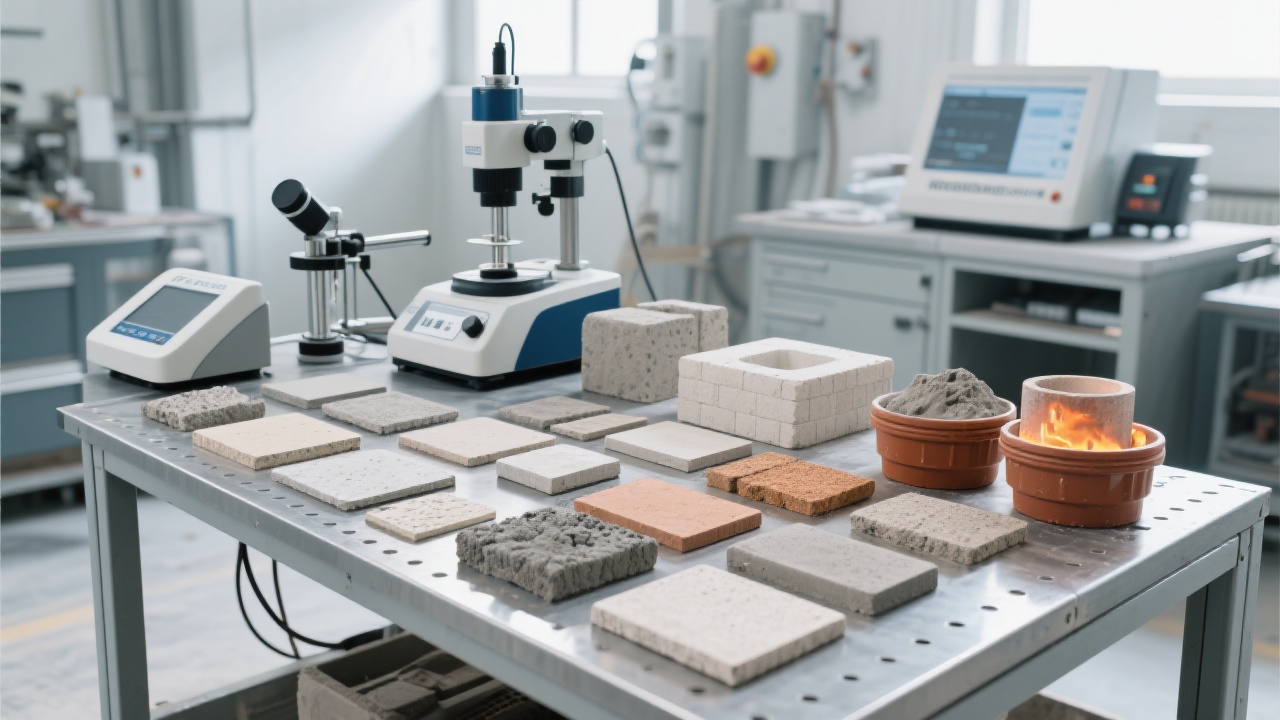
Practical guidance for specification and selection
When assessing RTK-H for your furnace design, engineers should consider:
- Target operating temperature and local hot-spot profiles — match RTK-H grades to maximum sustained temperatures rather than peak transients.
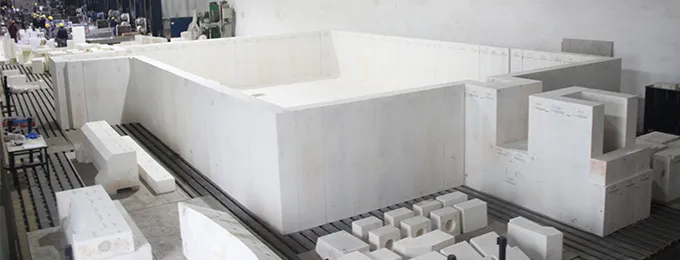
- Zone-specific selection — use RTK-H where alkali vapor concentration and melt contact risk are highest, combine with other insulating or abrasion-resistant materials elsewhere.
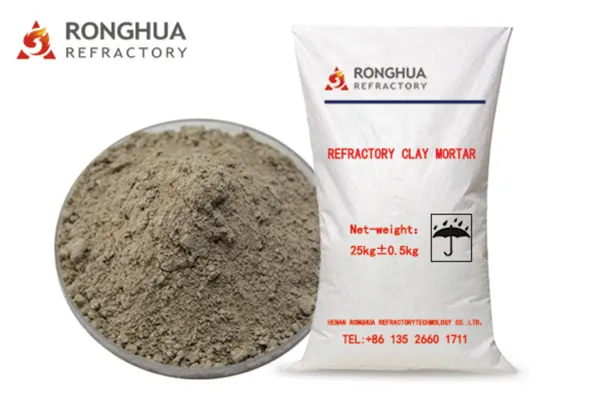
- Installation workmanship — dense bricks require high-precision jointing and compatible mortars to preserve the barrier effect.
- Validation testing — perform short-term alkali vapor exposure and mechanical cycling tests under representative conditions to predict campaign performance.
Suggested infographics and figures for technical communication
For white papers or sales engineering decks, include:
- Temperature vs. creep-resistance curve comparing RTK-H and alternatives (line chart).
- Alkali penetration depth after controlled exposure (bar chart with time-series).
- Lifecycle TCO model illustrating break-even points vs initial material cost (stacked bar chart).
Next steps for engineers and procurement
Many leading glass manufacturers have piloted RTK-H blocks in their most alkali-exposed zones with favorable early results. For detailed test certificates, installation guidelines and engineering support, teams can request the complete technical dossier.
Includes datasheets, test reports and recommended lining strategies for alkali-rich glass furnaces.