
In the world of metallurgy, the performance and longevity of equipment are heavily influenced by the materials used within their construction. Among these materials, refractories play a crucial role in safeguarding metallurgical equipment against extreme conditions. This article delves into the importance of selecting the right refractories, discussing their impact on equipment lifespan and operational efficiency.
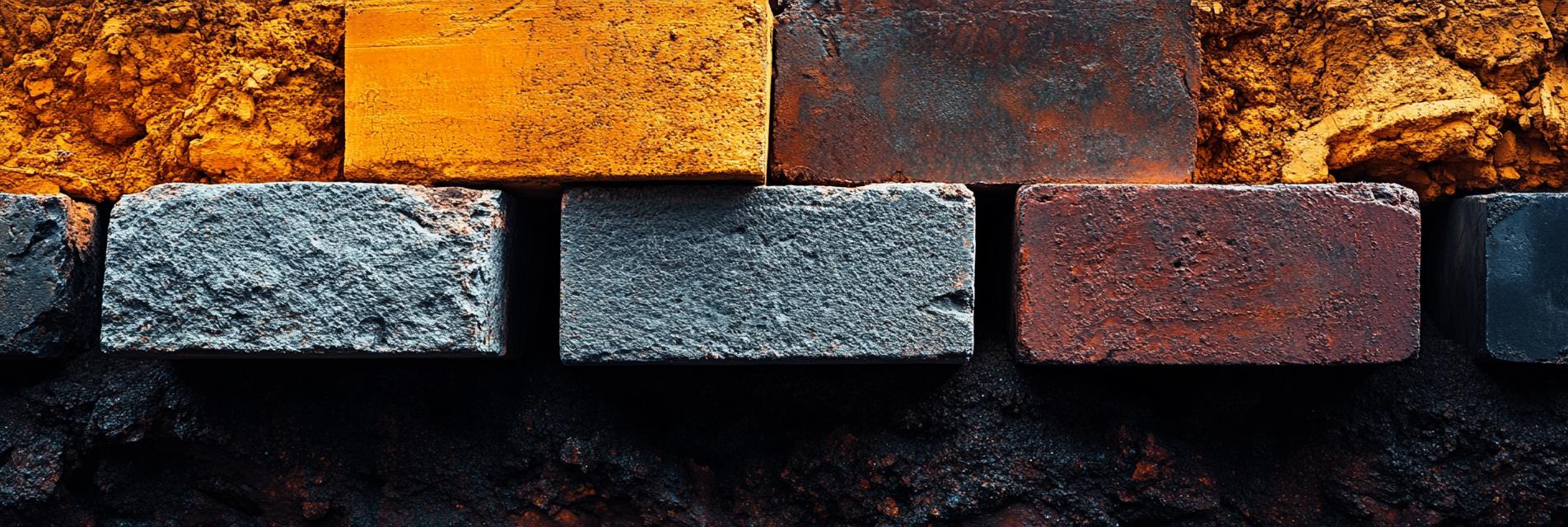
Refractories are specialized materials designed to withstand high temperatures and harsh environments. They are essential in metallurgical processes where equipment is regularly exposed to molten metals, slag, and other aggressive substances. The choice of refractory materials can dramatically affect not only the performance of the equipment but also its overall lifespan.
When selecting refractories, several key factors must be considered:
The industry continuously sees advancements in refractory technologies. Innovative high-temperature materials, such as alumina-silica and zirconia, have emerged to deliver superior performance. These materials are designed to improve thermal shock resistance and reduce wear, leading to longer-lasting equipment.
To enhance equipment lifespan, industry professionals recommend adhering to best practices:
The right selection and application of refractories can significantly enhance the lifespan and efficiency of metallurgical equipment. By taking the time to understand the various types of refractories and their specific applications, companies can ensure their investments in equipment are protected, ultimately leading to increased productivity and reduced operational costs.

 264
|
264
|
 high hardness refractory materials
industrial refractory solutions
high hardness refractory materials
industrial refractory solutions
.jpg?x-oss-process=image/resize,h_300,m_lfit/format,webp) 104
|
high-alumina insulating bricks
energy-saving heat processing
industrial thermal equipment
104
|
high-alumina insulating bricks
energy-saving heat processing
industrial thermal equipment
.jpg?x-oss-process=image/resize,h_300,m_lfit/format,webp) 312
|
fire-resistant materials
high-temperature applications
material selection
312
|
fire-resistant materials
high-temperature applications
material selection
 100
|
safety production
high-temperature materials
electric furnace coil
100
|
safety production
high-temperature materials
electric furnace coil
 372
|
furnace insulation
refractory materials
thermal insulation
372
|
furnace insulation
refractory materials
thermal insulation








.jpg?x-oss-process=image/resize,m_fill,h_100,w_100/format,webp)

.jpg?x-oss-process=image/resize,m_fill,h_100,w_100/format,webp)
.jpg?x-oss-process=image/resize,m_fill,h_100,w_100/format,webp)
