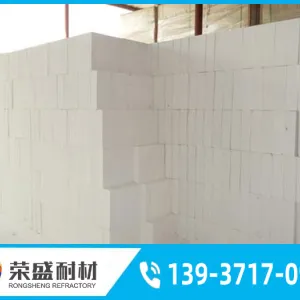
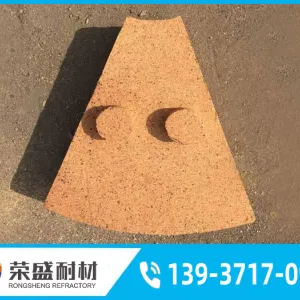
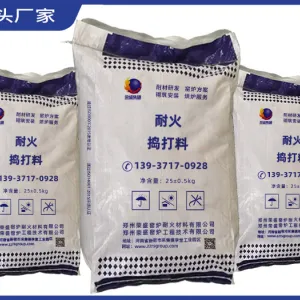
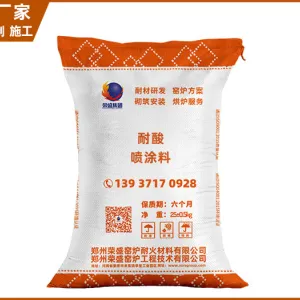
Magnesium-alumina bricks are essential materials used in a variety of industrial applications, particularly in high-temperature environments. Their stability during redox reactions is critical for ensuring optimal performance and longevity in processes such as steel production and non-ferrous metallurgy.
The stability of magnesium-alumina bricks in redox environments is influenced by several factors, including the material composition, temperature, and the presence of reactive species. Research indicates that the proper formulation of these bricks can significantly enhance their resistance to oxidation and reduction, thereby extending their service life.
In industries such as metallurgy, magnesium-alumina bricks are applied within furnaces and kilns where they face extreme conditions. The ability of these bricks to withstand aggressive chemical reactions makes them invaluable for improving process efficiency and reducing downtime.
In conclusion, magnesium-alumina bricks play a pivotal role in various industrial applications. By understanding the factors that influence their stability in redox reactions, we can better appreciate their contribution to enhancing performance and longevity across multiple chemical processes.

.jpg?x-oss-process=image/resize,h_300,m_lfit/format,webp)
 327
|
327
|
 furnace lining
industrial furnace
heat resistance
thermal insulation
furnace lining
industrial furnace
heat resistance
thermal insulation
 393
|
Energy Efficient Refractories
Sustainable Materials
High-Temperature Applications
Industrial Insulation
393
|
Energy Efficient Refractories
Sustainable Materials
High-Temperature Applications
Industrial Insulation
 193
|
water-cooled tiles
high-performance ceramics
USA industries
thermal management
energy efficiency
193
|
water-cooled tiles
high-performance ceramics
USA industries
thermal management
energy efficiency
 395
|
International Market
Application Trends
Technological Innovation
38
|
Al2O3-C Refractory
Power Industry
Tamping Materials
395
|
International Market
Application Trends
Technological Innovation
38
|
Al2O3-C Refractory
Power Industry
Tamping Materials