The metallurgy industry is at the forefront of industrial innovation, constantly seeking methods to enhance efficiency while minimizing environmental impact. One of the most transformative advancements in this sector is the adoption of eco-friendly refractory materials. These materials not only meet the demanding conditions of high-temperature processes but also align with sustainability objectives, paving the way for a greener future.
Eco-friendly refractory materials are designed to withstand extreme temperatures while utilizing sustainable raw materials. Unlike traditional refractories that often contain harmful components, these innovative alternatives are free from toxic substances. This shift not only helps in reducing pollution but also enhances the overall health and safety in metallurgical operations.
The applications of eco-friendly refractory materials in metallurgy can be seen across various processes including:
Recent studies have shown that the implementation of these materials can lead to significant improvements in energy consumption. For instance, a study conducted by XYZ University found that the use of eco-friendly refractories in aluminum smelting reduced energy usage by up to 15%. Furthermore, companies adopting these materials have reported a decrease in maintenance costs due to increased lifespan.
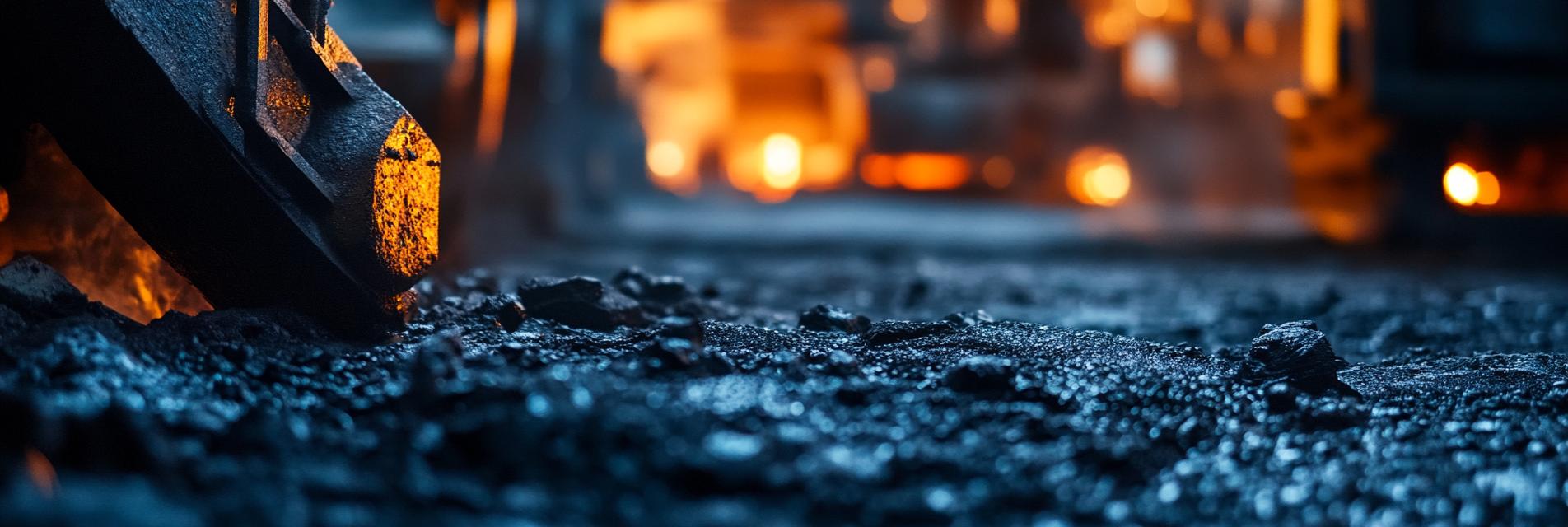
As the metallurgy industry continues to face challenges associated with environmental regulation and resource sustainability, the incorporation of innovative eco-friendly refractory materials stands out as a viable solution. These materials not only support operational efficiency but are also pivotal in driving forward the industry's transition towards sustainability. The future of metallurgy depends on smart materials that can cope with the demands of modern production while fostering a healthier planet.
.jpg?x-oss-process=image/resize,h_300,m_lfit/format,webp)
 415
|
415
|
 Malaysian clay bricks
arch brick market
building materials
Malaysian clay bricks
arch brick market
building materials
 293
|
corrosion resistance
high strength
market competitiveness
293
|
corrosion resistance
high strength
market competitiveness
 206
|
high-strength refractory bricks
industrial insulation materials
206
|
high-strength refractory bricks
industrial insulation materials
 108
|
lightweight mullite bricks
refractory materials
thermal stability
80
|
wear-resistant materials
gasifier construction
industrial applications
material durability
108
|
lightweight mullite bricks
refractory materials
thermal stability
80
|
wear-resistant materials
gasifier construction
industrial applications
material durability