In today's industrial landscape, the quest for sustainability and economic efficiency is more pressing than ever. As a leader in the aluminum metallurgy field, I firmly believe that non-stick aluminum casting materials stand at the intersection of these two critical objectives. In this article, I will delve into the dual advantages of these innovative materials, highlighting how they can elevate both environmental performance and profitability.
Aluminum production is notorious for its environmental impact, including high energy consumption and significant waste generation. Traditional casting materials, often coated with harmful substances, can exacerbate these issues, leading to unsustainable practices and regulatory challenges. The industry needs a solution that not only addresses ecological concerns but also enhances production efficiency.
Non-stick aluminum casting materials present a viable solution to these environmental challenges. By reducing the need for chemical coatings, they minimize harmful emissions and waste. Their unique properties allow for smoother casting processes, significantly cutting down on energy consumption. As a result, aluminum producers can not only comply with environmental regulations but also strengthen their bottom line.
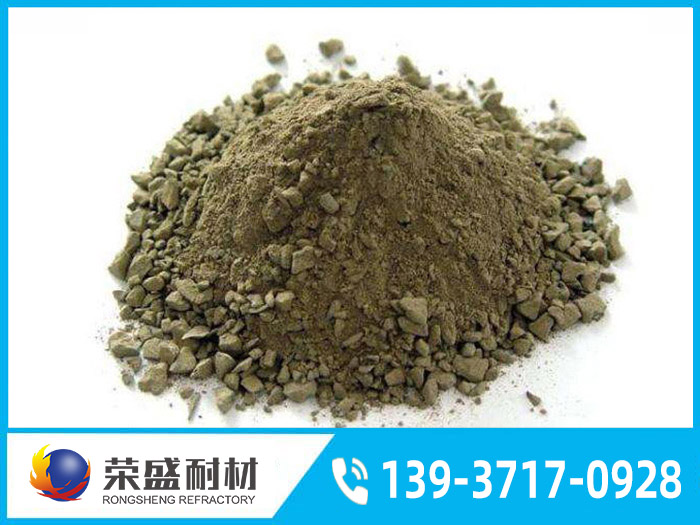
The use of non-stick aluminum casting materials dramatically decreases the environmental footprint. With less waste and lower energy usage, these materials provide a pathway towards greener production methods. This aligns with global trends towards sustainability, making businesses more competitive in a market that increasingly values eco-friendliness.
Economically, these materials offer significant cost savings by enhancing production efficiency. The reduced need for external coatings and lower energy requirements translate to lower operational costs. Companies adopting non-stick aluminum casting are likely to see increased profitability while contributing positively to the environment.
In conclusion, non-stick aluminum casting materials represent a dual advantage in the aluminum metallurgy industry. By enhancing both environmental sustainability and economic efficiency, they pave the way for smarter, more responsible production practices. As the industry continues to evolve, embracing these innovative materials is not just beneficial—it's essential for long-term success.
.jpg?x-oss-process=image/resize,h_300,m_lfit/format,webp)
 322
|
322
|
 high-strength mullite
castables
high-temperature industries
high-strength mullite
castables
high-temperature industries
.jpg?x-oss-process=image/resize,h_300,m_lfit/format,webp) 499
|
Steel Ladle
Porous Bricks
Steelmaking
499
|
Steel Ladle
Porous Bricks
Steelmaking
 138
|
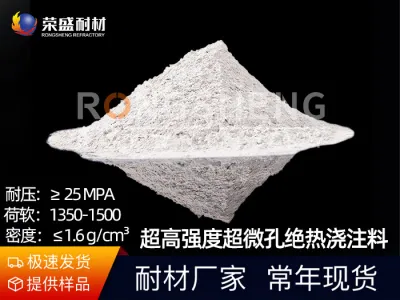
Ultra-high strength material
Ultra-microporous insulation
Research progress
138
|
Ultra-high strength material
Ultra-microporous insulation
Research progress
.jpg?x-oss-process=image/resize,h_300,m_lfit/format,webp) 283
|
Refractory spraying
Refractory Technology
Coating Technology
High temperature protection
Industrial Applications
283
|
Refractory spraying
Refractory Technology
Coating Technology
High temperature protection
Industrial Applications
.jpg?x-oss-process=image/resize,h_300,m_lfit/format,webp) 160
|
Southeast Asia
Mullite Brick
supply chain management
Building Materials
market trend
160
|
Southeast Asia
Mullite Brick
supply chain management
Building Materials
market trend




.jpg?x-oss-process=image/resize,m_fill,h_100,w_100/format,webp)

.jpg?x-oss-process=image/resize,m_fill,h_100,w_100/format,webp)