In recent years, industries across the globe have been responding to the urgent call for environmental sustainability. The circulating fluidized bed (CFB) boiler industry is no exception, adopting innovative technologies to reduce emissions and improve efficiency. This green revolution reflects a significant shift towards eco-friendly practices that not only benefits the environment but also enhances operational performance.
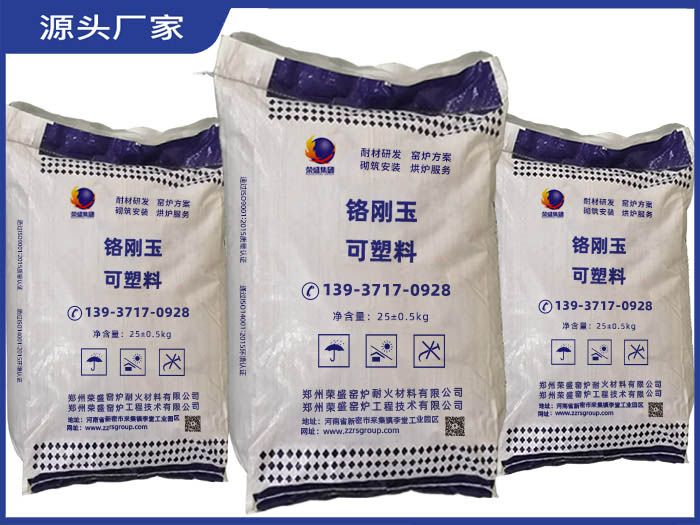
The adoption of chrome corundum refractory plastics is a game-changing innovation in the CFB boiler industry. This advanced material is characterized by its exceptional thermal stability and resistance to abrasion, making it ideal for high-temperature operating environments. By utilizing these plastics, manufacturers are able to enhance the longevity and efficiency of their boilers, thereby reducing the need for frequent replacements and maintenance.
The introduction of green technologies, including the use of chrome corundum refractoriness plastics, plays a crucial role in minimizing the environmental footprint of CFB boilers. These materials contribute to lower emissions of harmful gases and improve energy efficiency, aligning with global sustainability goals. According to recent studies, industries adopting these technologies have reported up to 30% reduction in emissions and operational costs, highlighting both ecological and financial benefits.
The ongoing green revolution in the CFB boiler industry is driven by a commitment to environmental preservation and sustainable practices. With innovations such as chrome corundum refractory plastics, the industry is not only enhancing operational efficiency but also making significant strides towards reducing its ecological impact. As this trend continues to evolve, it is poised to set a benchmark for industrial practices worldwide.

 384
|
384
|
 Magnesia Alumina Brick
High temperature materials
Thermal shock stability
Brand Story
Technical advantages
Magnesia Alumina Brick
High temperature materials
Thermal shock stability
Brand Story
Technical advantages
.jpg?x-oss-process=image/resize,h_300,m_lfit/format,webp) 142
|
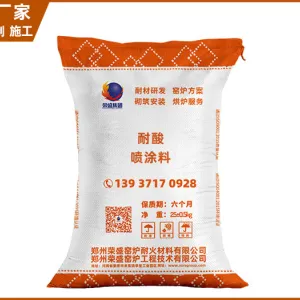
Acid resistant spray coating
Market analysis
Industry Trends
Refractory materials
market expectation
142
|
Acid resistant spray coating
Market analysis
Industry Trends
Refractory materials
market expectation
 388
|
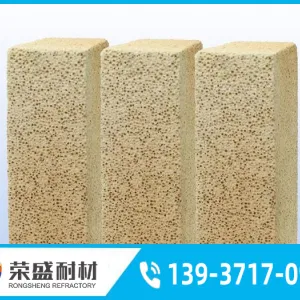
Clay refractory bricks
Global Market
Application Trends
Emerging Markets
Building Materials
388
|
Clay refractory bricks
Global Market
Application Trends
Emerging Markets
Building Materials





.jpg?x-oss-process=image/resize,m_fill,h_100,w_100/format,webp)
.jpg?x-oss-process=image/resize,m_fill,h_100,w_100/format,webp)
.jpg?x-oss-process=image/resize,m_fill,h_100,w_100/format,webp)