As an industry expert, I have always recognized the complex demands placed on materials used in high-temperature settings. Magnesium-aluminum bricks are particularly noteworthy for their ability to withstand extreme conditions. However, one of their standout features is their spalling resistance. What does that mean for the construction and operation of high-temperature kilns? In this article, I will elaborate on this crucial performance aspect that directly impacts the efficiency and life span of these kilns.
In simple terms, spalling refers to the cracking, flaking, or breaking off of layers from a material due to thermal stress. High-temperature kilns experience substantial shifts in temperature, necessitating materials that can endure these rapid changes without degradation. When magnesium-aluminum bricks possess excellent spalling resistance, they help ensure that kilns operate smoothly, significantly reducing maintenance work and downtime.
To combat spalling, investing in high-quality magnesium-aluminum bricks is essential. These bricks provide not only spalling resistance but also thermal stability, which is paramount in creating a consistent operational environment within kilns. This leads to higher efficiency, allowing for better energy conservation and cost savings over time.
Utilizing magnesium-aluminum bricks enhances kiln performance in several ways:
In summary, the spalling resistance of magnesium-aluminum bricks plays a pivotal role in enhancing the longevity and efficiency of high-temperature kilns. Understanding and prioritizing these characteristics during the selection of refractory materials can lead to remarkable improvements in operational output.
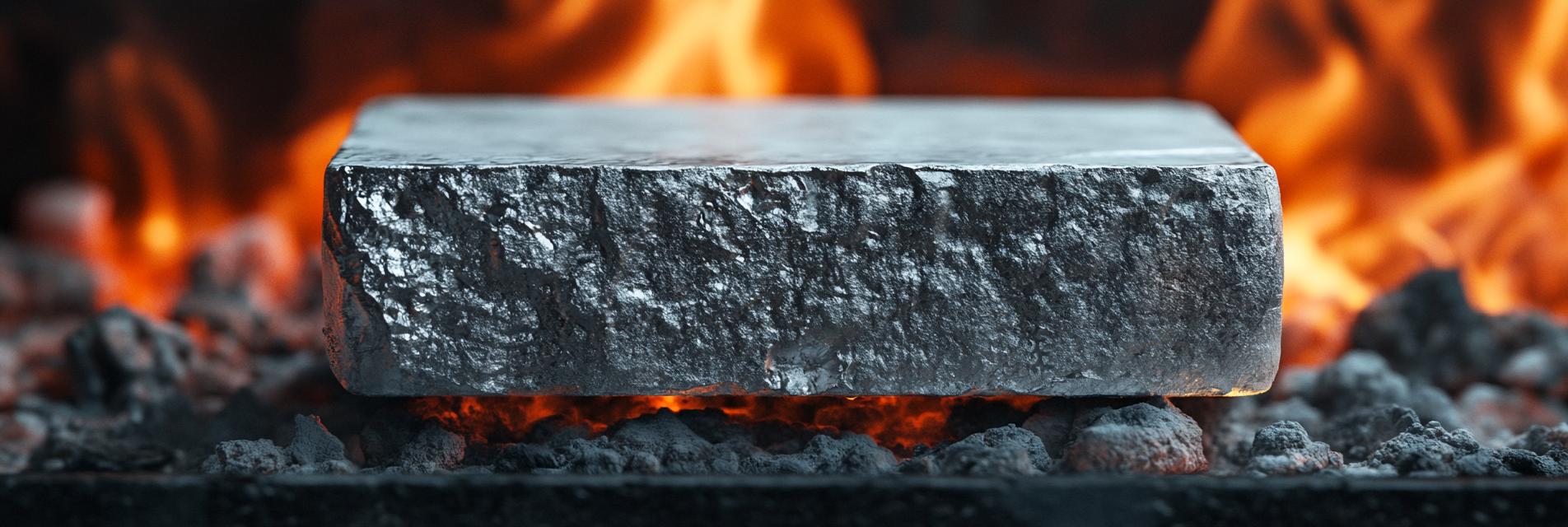
With the right materials, we can set the stage for not only durability but also efficiency in high-temperature kiln operations. I encourage manufacturers and plant operators to thoroughly assess their choices and prioritize spalling resistance in their refractory materials.
.jpg?x-oss-process=image/resize,h_300,m_lfit/format,webp)
 354
|
354
|
 high-temperature bricks
erosion-resistant materials
high-temperature bricks
erosion-resistant materials
 398
|
Magnesium-Alumina Bricks
Redox Reactions
Material Stability
Industrial Applications
398
|
Magnesium-Alumina Bricks
Redox Reactions
Material Stability
Industrial Applications
 254
|
high-alumina bricks
refractory materials
industrial applications
thermal insulation
high-temperature resistance
254
|
high-alumina bricks
refractory materials
industrial applications
thermal insulation
high-temperature resistance
.jpg?x-oss-process=image/resize,h_300,m_lfit/format,webp) 360
|
jetting castables
environmental impact
sustainability
refractory materials
eco-friendly construction
360
|
jetting castables
environmental impact
sustainability
refractory materials
eco-friendly construction
.jpg?x-oss-process=image/resize,h_300,m_lfit/format,webp) 103
|
acid-resistant materials
fireproof materials
industrial insulation
high-temperature solutions
103
|
acid-resistant materials
fireproof materials
industrial insulation
high-temperature solutions
.jpg?x-oss-process=image/resize,m_fill,h_100,w_100/format,webp)










.jpg?x-oss-process=image/resize,m_fill,h_100,w_100/format,webp)
.jpg?x-oss-process=image/resize,m_fill,h_100,w_100/format,webp)
.jpg?x-oss-process=image/resize,m_fill,h_100,w_100/format,webp)