In the industrial sector, the longevity and reliability of machinery are paramount. One of the critical factors in achieving this longevity is the use of wear-resistant bricks. These innovative materials play a significant role in protecting equipment from harsh operational conditions. This article explores the importance of wear-resistant bricks, their benefits, and their impact on industrial machinery.
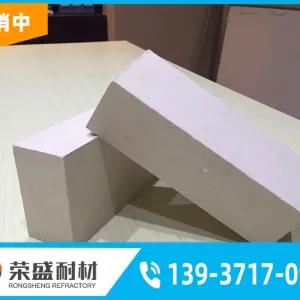
Wear-resistant bricks are specifically designed to withstand severe wear and tear associated with various industrial processes. Their usage can significantly enhance the durability of machinery by preventing premature damage caused by friction, abrasion, and impact.
A study conducted by the International Journal of Industrial Engineering shows that incorporating wear-resistant bricks in equipment design can extend the lifespan of machinery by up to 25%. This enhancement in durability can lead to substantial cost savings, as it reduces the frequency of equipment replacements and maintenance. Furthermore, the use of these bricks minimizes downtime, allowing for smoother operations.
In addition to protecting equipment, wear-resistant bricks contribute to overall operational safety. By minimizing wear, these materials lower the risk of equipment failure, which can pose hazards to workers and surroundings. Enhanced performance is another benefit, as machines operate more efficiently without the hindrance of damage-related issues.
In conclusion, wear-resistant bricks serve a vital function in equipment protection within industrial facilities. Their contribution to durability, cost-efficiency, safety, and performance makes them an indispensable component in modern machinery design. As industries continue to evolve, the adoption of these advanced materials is likely to grow, ensuring a safer and more cost-effective operational environment.


 280
|
280
|
 industrial kiln insulation
thermal insulation materials
high-temperature insulation
energy efficiency
industrial kiln insulation
thermal insulation materials
high-temperature insulation
energy efficiency
 237
|
high-temperature refractory materials
material properties
thermal resistance
industrial applications
237
|
high-temperature refractory materials
material properties
thermal resistance
industrial applications
 142
|
high-temperature coatings
thermal protection solutions
industrial coatings
142
|
high-temperature coatings
thermal protection solutions
industrial coatings
 256
|
refractory materials
shotcrete casting
construction efficiency
256
|
refractory materials
shotcrete casting
construction efficiency
 116
|
melted metal crucibles
American crucibles
metal casting
116
|
melted metal crucibles
American crucibles
metal casting