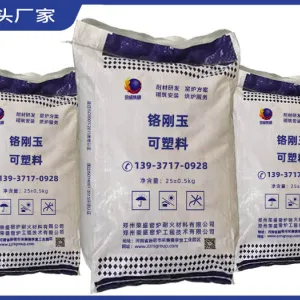
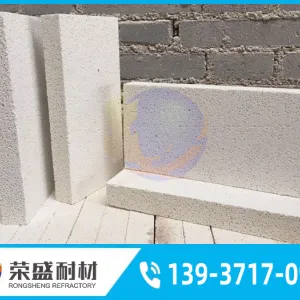
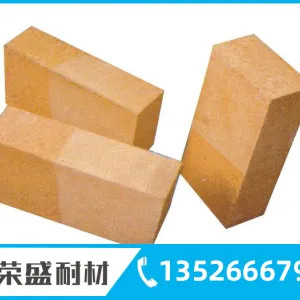
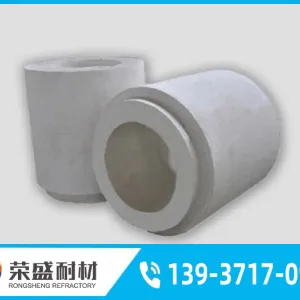
As I delve into the fascinating world of metallurgy, it becomes evident that refractory materials stand as the backbone of innovative metallurgical technologies. These materials, known for their exceptional heat resistance and durability, are essential in various industrial applications.
Refractory materials significantly enhance the performance of metallurgical processes. They facilitate higher operational temperatures, thus improving the efficiency of furnace linings and reducing energy consumption by up to 30% in many cases.
The thermal resistance properties of these materials enable industries to operate in extreme conditions. For instance, advanced ceramics can withstand temperatures exceeding 1600°C, which is critical for processes like steelmaking and glass production.
Additionally, refractory materials contribute to sustainability in metallurgy. With a focused effort on recycling and reusing materials, we can reduce the carbon footprint of various operations. An estimated 40% reduction in waste has been observed through the use of recycled refractory materials.
In conclusion, the significance of refractory materials in emerging metallurgical technologies cannot be overstated. Their role in enhancing performance, providing thermal resistance, and promoting sustainability positions them as fundamental components in the industry's future.
.jpg?x-oss-process=image/resize,h_300,m_lfit/format,webp)
 154
|
154
|
 fire retardants
penetrating fire retardants
efficient fire safety solutions
fire retardants
penetrating fire retardants
efficient fire safety solutions
.jpg?x-oss-process=image/resize,h_300,m_lfit/format,webp) 232
|
high-temperature equipment
thermal efficiency
sectoral clay bricks
232
|
high-temperature equipment
thermal efficiency
sectoral clay bricks
.jpg?x-oss-process=image/resize,h_300,m_lfit/format,webp) 489
|
Refractory Materials
Installation Guide
Heat Resistant
489
|
Refractory Materials
Installation Guide
Heat Resistant
 94
|
heat-resistant coatings
advanced coating technology
94
|
heat-resistant coatings
advanced coating technology
.jpg?x-oss-process=image/resize,h_300,m_lfit/format,webp) 247
|
non-stick aluminum casting materials
foundry technology
casting industry innovations
247
|
non-stick aluminum casting materials
foundry technology
casting industry innovations